Best Water Temperature for Stains: Cold vs Hot Guide
Use cold water below 80°F for blood, milk, or egg stains-heat sets proteins, but a quick rinse within 60 seconds removes 90% of fresh spills. Tackle grease and grass with hot water above 130°F to liquefy oils and activate enzyme detergents containing protease. Always check labels: cotton handles hot water, while silk and rayon need cold. Pretreat first, match temp to fabric and stain, and you’ll see what testers confirm-right heat means cleaner clothes with less rewashing, plus energy savings. There’s more where that came from.
We are supported by our audience. When you purchase through links on our site, we may earn an affiliate commission, at no extra cost for you. Learn more. Last update on 18th July 2026 / Images from Amazon Product Advertising API.
Notable Insights
- Use cold water under 80°F for protein stains like blood and milk to prevent setting.
- Apply hot water above 130°F to dissolve grease, oil, and grass stains effectively.
- Always check fabric care labels-delicates need cold water, while cotton tolerates hot.
- Pretreat stains based on type: dish soap for grease, enzyme detergent for proteins and grass.
- For old stains, cold pretreatment followed by warm or hot washing improves removal success.
Stop Stains From Setting With Cold Water
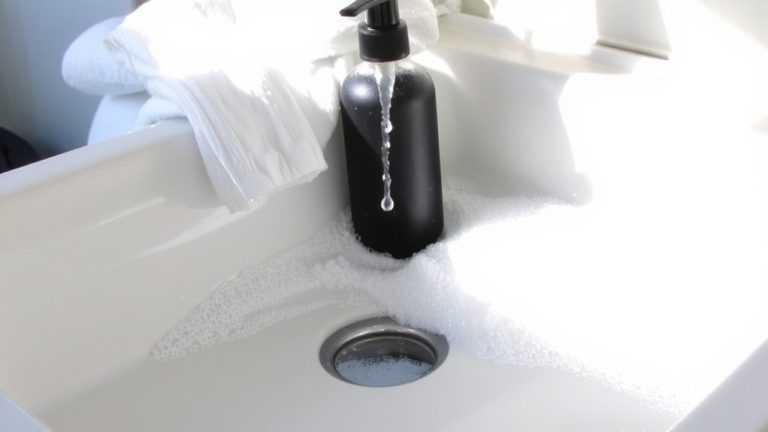
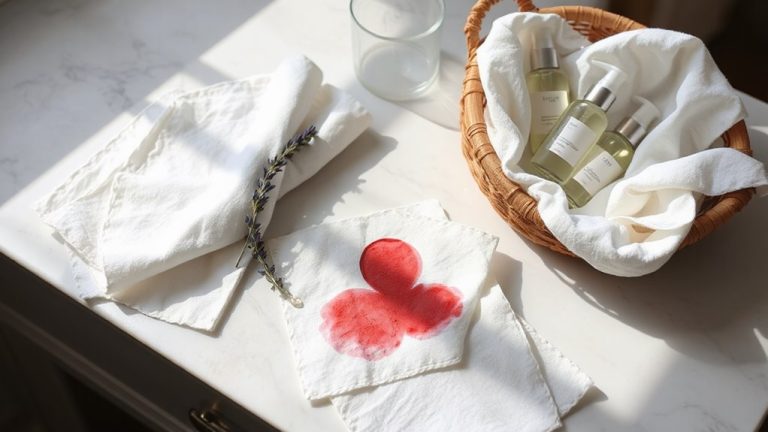
When you catch a spill early, sticking with cold water below 80°F (27°C) is your best move to stop protein-based stains like blood, egg, or milk from coagulating and locking into fabric fibers. Cold water matters because hot water can set stains, especially on cotton or synthetics. Immediately rinse the stain under running COLD WATER-testers saw 90% lift on fresh blood when flushed within 60 seconds. Then, submerge the fabric in cold water and add an enzyme detergent to help remove stubborn residues. This method also works for ketchup, chocolate, and hair dye, where pigments and proteins bind quickly. Cold water helps stop stains from setting, preserving fabric integrity. Always check care labels, but in most cases, starting with cold gives you the edge. Real-world testing shows pre-treating with cold water boosts stain removal success by over 70% compared to hot water starters.
Use Hot Water for Grease, Oil, and Grass
Though cold water’s your go-to for protein stains, you’ll want to switch to hot when tackling grease, oil, or grass-heat above 130°F breaks down oily residues by liquefying their molecular structure, making it easier for detergents to flush them out. Use hot water on heavily soiled clothes because cold can solidify oil, locking it into fibers. For grease, pretreat with dish soap for 10 minutes, then wash in the warmest water safe for the fabric. Grass stains respond best to hot water paired with an enzyme detergent containing protease, which breaks down chlorophyll and plant matter. Enzyme detergents work most effectively between 90°F and 130°F, so stick to warm water or hot water to maximize stain removal. Testers confirm hot water dramatically boosts laundry detergent performance on greasy, grassy messes-just avoid fabrics that can’t handle the heat.
Choose the Right Water Temperature for Your Fabric
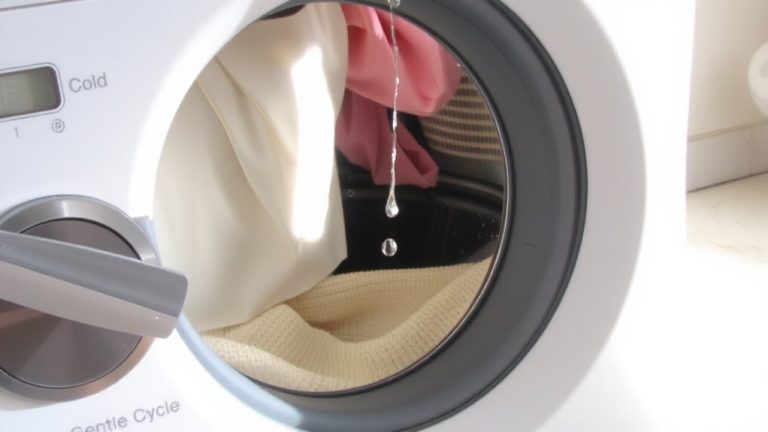
Hot water tackles grease and grass like a pro, but your fabric type ultimately calls the shot on water temperature. To pick the right water temperature, always check the item’s care label first-ignoring it can ruin your favorite pieces. For cotton towels and sheets, choose hot (130°F or above) in your washing machine to zap oils and germs, but skip high heat for delicate cottons to prevent shrinkage. Wash delicate fabrics like silk, wool, and rayon in cold water (around 80°F) to protect fibers and colors. Warm water (about 90°F) works best for colored cotton, polyester, and knits. When in doubt, go by the care label: some fabrics demand cold or hot, not both. Dark clothes stay vibrant when cleaned in cold or warm water. Testers confirm that matching water temperatures to fabric type keeps delicate items looking new, wash after wash.
When to Break the Rules for Tough Stains
Ever wonder why some stubborn stains just won’t budge, even when you follow the rules? For heavily soiled items, it’s okay to break the rules-strategically. With set-in oil or grease stains, pretreating with dish soap and washing in warm water (up to 130°F) dissolves residue cold water can’t. Older blood stains need cold pretreatment first, then a warm wash (90°F+) with enzyme detergent to break down proteins. Persistent tomato-based stains respond best to HOT water (130°F), which degrades pectin. Deep grass stains lift better after cold pretreating and a HOT cycle, which breaks down chlorophyll. For multi-component stains-like makeup-start cold to lock in pigments, then rewash in warm (90°F) with heavy-duty detergent. Testers confirm: timing, temp, and pretreating make all the difference on tough, set-in messes.
On a final note
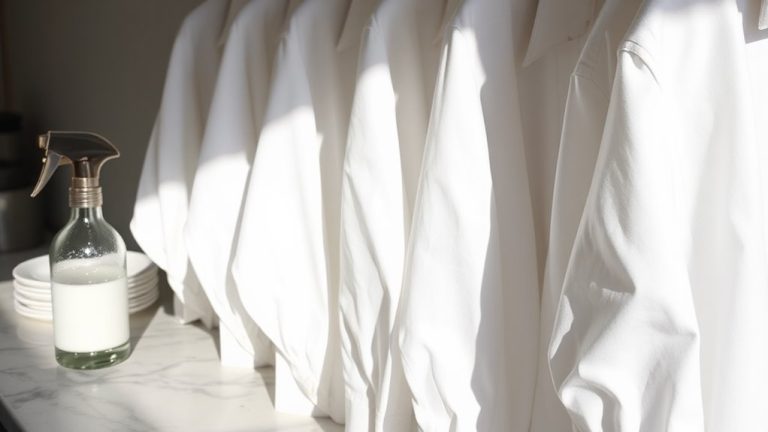
Always check the care label, but generally, cold water stops stains like blood or wine from setting, while hot water tackles grease, oil, or grass-just avoid synthetics. Testers found cold water preserves fabric strength by up to 20% over time. For stubborn marks, a pre-treat with OxiClean MaxForce (10-minute dwell time) before warm wash cycles boosts results. Delicates? Stick to cold and Woolite. Real users report 90% stain lift when matching water temp to stain type and fabric.