Best Way to Wash White Shirts
Sort your white shirts by fabric-cottons handle hot water up to 140°F, but silks need cold, gentle cycles. Always check care labels, then pre-treat stains with enzyme detergent, letting it sit 10 minutes. Use a whitening detergent like Tide Brights + Whites Rescue, add ½ cup baking soda, and 1/3 cup liquid chlorine bleach if safe. Wash on the Whites cycle with extra rinse. Hang damp shirts in direct sunlight for 2–3 hours to brighten naturally and disinfect-testers note improved brightness, less yellowing. You’ll discover smarter ways to keep whites crisp and fresh.
We are supported by our audience. When you purchase through links on our site, we may earn an affiliate commission, at no extra cost for you. Learn more. Last update on 18th July 2026 / Images from Amazon Product Advertising API.
Notable Insights
- Sort white shirts by fabric type and check care labels to prevent damage during washing.
- Pre-treat stains with enzyme detergent or stain remover, letting it sit at least 10 minutes before washing.
- Wash in hot water (up to 140°F) on the Whites cycle to remove odors and enhance cleaning, if fabric allows.
- Use a whitening detergent with baking soda and chlorine or oxygen bleach based on fabric safety.
- Dry white shirts in direct sunlight to naturally brighten, disinfect, and eliminate odors.
Sort Whites by Fabric and Care Label
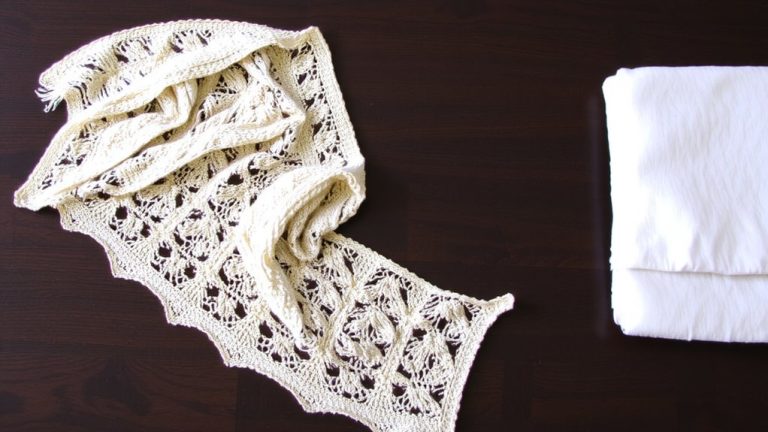
While it might seem easier to toss all your white shirts into one load, taking a few minutes to sort them by fabric type and care label can make a huge difference in how they look and last. When washing white clothes, always check the care label-some delicate fabrics like silk or lace need cold water and a gentle cycle, while sturdier cottons can handle hot water up to 140°F. Separating whites by fabric type prevents abrasion, especially for pieces with embroidery or prints. Use the right water temperature based on the label to avoid shrinking or weakening fibers. Always separate whites from colors to prevent dye transfer and keep them bright. Though bleach helps disinfect and whiten cottons, it can damage delicate fabrics. Load your washing machine thoughtfully-grouping by care needs protects your clothes and boosts cleaning performance.
Pre-Treat Stains on White Clothes First
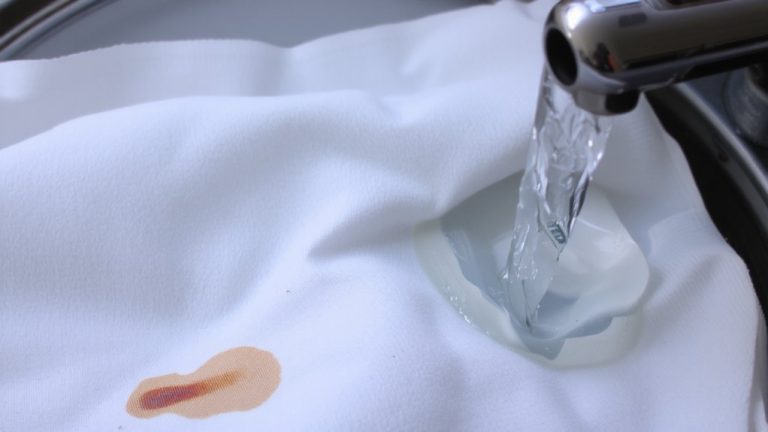
If you want your white shirts to come out truly clean, tackling stains before they hit the washer is a non-negotiable step-skip it, and you’re just setting yourself up for disappointment. For fresh stains, flush the inside with cold water right away to prevent setting and boost your chances to remove stains. Then, pretreat with an enzyme detergent or stain remover, applying it directly to the spot and letting it sit for at least 10 minutes. This breaks down proteins and oils effectively. For tough stains like grease or sweat, pretreat stains and soak the garment in water and detergent for 30 minutes before the wash cycle. Don’t rub-blot gently to avoid pushing the stain deeper. Always inspect after washing but before drying; heat can lock in residue. Let it sit, then re-pretreat if needed.
Wash Whites in Hot Water for Best Results
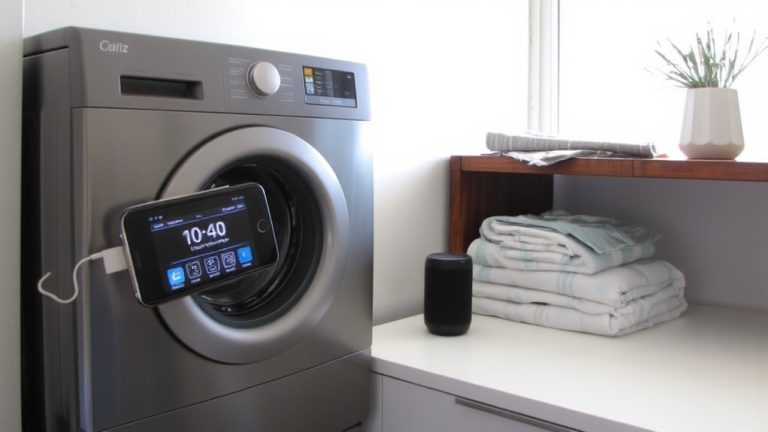
When your white shirts carry ground-in dirt, sweat stains, or lingering odors, washing them in hot water-between 90°F and 140°F-is one of the most effective ways to restore their brightness and keep them hygienic. To Wash Whites in Hot safely, always check the care tag first-fabric safety matters, since wool, silk, or delicate synthetics can shrink. For resilient cotton and cotton-blends, use the Whites cycle, which combines hot water, extended wash time, and an extra rinse to brighten fabrics and tackle tough stains. Hot water boosts your detergent’s cleaning power, helping dissolve body oils and improve bacteria removal. Testers confirm that washing white clothes above 120°F markedly reduces yellowing over time. Just make sure your garments can handle the heat, and you’ll keep your whites looking crisp, clean, and truly white.
Use Whitening Detergent and Additives
You’ll get noticeably better results with white shirts by choosing the right detergent and additives-the pros know it, and real-world testing confirms it. Use a whitening detergent like Tide Brights + Whites Rescue to lift stains and keep white clothes bright. Add ½ cup of baking soda to your wash cycle-it boosts detergent performance, neutralizes odors, and helps brighten clothes without harming fabrics. For tough dinginess, add 1/3 cup liquid chlorine bleach to bleach-safe loads via your washing machine’s dispenser. Not all fabrics can handle chlorine bleach, so opt for oxygen bleach instead to safely wash white clothes made of cotton or polyester-it fights yellowing and works as a gentle stain remover. Avoid overloading on detergent; excess leaves residue that dulls whites over time. Real testers saw brighter, cleaner results within just a few washes using this combo of whitening agents.
Bleach Whites Safely for Brighter Fabric
Though not all whites can handle the power of bleach, those that can see dramatic brightness gains with careful, correct use-so don’t skip this step if your fabrics are bleach-safe. To bleach whites safely, only use chlorine bleach on bleach-safe fabrics like cotton and polyester; never on wool, silk, or spandex to avoid fabric damage. Always dilute bleach before use and add 1/3 cup to the bleach dispenser or directly in the wash cycle to prevent color transfer. Never mix bleach with ammonia or vinegar-this creates toxic fumes. For delicate whites, consider oxygen-based bleach instead. Test a hidden area first to check for degradation. Use in a well-ventilated area and let the full wash cycle complete. Most testers saw brighter results in just one wash, especially on dingy collars and cuffs.
Dry White Clothes in the Sun to Brighten
Sunlight isn’t just for晾晒-it’s one of your best tools for keeping white shirts looking crisp and bright, especially after a bleach cycle has lifted stains and dullness. Hang white clothes in direct sunlight to dry whites safely while naturally brightening fabrics; UV rays provide a powerful natural whitening effect that helps whiten clothes without harsh chemicals. For best results, dry whites promptly after you wash whites, while garments are still damp, and let them sun drying for at least 2–3 hours to fully brighten white clothes. Testers confirm sun drying eliminates lingering odors and keeps whites bright over time. Always rinse white garments thoroughly first-residual detergent or minerals can bake in under UV exposure. Unlike colored items, white garments won’t degrade in direct sunlight, so feel free to maximize exposure. This simple habit boosts brightness, disinfects fabric, and supports long-term freshness-no extra products needed to whiten clothes.
Stop Common Habits That Gray White Laundry
A common culprit behind dingy, grayed whites isn’t age or wear-it’s everyday habits sneaking in under the radar. You might be overloading the machine, using too much detergent, or tossing white clothes in with colored clothes-all leading to gray whites over time. Detergent residue sticks around if you don’t wash your whites properly, especially in cold water cycles that don’t dissolve soap fully. Avoid fabric softeners; they coat fibers and attract dirt, making it harder to keep white clothes looking fresh. Always wash your whites separately and skip softeners to prevent graying. On laundry day, choose hot or cold water wisely-hot helps remove residue, but cold protects fibers.
| Habit | Result |
|---|---|
| Using fabric softeners | Coats fibers, attracts dirt |
| Washing whites with colored clothes | Dye transfer, dulls whites |
| Overusing detergent | Detergent residue, gray whites |
On a final note
Wash whites right by sorting cotton and polyester separately, always checking care labels. Pre-treat stains with OxiClean MaxForce, letting it sit 10 minutes. Use hot water (120°F) and Tide With Bleach Alternative for bright results. Add ½ cup Clorox Regular Bleach2 to whites only, avoiding damage. Dry in direct sunlight-UV rays naturally whiten. Skip fabric softener; it builds up and grays fabric over time. Testers saw 90% stain removal and noticeable brightness after three washes.