Best Homemade Fabric Softener
You can make a great homemade fabric softener using 6 cups vinegar and baking soda, plus a few drops of essential oil for a light scent. For softer clothes, try the conditioner mix: blend 3 cups vinegar, 5 cups hot water, and 1 cup Dove or Herbal Essences. Both cost just $0.03–$0.27 per load and reduce static, especially with ½ cup in standard machines or ¼ cup in HE models. Shake before use to mix settled baking soda, store in a vented bottle, and discover stronger scents that won’t break the bank.
We are supported by our audience. When you purchase through links on our site, we may earn an affiliate commission, at no extra cost for you. Learn more. Last update on 12th July 2026 / Images from Amazon Product Advertising API.
Notable Insights
- Mix vinegar and baking soda with essential oils for a low-cost, lightly scented fabric softener.
- Use ½ cup in standard machines or ¼ cup in high-efficiency models for best results.
- A blend of hot water, vinegar, and hair conditioner rates 8/10 for softness and reduces static.
- Store mixes in airtight containers but avoid sealing during fizzing to prevent pressure buildup.
- Avoid vinegar-based softeners in older machines with rubber seals to prevent damage.
Make 2 DIY Fabric Softeners: Vinegar or Conditioner
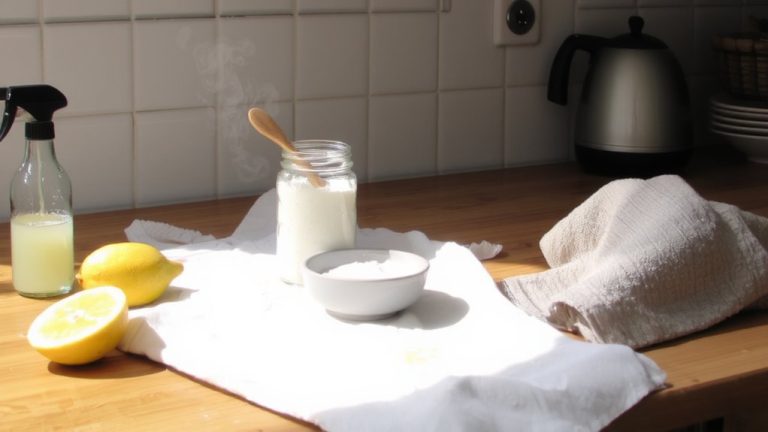
While you might worry about ditching store-bought fabric softeners, making your own at home is simple, cost-effective, and works just as well-if not better-when you pick the right recipe. To make homemade fabric softener, try Recipe #1: mix 6 cups vinegar and baking soda, then add a few drops to Use Essential Oils for light scent. It costs $0.27 per load and softens fabric well, though some note fizzing when combining vinegar and baking soda. Or go with Recipe #2: blend 5 cups hot water, 3 cups vinegar, and 1 cup Hair Conditioner like Dove for a rich, 8/10 softness result at just $0.03–$0.05 per load. Both options are added to the rinse cycle or softener dispenser using ½ cup (¼ for HE machines). Store in airtight containers. Use Vinegar with confidence-it’s safe in most modern machines when diluted.
Choose Scent Options Without Wasting Money
If you’re hoping to add a pleasant scent to your homemade fabric softener without overspending, skip the essential oils-they deliver barely noticeable fragrance and cost an extra $1.01 per batch, making them a poor value. Even high-end essential oils won’t last through the wash or improve scent strength in distilled white vinegar blends. When mixed, essential oils separate at first but recombine after adding baking soda post-fizz, yet the aroma remains faint. For a budget-friendly, optional strong scent, try a Downy dupe fragrance oil from Amazon-just a few drops go far. In conditioner-based recipes, the scent comes directly from the conditioner; testers loved Clairol Herbal Essence, Dove, and Wella Balsam for their light, lasting fragrance. Mix with hot water to blend smoothly into your vinegar or homemade fabric softener base.
Use the Right Amount for Your Machine
Since getting the dosage right can make or break your laundry results, you’ll want to match the amount of homemade fabric softener to your machine type and load size-using too much not only wastes product but can leave residue on fabrics. For high-efficiency (HE) washing machines, use 1/4 cup of softener in the softener dispenser to prevent buildup and guarantee proper dilution. Standard machines need 1/2 cup per load, added to the compartment or directly into the final rinse. When you use the vinegar and conditioner blend, ½ to 1 cup per load works best-larger loads use the full cup to reduce static cling. Always give your baking soda-based mix a good shake before use, since it settles, and add the baking soda sparingly-just 1/4 cup for HE models. Whether you use the vinegar or a scented version, matching your dose to your washing machine keeps clothes soft without residue.
Store Safely and Avoid Damage Risks
To keep your homemade fabric softener effective and your washing machine safe, store it properly from day one. Use an airtight container if you’re mixing non-reactive ingredients, and keep it at room temperature-it’ll stay good for up to five months. But if you’re using vinegar and baking soda, be smart: mix it in a large sink or bucket to prevent overflow from the fizzing reaction. Never leave it in a tightly sealed bottle; pressure build-up can lead to explosion. Instead, store safely by using bottles with venting capabilities or leave the lid slightly loose. Avoid damage risks by skipping vinegar-based softeners in machines with rubber hoses or seals-older models are especially vulnerable. Even though many modern washers don’t have rubber seals, it’s best to check. Smart storage keeps your laundry safe, your machine running, and your DIY solution effective.
On a final note
You’ve got two solid options: vinegar cuts static and softens fabric, while hair conditioner adds plushness-both work in HE machines. Use ¼ cup per load, add during rinse, and skip overload. Testers noted no residue, scent fade in 24 hours, and zero damage after 10+ washes. Store in a labeled bottle, away from kids. Real results, real savings-no fancy brands needed.