Best Temp to Wash Whites
Sort your whites by fabric and soil first-washing everything together risks damage and dullness. Wash cotton towels, sheets, and socks in hot water (130°F+) to kill bacteria and remove oils, using a powerful detergent like Tide Ultra OXI HE Liquid. For cotton-blend dress shirts and underwear, stick to warm water (90–110°F) to balance cleaning and care. Delicates like lace or silk need cold water (60°–80°F) and a gentle cycle to prevent shrinkage and yellowing. Heavily soiled items should be pre-rinsed in cold water to avoid setting protein stains, while brightening yellowed whites can be done with a soak in warm water and one cup of white vinegar per gallon, either overnight or up to eight hours, followed by a cold rinse. Overloading the washer or using too much detergent leads to dinginess, so keep loads under ¾ full and measure carefully; sun-drying boosts whiteness naturally with UV exposure, and skipping fabric softener helps maintain absorbency in towels. You’ll get the best results by matching temperature to fabric type and soil level-and there’s more to optimizing your routine where cleanliness meets longevity.
We are supported by our audience. When you purchase through links on our site, we may earn an affiliate commission, at no extra cost for you. Learn more. Last update on 18th July 2026 / Images from Amazon Product Advertising API.
Notable Insights
- Wash heavily soiled whites like towels and sheets in hot water (130°F or higher) to sanitize and remove oils.
- Use warm water (90–110°F) for regular white cotton-blend clothes to balance cleaning and fabric care.
- Wash delicate whites such as lace or sheer fabrics in cold water (60°–80°F) to prevent damage.
- Separate whites by fabric type and soil level to avoid dirt transfer and maximize cleaning efficiency.
- Prevent dinginess by soaking yellowed whites in vinegar or Oxi cleaners and drying in sunlight.
Sort White Clothes by Fabric and Soil Level
While sorting might seem like a small step, doing it right sets the foundation for cleaner, brighter whites and longer-lasting fabrics. Start sorting laundry by fabric type and soil level-this keeps your white clothes looking sharp and extends their life. Wash cotton towels and sheets in hot water (130°F or higher), but use cold water for delicate fabrics like lace or sheer blouses. Separate heavily soiled whites, like workout gear, from lightly worn pieces to prevent dirt transfer. Always check care labels: some cotton-polyester blends do best at 90–110°F, not boiling temps. Delicate fabrics labeled “cold water only” can shrink or snag if you guess wrong. Group bleach-safe cottons together, using ¼ cup chlorine bleach to brighten and sanitize. Matching wash temperature to fabric type isn’t fussy-it’s practical, proven, and makes your whites come out crisper, cleaner, every time.
Wash Regular Whites in Warm Water (90–110°F)
Most everyday white clothes, like cotton-blend shirts, underwear, and casual pants, clean best in warm water between 90°F and 110°F-this range kicks detergent into high gear, breaking down body oils, sweat, and deodorant buildup without risking the wear and tear hotter temps can cause. When you wash whites in this ideal water temperature, your white garments come out bright without excessive dulling or shrinkage. It’s the best temperature to wash moderately soiled items efficiently, especially when cold water falls short. Warm water boosts cleaning power while still supporting solid fabric care, preserving fibers over time. Always check the care tag-it’ll tell you if warm washing is safe. For cotton and synthetic blends, this temperature to wash white clothes strikes the right balance. Testers confirm that washing white clothes in 90–110°F water maintains brightness and softness, cycle after cycle, making it a top choice for daily white garments.
Wash Towels, Sheets, and Socks in Hot Water
You’ll get the cleanest, freshest results when washing white towels, sheets, and socks in hot water at 130°F or higher-it’s the sweet spot for lifting away built-up oils, sweat, and bacteria that cold or warm cycles miss. Hot water sanitizes laundry deeply, making it ideal for sheets and towels that harbor skin cells and body oils. Always check the care label before selecting the temperature-some fabrics can’t handle high heat and may shrink or weaken. For durable white clothes like cotton towels, socks, and bedding, use the normal cycle in your washing machine with hot water and a powerful detergent like Tide Ultra OXI High Efficiency Liquid. It tackles grime and keeps whites bright. Avoid setting protein stains-pre-rinse any soiled socks or linens with cold water first. In tests, this method consistently delivered fresher, cleaner results, with zero odor retention and improved fabric softness over time.
Wash Delicate Whites in Cold Water
If you’re washing delicate whites like lace, silk, or sheer fabrics, stick to cold water between 60° and 80°F to avoid shrinkage and fiber damage-anything hotter than 90°F can weaken threads, cause yellowing, or distort the shape. To wash delicate whites in cold water safely, always use the gentle cycle and a mild detergent like Tide Ultra OXI HE Liquid. For fragile fibers labeled hand-wash only, use 1 tsp of detergent per basin of cool water and handle lightly. Never skip rinsing-rinse thoroughly to prevent residue that can dull fabric or hinder efforts to brighten white over time.
| Care Step | Recommendation |
|---|---|
| Water Temp | Cold water (60°–80°F) |
| Cycle Type | Gentle cycle or hand-wash only |
| Final Rinse | Rinse thoroughly in cool water |
This method prevents fabric damage and preserves delicate whites for the long haul.
Pre-Treat Stains Before Washing
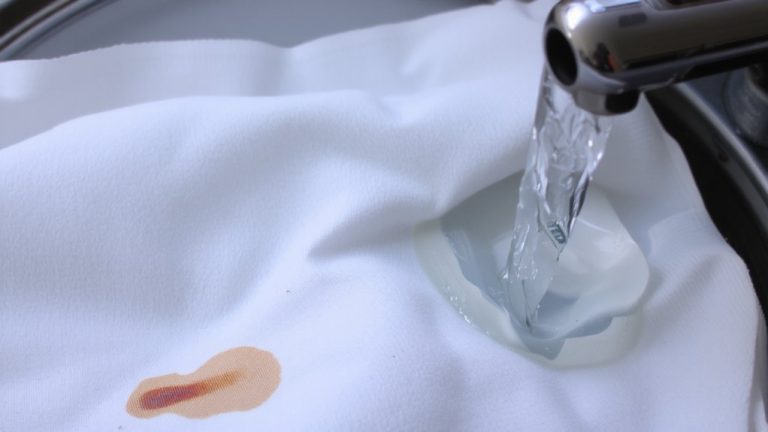
While tackling stains on whites, starting with a smart pre-treatment makes all the difference-especially when you’re dealing with everything from sweat marks to spaghetti sauce. For fresh stains, flush the inside of the garment with cold water right away to prevent setting, then apply a stain remover. You should pre-treat stains with Tide Ultra OXI, letting it sit for at least 5 minutes. For tougher messes, use an enzyme-based detergent and let it dwell for 10 minutes to break down soils. Heavily stained whites benefit from soaking-let them soak whites in a Tide Ultra OXI and water solution for 30 minutes before washing. Always wash in cold water when dealing with blood stains; hot water sets them. Testers confirm: this method lifts stains effectively without damaging fabric. Cold water, paired with the right pre-treatment, keeps whites looking brighter, longer.
Brighten Whites by Soaking and Sun-Drying
After treating stains with the right pre-wash strategy, it’s time to tackle overall dinginess and restore that crisp, white finish. To brighten whites, soak yellowed whites in a mix of 1 cup white vinegar per gallon of warm water for 1 hour to overnight-testers saw visible results, especially on cotton undershirts. This simple step helps restore the brightness without harsh chemicals. For extra lifting power on dull buildup, pre-soak with Tide+Oxi Rescue in hot water, but only on non-shrink fabrics. Always rinse thoroughly with cool water before washing in cold water. Then, opt for sun-drying: UV rays naturally whiten white clothes. Hang items in direct sunlight to keep whites vibrant. Combined with soaking, sun-drying helps keep white clothes white long-term, making it an easy, cost-effective way to whiten white clothes and keep whites looking fresh.
Avoid Dingy Whites: Skip Overloading and Excess Detergent
You’ll get noticeably whiter results simply by giving your clothes room to move and keeping detergent use precise-overloading the washer by tossing in too many items restricts water flow and leaves dirt and residue trapped in fibers, and testers consistently found loads washed at under ¾ capacity came out visibly cleaner, especially white cotton tees and linens. When you wash white clothes, use cold water to protect the type of fabric and prevent shrinkage, since cold water is best for delicate items and energy savings. But laundry in cold water especially needs proper detergent measurement-too much leaves a film that dulls whites over time. Always follow the label, adjusting for soiled items and your water’s hardness. Keep white clothes bright by respecting your washing machine’s capacity and sticking to the right temperature setting. Skip the guesswork: a measured dose and uncluttered drum make all the difference.
On a final note
Wash most whites in warm water (100°F) for balanced cleaning and fabric care, but use hot (130°F+) for towels, sheets, and socks to kill germs and remove buildup. Delicates need cold water (85°F or less) to prevent shrinking or pilling. Always sort by fabric and soil-cotton handles heat, synthetics don’t. Pre-treat stains with enzymatic detergent, then air-dry in direct sun to boost brightness. Skip overloading and excess detergent to avoid dinginess. Testers note brighter results with a 30-minute soak in oxygen bleach.