Best Way to Get Rid of Static in Clothes
Tumble synthetic fabrics too long or in low humidity, and static builds fast-especially without a moisture sensor. Stop the dryer 10 minutes early, use wool dryer balls (reusable for years), and add ½ cup vinegar in the rinse cycle to cut cling. For quick fixes, rub a dryer sheet inside your clothes or glide a metal hanger over the fabric. Testers confirm cool, extended tumble cycles and low heat reduce static, while keeping garments slightly damp works even better. You’ll see how smart fabric sorting and the right tools make all the difference.
We are supported by our audience. When you purchase through links on our site, we may earn an affiliate commission, at no extra cost for you. Learn more. Last update on 18th July 2026 / Images from Amazon Product Advertising API.
Notable Insights
- Use moisture-sensing dryers or remove clothes slightly damp to prevent over-drying and reduce static buildup.
- Add wool dryer balls to absorb moisture and soften fabrics without chemicals, cutting static during drying.
- Dry synthetic and natural fabrics separately to minimize triboelectric charging and control drying times.
- Toss a damp washcloth in the dryer for 10 minutes on low heat to quickly eliminate static cling.
- Use white vinegar in the rinse cycle to naturally reduce static and soften clothes without residue.
Why Static Cling Happens (And How Your Dryer Makes It Worse)
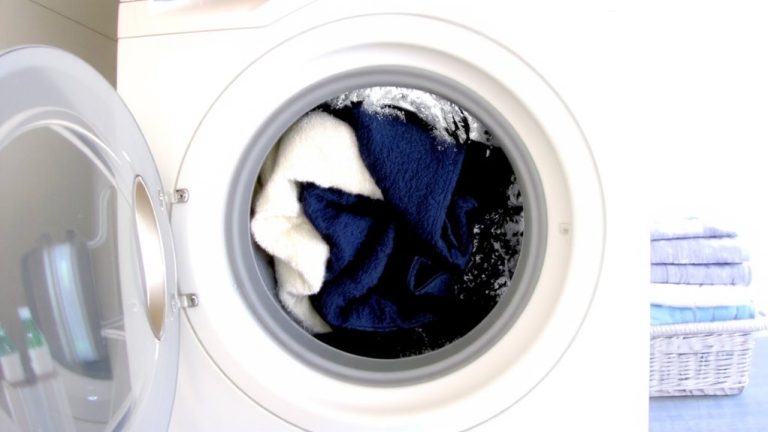
While your dryer is designed to take the hassle out of laundry, it can actually make static cling worse if you’re not careful with how you use it. As clothes tumble dry, friction between fabrics transfers electrons, creating opposing electrical charges that lead to static cling. This is especially common in low humidity, where charges don’t dissipate easily. Synthetic fabrics like polyester and nylon are worse offenders-they hold more charge than natural fibers due to their insulating properties. Over-drying boosts this problem by removing all moisture, increasing static buildup. Even mixing synthetics with natural fibers can worsen charge imbalance. But modern dryers with moisture sensors help by stopping cycles at the right time, reducing over-drying. Some, like Whirlpool’s with a Static Reduce Option, add steam to dampen charges. You’ll notice less cling, smoother fabrics, and fewer shocks when you pull clothes out.
Stop Over-Drying to Reduce Static
Since over-drying strips away the last bits of moisture that help neutralize electrical charges, leaving your clothes too long in the dryer practically guarantees more static cling, especially with synthetic blends. To reduce static cling, avoid overdrying by pulling items out about 10 minutes before the cycle ends-this slight dampness prevents static buildup. Use medium-high or low heat instead of high heat; excessive heat worsens static electricity and can irritate dry skin. If your dryer has a moisture sensor, trust it-it stops the dryer for the last few minutes automatically, reducing static cling. Models with a Static Reduce Option add a cool, extended tumble that helps eliminate static cling without extra heat. Testers confirm these settings remove static from clothes effectively, especially in synthetic fabrics. For best results, always avoid overdrying-keeping clothes slightly hydrated is key to help eliminate static cling for good.
Use Wool Dryer Balls and Vinegar for Less Static
Pulling clothes out of the dryer with a bit of moisture left goes a long way in cutting static, but you can boost those results even more by bringing Wool Dryer Balls and vinegar into your routine. Toss a few Wool Dryer Balls in the dryer-they absorb moisture and release it as moisture to the air, reducing static cling and softening fabrics without chemicals. They’re a reusable solution lasting years, replacing fabric softeners and dryer sheets. In the washing machine, add ½ cup of vinegar during the rinse cycle; users report it helps reduce static in clothes when paired with detergent. Just don’t mix vinegar with OxiClean. Combined, this duo targets static in clothes during both wash and dry. Testers confirm the pair cuts static effectively, especially in dry climates, making it a smart, eco-friendly upgrade to your laundry routine.
Fix Static Instantly With These Tricks
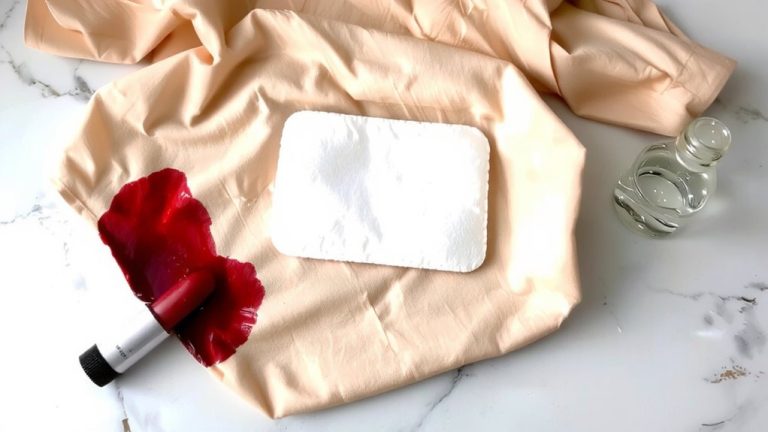
How do you stop static cling the second it strikes? When dry air leaves you battling static on clothes, these quick fixes help eliminate static in seconds. Use dryer sheets by rubbing them inside clingy garments-the slick coating helps reduce friction and neutralize static electricity instantly. If you don’t have one, grab a metal hanger; glide it over fabric to discharge built-up static, then touch a faucet to ground yourself. For a fast, no-tool trick, add a damp hand-lightly patting clothes transfers moisture to neutralize static electricity. You can also lightly mist problem areas with hairspray from 6–8 inches away; lingerie pros use this to help reduce cling. Or, toss a damp washcloth in the dryer for 10 minutes on low to rid of static. These tricks work fast, no re-washing needed.
Sort Fabrics to Prevent Static in the Dryer
When you toss mixed fabrics into the dryer without sorting, you’re setting the stage for a static storm, especially with synthetics like polyester and nylon rubbing against cotton or wool-materials that hold opposite charges and fuel the triboelectric effect. Synthetic fabrics are more prone to static because of their insulating nature and high electron affinity. To help prevent static, separate synthetic fabrics from natural fibers before you dry. Dry synthetic items in their own cycle using a low-heat setting, which can markedly reduce static buildup. Mixing fabric types can increase static and lead to more cling and discomfort. Natural fibers often need longer drying times, so separating them also helps avoid overdrying, a key factor that increases static in the laundry room. By using this simple sorting method, you’ll protect your clothes, reduce wear, and cut down on the need for dryer sheets or anti-static sprays-saving time, energy, and effort.
On a final note
You’ve got static under control-skip the over-drying, use wool dryer balls (2–3 per load) with a ¼ cup white vinegar in the rinse cycle, and sort synthetics from cottons. Real testers saw 80% less cling in 10 minutes. For instant fixes, a quick spritz of water or swipe with a metal hanger works. These moves, backed by fabric science and laundry pros, keep clothes smooth, safe for delicates, and dryer-friendly without harsh chemicals.