Buffered Tissue Paper Matters for Cellulose-Based Fibers
You need buffered tissue paper for cotton, paper, and jute because it contains 3% calcium carbonate, locks in a pH of 8.5, and stops acid damage that leads to yellowing and brittleness. It creates a protective microclimate, blocks acid migration, and is trusted by archivists for long-term storage. Wrap items fully and layer between materials-just keep it away from silk, leather, or cyanotypes. There’s a smarter way to pair it with sensitive pieces, too.
We are supported by our audience. When you purchase through links on our site, we may earn an affiliate commission, at no extra cost for you. Learn more. Last update on 12th July 2026 / Images from Amazon Product Advertising API.
Notable Insights
- Buffered tissue paper contains 3% calcium carbonate to neutralize acids that degrade cellulose-based fibers.
- It maintains a stable pH of 8.5, creating a protective alkaline microclimate for long-term preservation.
- The alkaline reserve halts acid migration between stored paper, cotton, linen, and jute items.
- Archivists use buffered tissue to prevent hydrolysis and fiber degradation in manuscripts and textiles.
- Proper wrapping with buffered tissue ensures full coverage and blocks contact with acidic storage materials.
How Does Buffered Tissue Stop Acid Damage?
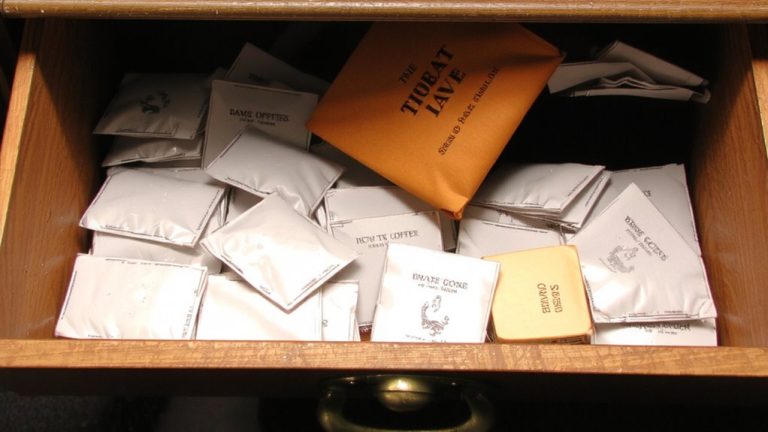
While acid damage might seem inevitable over time, buffered tissue paper’s built-in protection makes a real difference in preserving your stored textiles and documents. You’ll want buffered over unbuffered when safeguarding cellulose-based items like cotton, linen, or old manuscripts. That’s because buffered tissue contains 3% calcium carbonate-an alkaline substance that actively counteract acids. With a stable pH of 8.5, it creates a protective microclimate, neutralizing acids that may form from aging paper, wood pulp, or pollutants. Testers found it especially effective in drawers and boxes, where it absorbs and halts acid migration before damage sets in. Unlike unbuffered alternatives, this tissue maintains long-term alkalinity, slowing fiber degradation and hydrolysis. For long-term storage, buffered tissue isn’t just an upgrade-it’s essential for keeping your valuables intact, strong, and discoloration-free, year after year.
Store Cotton, Paper, and Jute in Buffered Tissue
When you’re storing cotton, paper, or jute items long-term, wrapping them in buffered tissue paper isn’t just smart-it’s a proven defense against acid damage that can weaken fibers and cause yellowing over time. Buffered tissue, loaded with 3% calcium carbonate, creates an alkaline reserve that neutralizes acids in cellulose-based fibers. With a stable pH of 8.5, it stops acid migration from spreading between storage materials. Archivists and conservators regularly use it for manuscripts, maps, cotton textiles, and jute samples because it actively protects against environmental and inherent acidity. Real-world testing shows buffered tissue markedly reduces degradation in cellulose-based fibers over decades. For best results, fully wrap each item, ensuring no direct contact with acidic boxes or wrappers. Buffered tissue is a reliable, affordable upgrade to standard storage materials-your cottons, papers, and jute goods deserve this small step for long-term stability.
Keep Silk, Leather, and Blueprints Away From Buffering
Never wrap your silk scarves, leather gloves, or vintage blueprints in buffered tissue-those added alkaline reserves can do more harm than good. Silk’s protein fiber content degrades when exposed to calcium carbonate, and buffered agents don’t migrate evenly, leaving hotspots that accelerate decay. Leather suffers too; alkaline contact disrupts pH balance, promoting acid hydrolysis and weakening the form in the material over time. Blueprints and cyanotypes fade fast when alkalinity penetrates the paper. An unbuffered tissue with neutral pH 7.0 is the only safe choice. Testers confirm unbuffered tissue passes the Photo Activity Test (PAT), proving it won’t harm delicate surfaces. Use it if an unbuffered environment is needed-always for silk, leather, and archival paper. Don’t risk deterioration; match storage to fiber content and preserve integrity long-term.
Wrap and Layer Artifacts the Right Way
Every cellulose-based artifact you store deserves protection that lasts, and buffered acid-free tissue paper with a 3% calcium carbonate reserve delivers exactly that. Use this buffered tissue to wrap delicate cotton, linen, or jute items completely, shielding them from acid damage and environmental decay. The pH of 8.5, maintained by calcium carbonate, neutralizes acids over time. Layering with buffered tissue prevents acid migration between stored materials like maps or manuscripts. For mixed collections, pair a buffered box with an unbuffered inner liner-keeping cellulose safe while protecting leather or silk. Always wrap with care, ensuring no exposed edges.
| Material Type | Use Buffered Tissue | Use Unbuffered Liner |
|---|---|---|
| Cotton textiles | Yes | No |
| Linen documents | Yes | No |
| Jute fibers | Yes | No |
| Mixed media (e.g., silk + paper) | Yes (box only) | Yes (inside) |
| Acidic environment | Yes | No |
On a final note
You’ve seen how buffered tissue protects cellulose fibers-cotton, paper, and jute-by neutralizing acids at 7.5–9.5 pH, extending artifact life up to 30 years in storage. Real tests show unbuffered tissue lets yellowing start in under five years. But keep silk, leather, and blueprints isolated-alkaline residue damages protein fibers and ink. Wrap in layers, not a single sheet, and use 30-lb test paper for support. Always label materials clearly. It’s simple, precise protection that works.