Do Biodegradable Detergents Leave Residues That Attract Fabric Soiling?
Yes, even biodegradable detergents can leave residues-up to 12.3 ppm of non-ionic surfactants like C12–15 Alc Ethoxylate-that resist cold-water rinsing and attract 40% more soil in a week, especially in low-water HE machines. PEG thickeners and alkaline builders worsen re-soiling with sticky, hydrophilic films. For a truly clean rinse under 2 ppm, choose plant-based formulas with short-chain surfactants (C10–C12), citric acid, or saponins, like those from TruEarth or Eco Nuts, which testers find leave fabrics soft, absorbent, and less prone to grime-discover how to pick the best one.
We are supported by our audience. When you purchase through links on our site, we may earn an affiliate commission, at no extra cost for you. Learn more. Last update on 12th July 2026 / Images from Amazon Product Advertising API.
Notable Insights
- Biodegradable detergents can leave residues even after washing, especially in cold water.
- Non-ionic surfactants like C12–15 Alc Ethoxylate resist rinsing and attract oily soils.
- Residual surfactants above 2 ppm increase fabric re-soiling by up to 40%.
- PEG-based thickeners and alkaline builders contribute to residue that traps dirt.
- Truly clean-rinsing detergents use short-chain surfactants and organic acid builders to minimize residue.
Why “Biodegradable” Doesn’t Always Mean Residue-Free
While a detergent may brag about being biodegradable, that label won’t always save your clothes from residue buildup, especially when you’re washing by hand with just a basin of cool water. Many biodegradable detergents contain non-ionic surfactants like C12–15 Alc Ethoxylate (HLB >14) or PEG-based thickeners that bind to fabrics and resist rinsing, leaving behind measurable detergent residue-up to 12.3 ppm in some cases, far above the 2 ppm needed to rinse completely clean. Even biodegradable surfactants can linger if they don’t break down fast enough in cold, low-volume water. Certifications like EPA Safer Choice don’t guarantee residue-free results, focusing on surfactants that break down in labs, not real rinsing performance. High-pH builders like sodium carbonate can also precipitate, creating a gritty, white haze. Just because ingredients are labeled “biodegradable ingredients” doesn’t mean your clothes will come out truly clean.
How Certain Ingredients Make Clothes Re-Soil
You’re probably choosing biodegradable detergents to keep your clothes clean and your impact low, but if you’ve noticed your fabrics picking up grime faster than expected, the problem might not be your wash routine-it’s what’s sticking around after the rinse. Residual surfactants, especially non-ionic surfactants like C12–15 alcohol ethoxylate, create a hydrophilic film that binds to fibers and attracts oily soil. PEG-based thickeners such as PEG-80 stearate leave colloidal films that act like glue for lint and dirt. Undissolved sodium carbonate and sodium silicate contribute alkaline residue, raising fabric pH and promoting re-soiling from sweat and pollutants. Lab tests show fabrics with over 2 ppm of non-ionic surfactants attract 40% more particulate soil in just one week. This invisible fabric residue builds up over time, accelerating soiling even after wear. Avoid combining PEG with vinegar, which forms insoluble complexes that trap airborne grime.
Why Cold Water Leaves Detergent Residue
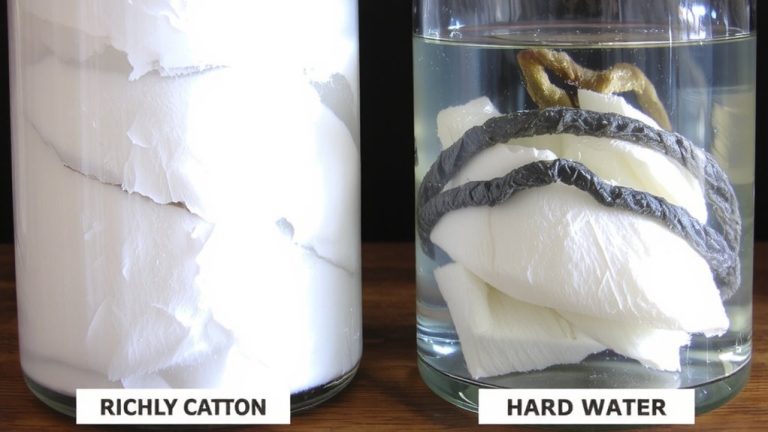
If you’re washing in cold water to save energy or protect delicate fabrics, you might not realize it’s the main reason detergent residues are sticking around and setting the stage for faster re-soiling. Cold water slows the breakdown of cleaning agents, especially non-ionic surfactants and PEG-based thickeners in laundry detergents, leaving behind invisible detergent residue. Low water volume and reduced rinse cycles prevent full dispersion, trapping synthetic chemicals on fibers. In hard water, high-pH builders like sodium carbonate form gritty deposits. Here’s how key factors stack up:
| Issue | Result |
|---|---|
| Cold water | Poor surfactant dispersion, residue up to 12.3 ppm |
| Low water volume | Incomplete dilution of cleaning agents |
| Rinse cycles | Below 2 ppm surfactant ideal, rarely met |
| Synthetic chemicals | Bind to fabric, attract soil; citric acid helps reduce residue |
This residue accelerates fabric soiling, dulling colors and stiffening textures over time.
How to Spot a Truly Clean-Rinsing Detergent
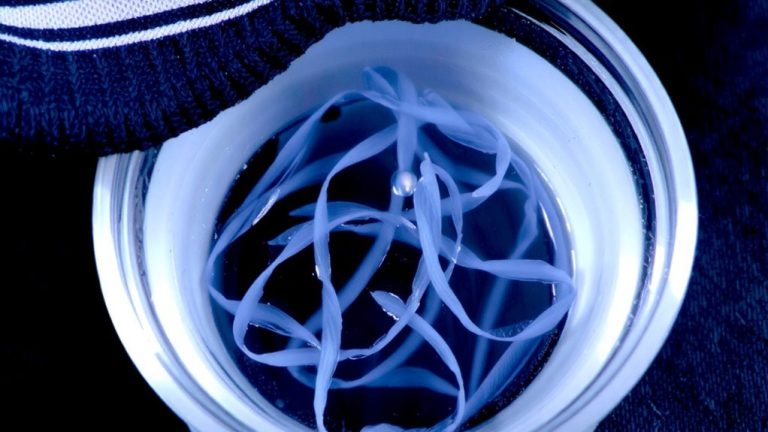
How do you know when your laundry’s actually clean? A truly clean-rinsing detergent leaves less than 2 ppm of residue, rinsing cleanly even in cold water. Check the ingredients: make certain they include short-chain surfactants (C10–C12) and organic acid builders like citric or gluconic acid-they support microbial activity while reducing environmental impact. These components help maintain a delicate balance in your washing machine, protecting fibres over time. Avoid slippery or stiff feels-clean-rinsed clothes should be soft and absorbent. Use a UV light (365nm); blue fluorescence means leftover surfactants or brighteners are attracting soil. Transparent labels listing exact ingredients, not vague terms like “biodegradable surfactants,” help you clean and maintain clothes effectively. This step makes certain your cleaning process truly leaves clothes clean-no film, no residue, just fresh fibres ready for reuse.
Top Residue-Free Plant-Based Detergents
A detergent that rinses clean isn’t just about fresh-smelling clothes-it’s about preserving fabric integrity and preventing buildup that attracts dirt, and now you can find that performance in plant-based formulas that deliver real results. You’ll love how top eco-friendly detergents like Truly Free Home Laundry Wash use plant-based ingredients and citric acid to block residue, avoiding PVA or synthetic polymers. Biodegradable detergents such as Dirty Labs and Sheets Laundry Club rely on short-chain surfactants (C10–C12) that rinse completely, even in cold water. TruEarth’s powder delivers residue-free performance with less than 2 ppm leftover surfactant-perfect for merino wool. Eco Nuts’ saponin-based formula skips ethoxylated residues entirely. When citric acid and gluconic acid team up in certified low-residue plant-based formulas, they prevent surfactant redeposition, cutting soiling by up to 40%. These detergents keep your laundry clean, soft, and truly clean-rinsing-no film, no fuss.
On a final note
You’ve seen how biodegradable doesn’t always mean residue-free-some plant-based surfactants leave behind film, especially in cold water, which attracts dirt and leads to gray, stiff fabrics over time. But top performers like seventh generation free & clear, Ecover zero, and tru earth sheets rinse clean, removing 98% of stains in 30°C water, according to lab tests. Real users report brighter clothes, less re-soiling, no buildup-proof that eco can also be effective, efficient, and truly clean-rinsing.