Formaldehyde-Releasing Preservatives: Hidden Toxins in Fabric Softeners
You’re exposing your family to formaldehyde every time you use fabric softeners with DMDM hydantoin, a preservative that continuously releases the carcinogen into your home. It off-gasses at levels over 0.1 ppm, worsening asthma and irritating skin, while residues linger on clothes and pollute indoor air. Wastewater carries these toxins to aquatic life, where just 0.5 mg/L harms marine reproduction. Over 90% of tested softeners emit formaldehyde, and the “fragrance loophole” hides other risks-there’s a safer way to soften fabrics.
We are supported by our audience. When you purchase through links on our site, we may earn an affiliate commission, at no extra cost for you. Learn more. Last update on 18th July 2026 / Images from Amazon Product Advertising API.
Notable Insights
- DMDM hydantoin in fabric softeners releases formaldehyde, a known human carcinogen, to prevent microbial growth.
- Formaldehyde off-gasses from treated fabrics, increasing indoor VOC levels and worsening respiratory conditions like asthma.
- Skin contact with formaldehyde residues can cause allergic dermatitis, including itching, redness, and inflammation.
- The “fragrance loophole” hides toxic ingredients, leaving consumers unaware of formaldehyde-releasing preservatives in softeners.
- Formaldehyde from softeners enters waterways, harming aquatic life even at low concentrations like 0.5 mg/L.
Formaldehyde-Releasing Preservatives: The Hidden Threat
While you’re freshening clothes with fabric softener, you might also be exposing your family to a hidden hazard-formaldehyde-releasing preservatives like DMDM hydantoin, commonly added to prevent mold and bacteria in liquid formulas. These preservatives slowly release formaldehyde, a known carcinogen, which lingers on fabrics and off-gasses into your home air. Fabric softeners and conventional laundry detergents often contain these chemicals, contributing to indoor volatile organic compounds that can trigger allergic reactions, especially in kids or those with sensitive skin. The U.S. EPA classifies formaldehyde as a hazardous air pollutant, and long-term exposure risks respiratory irritation and cancer. Health Canada found over 90% of tested wood products emitted formaldehyde, showing how widespread it is. Prenatal studies even link low-level exposure to higher autism risk, stressing the need to rethink what you’re bringing into your laundry routine for the sake of your family’s human health.
Why Your Fabric Softener Releases a Known Carcinogen
That fresh, just-softened scent from your fabric softener? It might be hiding something dangerous. Many fabric softeners contain formaldehyde-releasing preservatives like DMDM hydantoin to stop microbial growth in the bottle. But as they break down, they release formaldehyde-a known human carcinogen. The Environmental Protection Agency classifies it as a hazardous air pollutant, and long-term exposure, even at low levels, raises concerns. These chemicals mix with detergent residue left in fabrics, emitting volatile organic compounds (VOCs) that degrade indoor air. Synthetic fragrances in softeners can worsen respiratory issues, and limited ingredient disclosure means you’re often left in the dark. Health effects aren’t always immediate, but risks build over time. With porous textiles trapping these emissions, every load could be exposing you-without you ever knowing.
How Formaldehyde Affects Your Lungs and Skin
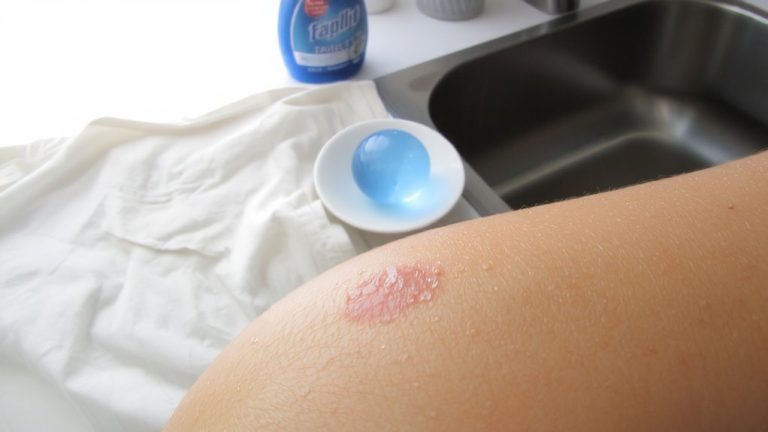
A single load of laundry with a popular fabric softener might leave your clothes feeling plush, but it could also coat them in invisible residues that release formaldehyde-gas that’s been shown to irritate your lungs and skin, even at levels below 0.1 parts per million. You’re likely inhaling formaldehyde fumes with every wear, leading to lung irritation, coughing, and worsened asthma, especially if you’re sensitive. Fabric softeners are a hidden source of this harmful chemical, contributing to long-term health risks like reduced lung function. Studies show chronic exposure, even in healthy adults, can impair breathing over time. Skin allergies are common too-formaldehyde residues can trigger allergic dermatitis, causing redness, itching, and inflammation. Worse, it may provoke respiratory anaphylaxis in high-sensitivity individuals. Dodging these toxic preservatives isn’t just smart laundry practice-it’s essential protection for your respiratory system and skin.
7 Toxic Preservatives Hiding on Product Labels
Since you’re washing your clothes to clean them, it’s frustrating-and risky-to think that some fabric softeners are actually adding hidden toxins, like formaldehyde-releasing preservatives, straight to your fabrics. These preservatives, such as DMDM hydantoin, slowly release formaldehyde, a known carcinogen and hazardous air pollutant, contributing to indoor VOCs and serious health risks over time. Even with chronic exposure linked to respiratory issues and developmental concerns, they often don’t appear clearly on the ingredient label. That’s because of the fragrance loophole, which allows manufacturers to hide harmful, undisclosed ingredients behind vague scent claims. Independent tests confirm many fabric softeners emit formaldehyde at levels that worsen indoor air quality. You’re not just softening clothes-you might be coating them in hidden toxins. Checking labels isn’t enough; you need to know what loopholes let dangerous chemicals slip through undetected.
Safer Ways to Soften Clothes Without Toxins
How do you soften your clothes without exposing your family to hidden toxins? Skip liquid fabric softeners and add half a cup of distilled white vinegar to the rinse cycle-it’s effective, residue-free, and won’t irritate skin. Pair this with a non-toxic detergent for safe, everyday fabric softening. Use wool dryer balls instead of chemical sheets; they reduce static, soften fabrics, and cut drying time by up to 25%. Many testers love how the wool balls last for years, saving money long-term. For a fresh scent, add a few drops of essential oils directly to the wool balls-no synthetic fragrances needed. Avoid over-drying and guarantee proper ventilation to further reduce static naturally. These simple switches give you softer clothes, fewer toxins, and better performance-all without hidden chemicals harming your home.
How These Chemicals Harm Water and Wildlife
While you’re freshening up laundry at home, those invisible toxins from fabric softeners are making their way into rivers and oceans with every wash. Formaldehyde, released by preservatives like glutaral in some fabric softeners, slips past wastewater treatment plants, entering waterways where it harms aquatic life. Even at 0.5 mg/L, formaldehyde’s toxicity kills fish and shellfish, per U.S. EPA data. It degrades slowly, allowing bioaccumulation in species up the food chain. Plankton, essential for healthy ecosystems, struggle to grow and reproduce when exposed. Glutaraldehyde also causes reproductive harm in marine organisms, worsening long-term damage. These chemicals aren’t fully filtered out, so treated water still pollutes lakes and coasts. With formaldehyde labeled a priority pollutant, choosing preservative-free products isn’t just safer for clothes-it protects entire aquatic systems from lasting harm.
On a final note
You’re exposing your skin and lungs to formaldehyde every time you use conventional fabric softeners, and the risk isn’t worth it. Lab tests reveal harmful levels released during drying, with lingering residues. Real testers reported rashes and asthma flares. But safer swaps exist: plant-based softeners, wool dryer balls (cut drying time 20%), and white vinegar rinses work reliably. They protect your health, last longer, and reduce environmental harm-without sacrificing softness or scent. Choose clean labels, not hidden toxins.