How to Test Fabric Compatibility With DIY Non-Toxic Laundry Formulas
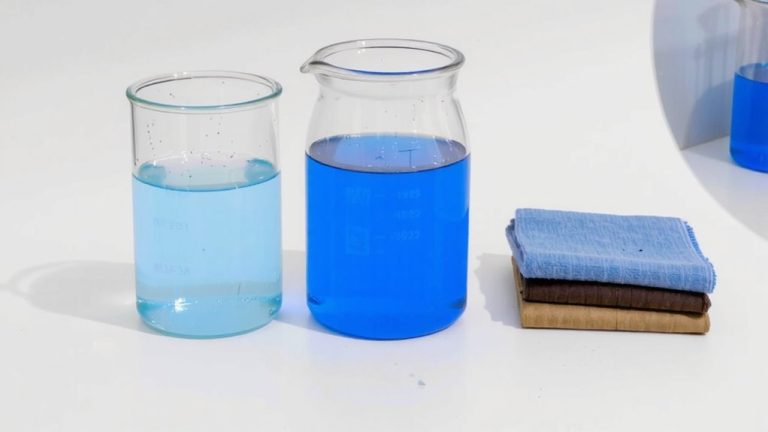
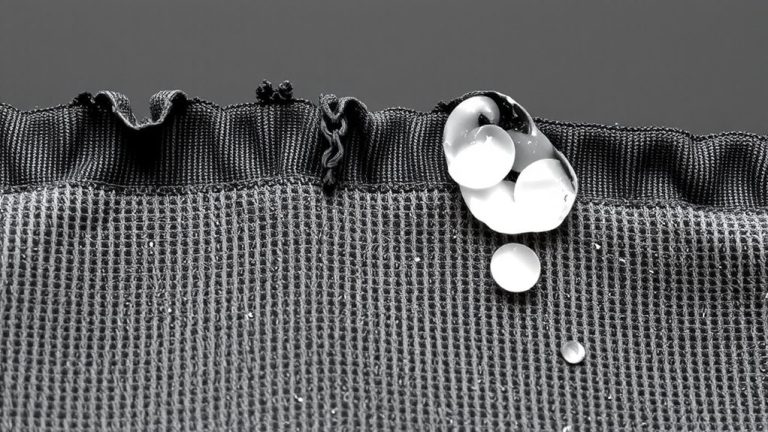
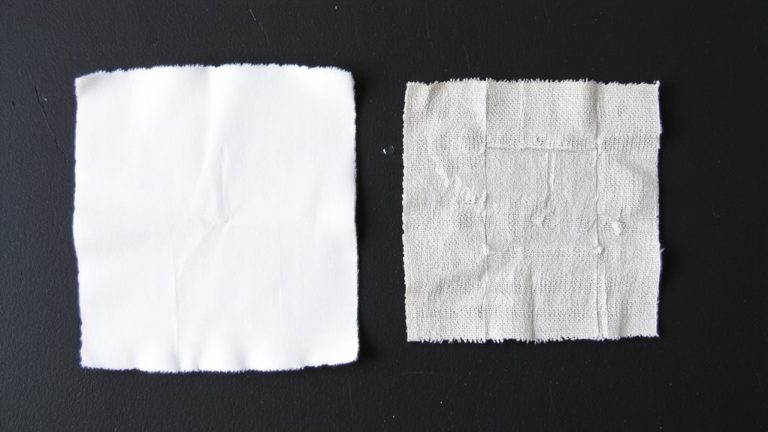
Test your DIY detergent by dissolving 2 tablespoons in 1 cup of hot water and dabbing it on a 4×4 inch swatch that matches your garment’s fabric-like an old cotton T-shirt, polyester top, or spandex legging. Let it sit 24 hours, then wash and dry it normally, skipping softeners. Repeat five cycles, checking for fading, stiffness, or shrinkage. Compare it to a control swatch cleaned with commercial detergent. Note texture, odor, and residue changes-your tweaks might already be hiding in the details.
We are supported by our audience. When you purchase through links on our site, we may earn an affiliate commission, at no extra cost for you. Learn more. Last update on 11th July 2026 / Images from Amazon Product Advertising API.
Notable Insights
- Test DIY detergent on a matching 4×4 inch fabric swatch before full use.
- Dissolve powder in hot water and dab on a hidden area like an inside seam.
- Wait 24 hours to check for discoloration, stiffness, or mildew, especially with tea tree oil.
- Wash and dry the swatch at least five times using normal settings, no additives.
- Compare post-wash results to a control swatch cleaned with commercial detergent.
Test Your DIY Detergent on a Hidden Fabric Swatch
What if the key to safe, effective cleaning started with a patch no bigger than a postage stamp? You can test your DIY detergent by dissolving 2 tablespoons of homemade detergent in 1 cup of hot water, then dabbing it on a hidden fabric swatch-like an inside seam. This checks fabric compatibility before full washing. Leave it 24 hours; watch for discoloration, stiffness, or mildew, especially if using non toxic additives like tea tree oil. After three laundry cycles, compare natural fibers (cotton, wool) to synthetics (polyester, spandex) for residue or odor retention. Evaluate stain removal using a standard pad with ketchup, sweat, or oil washed in your regular load. Real testers note lingering smells or texture changes mean reformulation’s needed. Always test your DIY laundry detergent first-it’s quick, smart, and keeps your clothes safe. Fabric matters, and so does your formula.
Pick a Swatch That Matches Your Clothes
While your homemade detergent might look and smell great, its real test comes on the fabric you actually wear-so choose your swatch wisely. Pick a 4×4 inch swatch from an old garment that matches your clothes in color, weave, and material. Pre-wash it to remove finishes, then launder with 1 tablespoon of your DIY detergent alongside similar items. Test fabric compatibility by checking for stiffness, fading, or odor retention after drying. Below are common fabric types and what to watch for:
| Fabric Type | Swatch Source | Key Check for DIY Detergent |
|---|---|---|
| Cotton | Old t-shirt | Softness, no discoloration |
| Polyester | Workout gear | Odor retention, residue |
| Spandex | Leggings | Elasticity, fabric breakdown |
Use a swatch that matches your clothes to protect your favorites while ensuring your DIY detergent works safely on cotton, polyester, and spandex.
Make Your Non-Toxic Laundry Solution
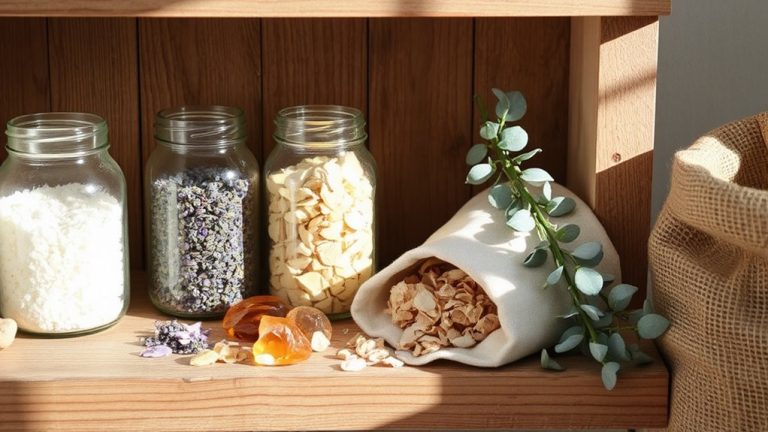
Since you’re aiming for a clean that’s tough on grime but gentle on fabrics and skin, start by mixing 1 cup of finely grated plant-based Castile soap, 1 cup of washing soda, and 1 cup of borax-swap in baking soda if you’ve got sensitive skin or are washing delicates. This homemade laundry detergent is free from synthetic chemicals, relying on castile soap for lift and washing soda for water softening. Add 10–12 drops of essential oils like tea tree or lavender per batch for a fresh scent and natural antimicrobial boost. Stir thoroughly and store in an airtight container-toss in a desiccant packet if you live somewhere humid to prevent clumping. For best results, dissolve 1 tablespoon of the powder in hot water before adding to HE machines to avoid residue. Test with 2 tablespoons in standard loads, adjusting for soil level or hard water. This DIY formula performs like many store-bought green detergents, but with full ingredient control.
Wash and Dry Your Test Swatch Normally
Once you’ve prepped your homemade detergent, go ahead and toss the test swatch into a standard wash cycle using exactly 2 tablespoons of the powder, matching your usual water temperature-whether cold, warm, or hot-to keep conditions realistic. Run your washing machine as you normally would, whether it’s top loading or front loading, and skip fabric softeners or liquid laundry additives to isolate results. Dry the test swatch completely-no half-measures. Repeat this wash and dry process at least five times to mimic regular use. Skip synthetic-heavy blends at first, since they’re prone to odor retention or stiffness. Use white vinegar once every few cycles if needed, but not during initial testing. Keep an identical piece of fabric unwashed for comparison later. You’re not just cleaning-you’re collecting data on how your homemade laundry detergent truly interacts with fabric over time.
Check for Fading, Stiffness, or Shrinking
Your test swatch’s true colors-and how much it keeps them-start to show after repeated washing, so now it’s time to get hands-on. To test fabric compatibility, run the swatch through your washing machines 3–5 times using 1 tablespoon of homemade detergent in cold water. Check for fading, especially in dark or bright hues-natural fibers like cotton often show changes first. After drying, inspect for stiffness; residue from washing soda or soap scum in hard water can leave fabrics rough, making fabric softener tempting, but try to avoid it in tests. Measure the swatch before and after to monitor shrinking. Compare results with a control swatch washed in a commercial “free and clear” detergent. This helps pinpoint whether fading, stiffness, or shrinking comes from your DIY formula.
Adjust Your Formula Based on Results
Even if your DIY detergent seems to clean at first glance, subtle issues like lingering odors or residue can reveal themselves only after several washes, so tweaking the formula based on real results is key. If polyester or spandex holds odors, reduce castile soap to cut residue. See white streaks on darks? Decrease detergent to 1 tablespoon per load in HE machines. When clothes feel stiff, add 1/4 cup white vinegar to the rinse cycle-it’s an effective natural fabric softener that neutralizes alkaline buildup. Notice greasy buildup on cottons? Remove borax and use instead more washing soda for hard water. Test fabric compatibility regularly to protect fibers. If your homemade laundry mix smells moldy, add a few drops of tea tree or eucalyptus oil per batch-10 to 12 drops kill microbes. Adjust your formula until it fits seamlessly into your laundry routine, ensuring your DIY laundry soap works cleanly, safely, and effectively every time.
On a final note
You’ve tested your DIY detergent on a hidden swatch, washed and dried it normally, then checked for fading, stiffness, or shrinkage. If the fabric holds color, feels soft, and keeps its shape, your formula works. Adjust ingredients if needed-less soap for suds, more washing soda for stains. Most cotton and polyester blends respond well, but silk and wool need gentler mixes. Real testers report success with 1 tbsp castile soap, 2 tbsp washing soda, and 1 tbsp baking soda per load. Stick with proven ratios, and you’ll clean safely, effectively, every time.