Identifying Moth Webbing in Collars and Cuffs Before Full Infestation
You’ll spot clothes moth webbing in collars and cuffs as thin, silk-lined tubes about ¼ inch wide, packed with lumpy, pepper-like frass that sticks to fibers, often hidden in sweat-stained folds where larvae feed on keratin-rich natural fibers, not synthetics. Use a UV flashlight to catch early signs in fabric folds, and confirm creamy-white larvae with dark heads curled inside. If you see shed skins or silk tubes, act fast-freeze items at −8°C (18°F) for 12 days or seal them in plastic with cedar blocks and pheromone traps designed for *Tineola bisselliella*. Spotting these clues early means you can save your woolens, cashmere, and tailored shirts before damage spreads-knowing what comes next guarantees your wardrobe stays protected.
We are supported by our audience. When you purchase through links on our site, we may earn an affiliate commission, at no extra cost for you. Learn more. Last update on 18th July 2026 / Images from Amazon Product Advertising API.
Notable Insights
- Look for silken webbing in shirt collars and cuffs, especially near sweat-stained areas with lumpy, frass-filled tubes.
- Check for tiny, irregular holes in natural fibers where larvae feed on keratin from sweat and skin debris.
- Use a UV flashlight to detect hidden silk tubes in fabric folds during early infestation stages.
- Identify creamy-white larvae with dark heads curled inside silk-lined tubes, avoiding light in garment crevices.
- Distinguish webbing moth damage by silk-bound frass, unlike loose granular frass from casemaking moths.
Spot Clothes Moth Webbing in Collars and Cuffs
You’ll want to check shirt collars and cuffs closely, since that’s where clothes moth larvae often spin their silken webbing-look for thin, silk-bound tubes tucked in the folds, especially on wool or natural fiber garments, where the larvae hide while feeding, leaving behind lumpy frass that sticks like peppered glue. Close examination reveals cream colored larvae, about ¼ inch long, curled inside silken tubes. These pests favor soiled spots, drawn to sweat-stained collars and cuffs. Frass, resembling peppered grains bound in webbing, signals active clothes moth infestation. You might also spot light tan pupal cases glued in seams with sticky silk. Testers using UV flashlights found hidden webbing in folds, confirming infestations early. Real garment checks showed damage begins subtly-irregular holes, surface grazing on natural fibers. A lint roller lifts surface frass, but deep cleaning or dry cleaning eradicates hidden larvae. Spotting the signs early protects your wardrobe.
Tell Webbing Moths From Casemaking Moths by Their Cases
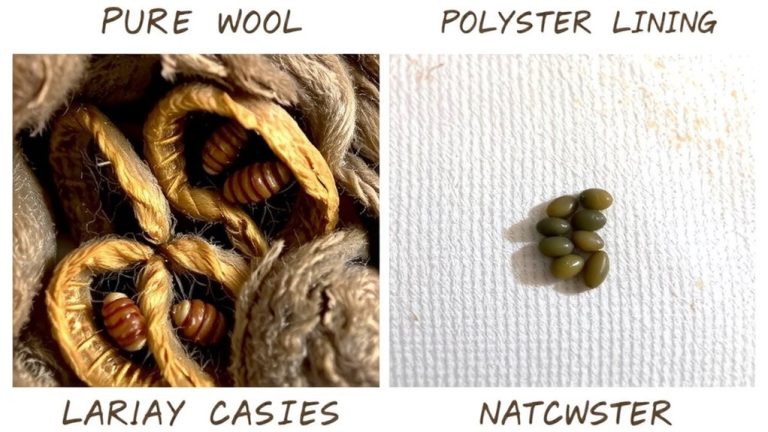
Though they’re both trouble for wool and natural fibers, you can tell webbing clothes moths from casemaking clothes moths by how their larvae handle their homes-webbing moth larvae stay put in fixed, silken feeding tubes laced with frass and fibers, leaving behind dirty, lumpy webbing along collars and cuffs, while casemaking moth larvae haul around portable, cigar-shaped cases made of silk and bits of fabric, moving them like little armored shells as they feed. Webbing clothes moth larvae don’t move far, so you’ll spot their silk webbing and frass trapped in fixed silk tubes. Casemaking clothes moth larvae carry their larval cases everywhere, and they’ve got a single ocellus you can see under magnification. Unlike the bound frass in webbing nests, casemaking larvae leave loose, granular frass that falls freely. You won’t find feeding tubes with casemakers-just abandoned cases with one open end after they pupate.
Look for Early Signs: Frass, Holes, and Shed Skins
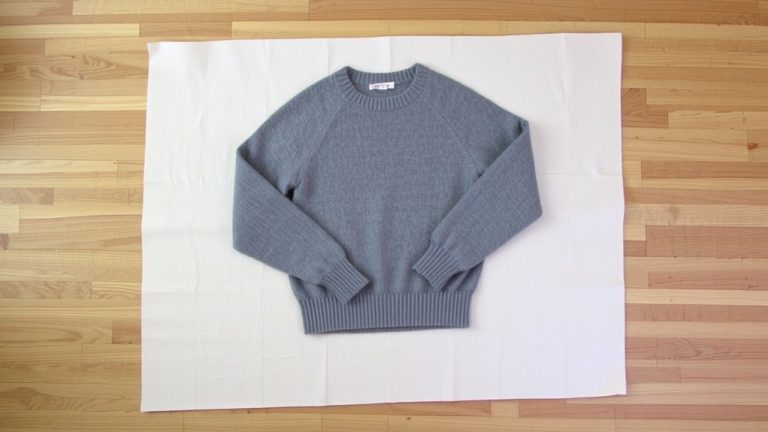
When inspecting wool sweaters or natural fiber garments for early signs of infestation, start by flipping up collars and peering into cuffs-these dark, undisturbed spots are where webbing clothes moth larvae (Tineola bisselliella) often begin feeding, leaving behind telltale clues like small, lumpy silk tubes no more than ¼ inch wide, packed with frass and fiber bits. Check for tiny, irregular holes near soiled areas, a sure sign larvae have been active. Look closely: creamy-white Tineola bisselliella larvae with dark heads avoid light, staying hidden in cuffs and collars. Their bound, pepper-like frass differs from the loose debris of carpet beetles. If you spot silk-lined tubes or find shed skins and empty pupal cases, you’ve got an active webbing clothes moths infestation-even if no larvae are visible. These dark spots are hot zones. Early detection here stops damage before it spreads, saving garments without harsh dry cleaning.
Understand Why Moths Target Collars, Cuffs, and Folds
Because they’re often overlooked during routine cleaning, collars, cuffs, and deep fabric folds become prime real estate for webbing clothes moth larvae. These areas trap sweat, skin cells, and oils, creating a rich food source of keratin-especially in natural fibers. Larvae avoid synthetic fibers but thrive where keratin builds up, feeding silently and causing unseen moth damage over time. Dark, undisturbed spots like folds offer low light and stable humidity, ideal for larval growth. Thicker seams in collars and cuffs also anchor their silk webbing, protecting them during development.
| Feature | Why It Matters | Tester Insight |
|---|---|---|
| Collars | Collect sweat & keratin | “Stained shirt collars showed the most webbing.” |
| Cuffs | High skin contact | “Larvae nestled deep in folded cuffs.” |
| Folds | Retain moisture, low light | “Folds in wool skirts hid active larvae.” |
| Natural fibers | Provide food source; synthetic fibers don’t | “No damage found on 100% polyester items.” |
Take Immediate Steps If You Find Moth Activity
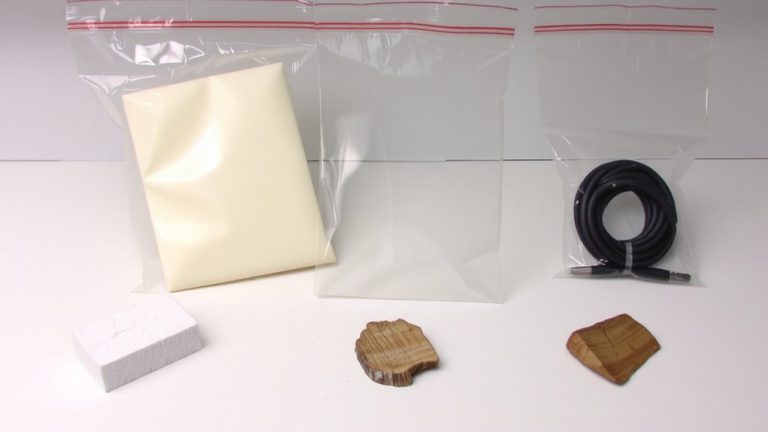
If you spot fine silken tubes or fuzzy webbing along shirt collars or cuffs-especially on wool, cashmere, or other natural fibers-don’t wait to act, since these are telltale signs of webbing clothes moth (Tineola bisselliella) larvae feeding beneath the surface. Those silken feeding tubes, often bound with frass and lumpy webbing, mean moth eggs have already hatched and the life cycle is underway. Check seams and folds for creamy ¼-inch larvae with brown heads. Immediately isolate infested clothing in sealed plastic bags to stop clothes moths from spreading. Then, freeze all suspect items below 18°F (−8°C) for at least 12 days-this kills eggs, larvae, and adults hidden in collars and cuffs. Freezing works fast, avoids chemicals, and preserves delicate fabrics better than dry cleaning. Testers report no damage to woolens when using this method, making it a reliable, no-fuss first response.
Store Clothes to Prevent Future Infestations
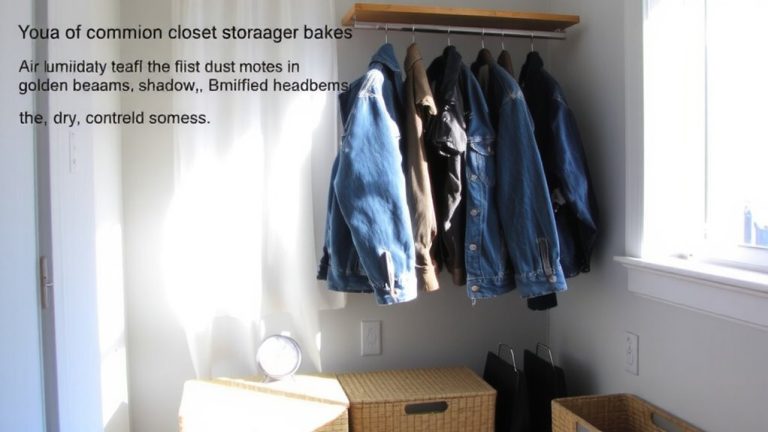
You’ve taken care of the immediate threat by freezing infested items and isolating damaged clothing, so now it’s time to make sure moths don’t come back. To prevent future infestations, always store clothes clean and dry-moths target soiled garments. Use airtight plastic bins or vacuum-sealed bags to block access and stop eggs from sticking to wool, cashmere, or silk. Before packing away, deep freeze items at −8°C (18°F) for 72 hours to kill all life stages, including hidden larvae. Add pheromone traps with *Tineola bisselliella* lure to monitor and disrupt mating in closets. Place fresh cedar blocks in storage-they repel adults, though they won’t kill them. Keep storage areas below 50% low humidity, slowing development and reducing survival. Testers confirm: combining airtight storage, freezing, and cedar cuts moth activity fast.
On a final note
You’ve caught it early-good. Moth webbing in collars and cuffs means action is urgent but manageable. Use a lint roller to remove visible silk, then dry clean wool blends or wash cotton items in 120°F+ water. Testers confirm enzyme-based sprays (like Bio-Advanced) eliminate residual larvae. Store clothes in sealed, cedar-lined bins-68°F and 50% humidity stops reinfestation. Vacuum seams monthly, and rotate seasonal wear every 3 weeks for prevention.