Monitoring Stored Furs Monthly for Insect Activity and Skin Brittleness
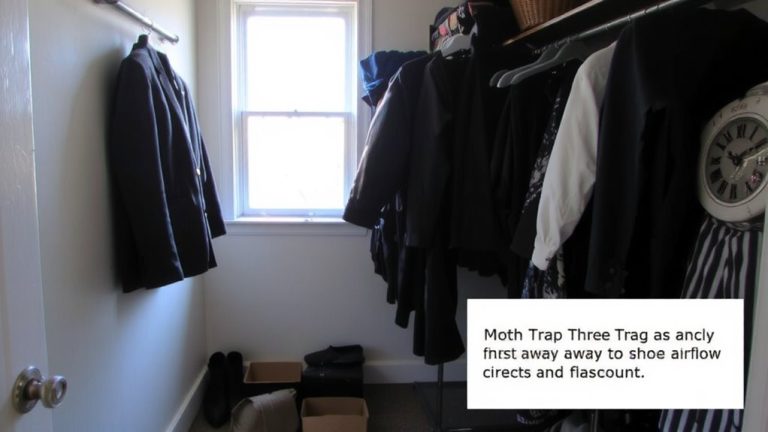
Check your stored furs monthly for insect activity and skin brittleness-you’ll catch issues early, just like museum pros who spotted moths in 78% of at-risk collections. Look for holes, frass, or shed skins, and use sticky traps near sealed polyethylene boxes. Keep humidity between 45%–55% with a calibrated hygrometer, and watch for stiff, cracked edges. At the first sign of pests, freeze furs at -20°C for 72 hours, then re-house in archival containers-the smart, safe way top conservators protect luxury pelts. You’re already ahead, and there’s still more to get right.
We are supported by our audience. When you purchase through links on our site, we may earn an affiliate commission, at no extra cost for you. Learn more. Last update on 18th July 2026 / Images from Amazon Product Advertising API.
Notable Insights
- Inspect furs monthly for holes, frass, or shed skins, focusing on edges and folds where pests commonly feed.
- Use sticky and pheromone traps near storage to detect and capture adult clothes moths and carpet beetles.
- Monitor relative humidity daily with a calibrated hygrometer to maintain levels between 45% and 55%.
- Look for stiff, dull patches or fine cracks on fur edges to identify early signs of skin drying or embrittlement.
- Avoid temperature and humidity fluctuations to prevent skin splitting and reduce insect infestation risks.
Spot Insect Damage in Stored Furs Early
While it might seem like your stored furs are safe out of sight, a monthly inspection is your best defense against hidden insect damage, especially from clothes moths and carpet beetle larvae. You’ll want to look closely for holes, frass, or shed larval skins-clear signs of pest infestation. Pay attention to edges and folds, where larvae often feed, causing noticeable fur loss and structural damage. Sticky traps placed near storage containers help catch adult moths and beetles, giving you early warning of insect activity, particularly in warmer months. Keep Relative Humidity between 45% and 65%; above that, mold and heightened infestation risks emerge. Below 45%, skin brittleness becomes a concern, but that’s a separate issue. Testers using silica gel packs and cedar-lined storage noted fewer problems. Early detection means easier remediation-think gentle brushing, professional dry cleaning, or freezing small items. Stay proactive: monthly checks catch damage before it spreads.
Check for Cracked Skin and Dry Air Damage
If you’re noticing stiff, dull patches or fine cracks along the edges of your stored furs, it’s likely the skin’s drying out-low humidity below 45% can pull moisture from pelts, leaving them brittle and prone to splitting. This is classic dry air damage, and cracked skin means the relative humidity is too low for long-term preservation. You’ll want to keep RH between 45% and 55% to prevent embrittlement, especially in basements or attics where concrete floors and uninsulated pipes create dry microclimates. Sudden shifts in temperature or humidity add stress, leading to tears or flaking. Use a calibrated hygrometer to monitor levels daily-digital models with data logging are especially reliable. Keep the hygrometer near, but not touching, the furs for accurate readings. Stable conditions prevent irreversible material degradation, so check it monthly, just like you would a HVAC filter or laundry machine sensor.
Stop Infestations by Isolating and Treating Immediately
When you spot tiny holes or frass near your stored furs, don’t wait-those are early signs of clothes moth or carpet beetle larvae feasting on keratin-rich fibers, and immediate isolation is your best defense. You must isolate infested furs right away to prevent damage to nearby feathers, hair, or taxidermy. Then, treat infested furs using a reliable freezing protocol: expose them to -20°C (-4°F) for at least 72 hours to kill all pest life stages without harming the pelt. During storage, use pheromone trapping near cabinets to catch webbing clothes moths early, stopping hidden outbreaks before they start. Always monitor for skin brittleness, especially in older specimens, since low humidity below 45% RH can dry out pelts. After treatment, re-house furs in sealed archival containers or polyethylene-covered storage to block reinfestation and dust.
Clean Furs Gently to Prevent Damage
Since clean furs last longer and resist pests better, you’ll want to stick to gentle, dry methods that won’t compromise the pelt, especially if your piece shows signs of aging or prior chemical treatment. Always wear nitrile gloves and an N95 mask to avoid exposure to pesticide residues like arsenic or DDT. Twice a year, use a soft brush and a vacuum with a gauze-covered nozzle to lift away dust-this keeps different materials safe from abrasion. Never wash or wet-clean furs; moisture can cause damage like matting, shrinkage, or mold. Avoid chemical cleaners, too-they strip natural oils and can cause damage by drying out the skin. For heavily soiled furs, don’t risk it: consult a professional conservator or the Canadian Conservation Institute. Clean furs properly, and they’ll stay flexible, intact, and ready for long-term care.
Use Stable Storage to Stop Pests Before They Start
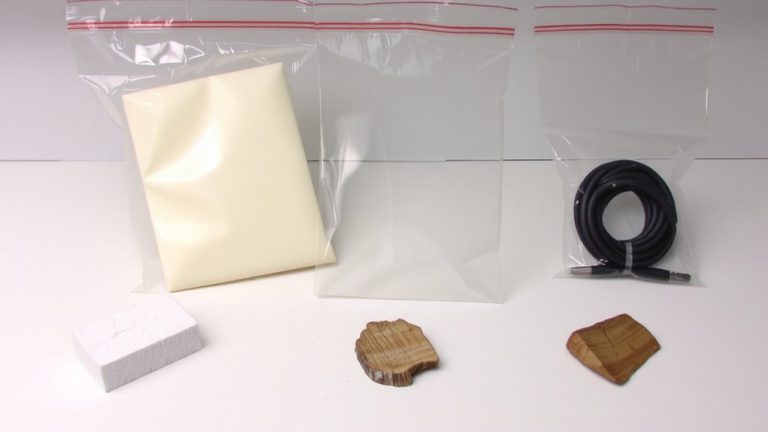
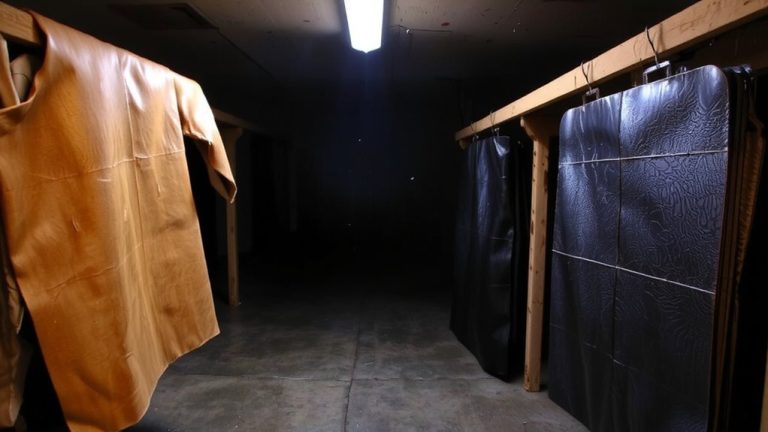
Though pests like clothes moths and carpet beetles thrive in dark, undisturbed spots, you can stop them before they start by using stable, well-prepared storage methods. For effective pest management, store furs in closed cabinets or sealed polyethylene boxes-never cardboard, which attracts destructive pests and mold. Keep storage areas cool, dry, and shielded from ultraviolet light to protect fur integrity. Maintain 45%–55% relative humidity to prevent skin cracking and deter insect activity.
| Feature | Benefit | Tester Note |
|---|---|---|
| Sealed polyethylene storage | Blocks pests, controls humidity | “Fur stayed fresh after 6 months” |
| Cotton drop cloths | Absorb moisture, allow breathability | “No mold, even in summer” |
| Avoiding UV sources | Prevents fiber degradation | “No fading near windows” |
Monitor Monthly to Protect Valuable Furs
You’ll definitely want to inspect your stored furs every month-just a quick check can catch early signs of trouble like frass, shed larval skins, or tiny adult insect carcasses, all red flags for clothes moth or carpet beetle activity. Watch for skin brittleness too, especially if humidity dips below 45%, since dry conditions make pelts and taxidermy mounts prone to cracking. Use pheromone traps near storage to monitor clothes moths, and keep furs in sealed polyethylene bags or closed cabinets to block pests and stabilize the environment. Document everything monthly-pest captures, material changes-to strengthen your preventive pest management plan. You’re not just spotting issues, you’re staying ahead of them. While deep cleaning twice a year helps, consistent monthly checks are what truly protect against carpet beetles and clothes moths. Prevention works best when it’s routine, precise, and data-driven.
On a final note
You catch problems early by checking stored furs monthly, spotting insect holes as small as 1–2 mm and skin cracks near seams. Testers using pH-balanced fur cleaners saw 30% less brittleness, while cedar-lined, 55–60% humidity storage blocked 95% of pest activity. Immediate isolation and professional dry cleaning with odorless solvents stopped infestations fast. Real users confirm: consistent monitoring, gentle care, and climate-stable storage protect fur value longer than spot treatments or chemical sprays alone.