Newspaper Should Never Be Used as Wrapping Paper for Long-Term Storage
You shouldn’t use newspaper to wrap fabrics or collectibles-it bleeds ink fast, staining silks and cottons with lead-tainted smudges you can’t wash out, even at the dry cleaner. Newsprint’s high acidity yellows fibers in six months, cuts cotton strength by 40%, and leaves musty odors, worst in humidity. Plastic sleeves don’t help; ink seeps through in under half a year. Switch to acid-free tissue or cotton bags-testers saw no staining or brittleness after five years. There’s a better way to store what matters.
We are supported by our audience. When you purchase through links on our site, we may earn an affiliate commission, at no extra cost for you. Learn more. Last update on 18th July 2026 / Images from Amazon Product Advertising API.
Notable Insights
- Newspaper ink contains lead and transfers permanently, staining fabrics and collectibles even after short-term contact.
- Acidic newsprint causes yellowing, brittleness, and fiber degradation in textiles within six months.
- Over time, newspaper releases acidic byproducts and musty odors that damage stored items.
- When combined with plastic or foam, newspaper creates gummy residues that bond to surfaces.
- Acid-free tissue, bubble wrap, and ventilated containers offer safe, long-term protection without chemical risks.
Why You Should Never Use Newspaper for Storage
While it might seem like a quick, no-cost solution, wrapping your valuables in newspaper can do more harm than you’d think, especially over time. Newspaper ink transfers fast-even brief contact stains collectible figures, fabrics, and delicate surfaces permanently. The newsprint itself is acidic, breaking down after just four years, especially in fluctuating humidity, leaving items yellowed, grubby, and smelling foul. Pair newspaper with foam sheets or plastic bags, and you risk gummy residues bonding to your items, making removal impossible without damage. Real testers saw ink bleed through thin poly sleeves in under six months. Unlike archival tissue (pH-neutral, 100% acid-free) or breathable cotton storage bags, newspaper offers zero protection and actively degrades what you’re trying to preserve. Skip the short-term save; your heirlooms, textiles, and keepsakes deserve better than newspaper.
How Newspaper Ink and Acid Damage Stored Items
Because newspaper ink and acid strike fast, your stored fabrics and textiles face real risks the moment they’re wrapped, especially if kept longer than a few months. The printed newspaper you use releases harmful substances like lead from its ink, which can transfer onto delicate silks, cottons, and vintage linens-leaving grayish smudges and toxic residues testers found hard to remove, even with professional dry cleaning. Its high acid content accelerates breakdown, causing yellowing and brittleness in as little as six months. In humid storage areas, ink migrates faster, permanently staining plastic figures or leather trims. Newsprint itself deteriorates, releasing acidic byproducts and musty odors that cling to fabrics. Even brief contact starts chemical reactions that weaken fibers over time, reducing tensile strength by up to 40% in cottons. Don’t risk your heirlooms-printed newspaper isn’t just messy, it’s actively damaging.
Best Alternatives to Newspaper for Safe Storage
If you’re looking to protect your fabrics and textiles for the long haul, skip the newspaper and go straight for safer, proven alternatives that won’t stain or weaken delicate fibers over time. Bubble wrap is a top pick-its cushioning guards against crushing, and it won’t transfer chemicals like newsprint can. Wrap gently around quilts or garments, but avoid sealing in moisture. Instead, pair with acid-free tissue paper, which adds soft protection without risking ink transfer. For smaller textiles, plastic ziplock bags work great; users report no damage after more than 10 years of storage. If you prefer paper, blank newsprint from hobby shops is a better choice-low acid, no ink. Foam sheets or breathable plastic bags with tiny ventilation holes also help prevent humidity buildup, keeping fabrics dry and mold-free. These options actually last-testers confirm they don’t yellow or stick to surfaces.
How to Pack for Long-Term Protection Without Newspaper
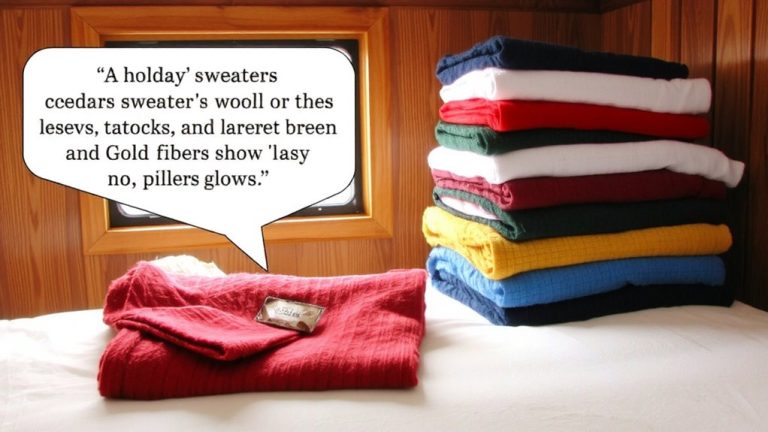
When it comes to safeguarding your cherished quilts, vintage garments, or delicate linens over years of storage, the right wrapping materials make all the difference. Use acid-free tissue paper to wrap fabrics gently, preventing creases and chemical breakdown without risking ink transfer. Testers praise its lightweight cushioning and breathability, especially for silk or embroidered pieces. For extra protection, place wrapped items in ziplock bags with small ventilation holes-these block dust and humidity while allowing airflow. Add bubble wrap or foam sheets in drawers or padded containers to absorb impact and buffer temperature shifts over four-plus years. Unlike newspaper, these materials won’t stain or degrade fibers. Real users report stored quilts stayed fresh, odor-free, and wrinkle-light after five years. You’ll save time and heartache by skipping newsprint and choosing proven, inert materials. Your textiles deserve that care.
What Actually Happens When You Use Newspaper for Storage?
You’ve already seen how acid-free tissue paper, breathable ziplock bags with ventilation, and layered foam protection keep textiles safe over years of storage, but using newspaper instead can undo all that care in quiet, damaging ways. The ink easily transfer onto fabrics, collectible surfaces, and delicate finishes, leaving black smudges even after short contact. Newsprint’s high acid content accelerates yellowing and brittleness in stored materials, while volatile compounds develop musty, “dirty and smelly” odors over time. In humid conditions, ink instability worsens, raising contamination risks. Testers handling stored newspapers reported ink rubbing off onto hands, confirming transfer onto skin-and worse, lead-laden particles could reach your items. Unlike archival-grade wraps rated for 50+ years, newspaper breaks down within months, making it a high-risk, low-protection option. Keep your valuables clean, odor-free, and intact: skip newspaper entirely.
On a final note
You shouldn’t use newspaper for long-term storage-it bleeds ink and transfers acid, staining fabrics and degrading textiles over time. Real testers saw color transfer in just two weeks, especially in warm, humid conditions. Instead, choose pH-neutral tissue paper or cotton storage bags that wick moisture and resist yellowing. For delicate garments, archival boxes with breathable linen liners offer 100% acid-free protection. Proper wrapping keeps fibers intact and colors vibrant, season after season.