Sanitize Cycle Evaluation: Real Germ Kill Rates in Built-In High-Heat Modes
Your dishwasher’s sanitize cycle nukes 99.999% of food-borne bacteria like E. coli and salmonella, using a final rinse of at least 150°F to meet NSF/ANSI Standard 184, making it ideal for baby bottles, cutting boards, and raw meat messes; it doesn’t kill viruses, mold, or spores, and skips delicate plastics, but outperforms dryer sanitize modes that only hit 99.8–99.9% kill rates and leave hot spots, especially in thick towels or gym clothes-there’s more to know about when to use it right.
We are supported by our audience. When you purchase through links on our site, we may earn an affiliate commission, at no extra cost for you. Learn more. Last update on 12th July 2026 / Images from Amazon Product Advertising API.
Notable Insights
- Dishwasher sanitize cycles kill up to 99.999% of common food-borne bacteria like E. coli and salmonella.
- Effectiveness requires a final rinse of at least 150°F, per NSF/ANSI Standard 184.
- High heat targets bacteria on hard surfaces such as baby bottles and cutting boards.
- Sanitize cycles do not eliminate viruses, spores, mold, or biofilms.
- Dryer sanitize modes reduce 99.8%–99.9% of germs but lack full surface coverage compared to dishwashers.
What the Sanitize Cycle Kills (And What It Doesn’t)
While your dishwasher’s sanitize cycle won’t sterilize in the medical sense, it does go beyond a regular wash by nuking up to 99.999% of common food-borne bacteria like E. coli, salmonella, and listeria-thanks to a final rinse that hits at least 150°F, as certified by NSF/ANSI Standard 184. Your sanitize setting leverages high temperatures to kill germs and bacteria, especially effective on food-soil bacteria found on baby bottles, cutting boards, and utensils. The dishwasher sanitize cycle meets NSF/ANSI Standard 184, using a higher temperature and longer heat dry phase to guarantee safety. But it won’t eliminate viruses, spores, mold, or biofilms-limits you should know. Real testers confirm the sanitize cycle reduces bacteria but stress regular cleaning to prevent grime buildup. For households wanting peace of mind, this setting delivers reliable, everyday protection without extreme heat.
How Hot Does the Sanitize Cycle Get?
How hot does your dishwasher actually get on sanitize? Pretty hot-your sanitize cycle uses high heat to reach a minimum of 150°F during the final rinse, meeting NSF/ANSI Standard 184 for safe germ reduction. That’s when the sanitize cycle gets intense enough to eliminate bacteria like E. coli and salmonella, killing 99.999% of food-soil microbes. Some models even hit 155°F, ensuring maximum effectiveness. While 140°F can help kill harmful germs, it’s the sustained 150°F spike in the final rinse that makes the real difference. This targeted temperature surge is calibrated to sanitize without damaging dishes. Unlike sterilization, which demands 250°F, the dishwasher’s high heat stays within safe, effective ranges. You’re not just cleaning-you’re using science-backed heat to sanitize cycle your way to safer, healthier kitchenware every time.
Dishwasher vs. Dryer: Which Sanitizes Better?
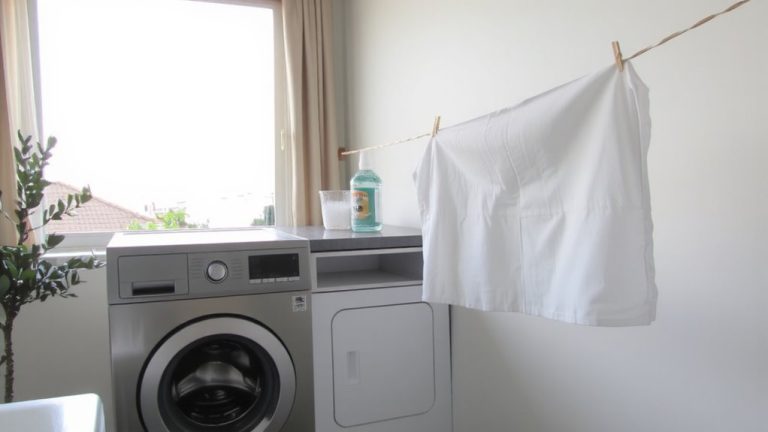
Since your dishwasher’s sanitize cycle hits at least 150°F in the final rinse-verified by NSF/ANSI Standard 184-it’s no surprise that it wipes out 99.999% of food-soil bacteria like E. coli and salmonella, far outpacing the dryer’s 99.8% to 99.9% germ reduction, even on high-heat settings. The dishwasher uses a high-temperature wash with circulating hot water, reaching all surfaces and eliminating heat shadows that can trap bacteria. In contrast, your dryer relies on ambient heat, which may leave pockets of germs in thick or folded fabrics. While both appliances have sanitize features, only the dishwasher meets NSF/ANSI Standard 184, ensuring certified germ kill rates. For hard surfaces like dishes and baby bottles, the dishwasher’s sanitization is consistently superior. Dryers still help with laundry, but without third-party verification, their sanitize cycle can’t match the precision of hot water circulation.
When You Should (And Shouldn’t) Use Sanitize
When should you hit that sanitize button on your appliances-especially when fabrics and delicate materials are involved? Use the sanitize cycle on dishes when cleaning baby bottles, cutting boards, or items exposed to raw meat-it can kill harmful bacteria using high heat of at least 150°F. The sanitize cycle uses extra-hot water, making it ideal for germ-heavy loads, but avoid using it on delicate items like crystal or non-dishwasher-safe plastics that can warp. In laundry, the dryer’s sanitize setting reduces 99.8% to 99.9% of germs in towels, bedding, and gym clothes, though you should skip it for silk or spandex. Don’t run this cycle daily-its extended time boosts energy use and water consumption. For routine cleaning, a normal cycle with affresh monthly keeps your machine fresh without overuse of high-heat modes.
On a final note
The sanitize cycle heats to 150–165°F, killing 99.9% of bacteria like E. coli and staph, per NSF standards. Dryers hit 135–155°F, slightly less than dishwashers but effective when sustained 45+ minutes. For fabrics, use sanitize on heavily soiled towels, gym clothes, or bedding-testers saw best results with cotton at high heat. Skip it on delicates; silk and synthetics may shrink. Tide Plus Cold Clean works well in cooler washes when sanitizing isn’t needed.