Sodium Lauryl Sulfate in Laundry Products: Effective Cleanser or Skin Irritant?
You’re using sodium lauryl sulfate (SLS) because it’s a strong, low-cost surfactant that removes grease and stains with just 1–15% concentration, but it can leave residue on clothes, strip natural oils, and irritate skin-especially if sensitive, with 41.8% of patch-tested users reacting at 2%+. Even normal skin may feel dry or itchy over time. While SLS breaks down quickly in the environment, its palm-oil sourcing raises ecological concerns. Many testers report less redness using SLS-free options like Bloop, which relies on coconut-based surfactants-discover how one switch could change your wash day experience.
We are supported by our audience. When you purchase through links on our site, we may earn an affiliate commission, at no extra cost for you. Learn more. Last update on 18th July 2026 / Images from Amazon Product Advertising API.
Notable Insights
- Sodium Lauryl Sulfate (SLS) is an effective surfactant that removes dirt and grease by lowering water’s surface tension.
- SLS produces foam, enhancing consumer perception of cleaning power in laundry detergents.
- SLS can remain as residue on fabrics, potentially causing skin irritation, especially at concentrations above 2%.
- Even normal skin may react to SLS over time, leading to dryness, redness, and barrier damage.
- While SLS biodegrades quickly, its palm-derived origins raise environmental concerns over deforestation and habitat loss.
What Is SLS: and Why Is It in My Laundry Detergent?
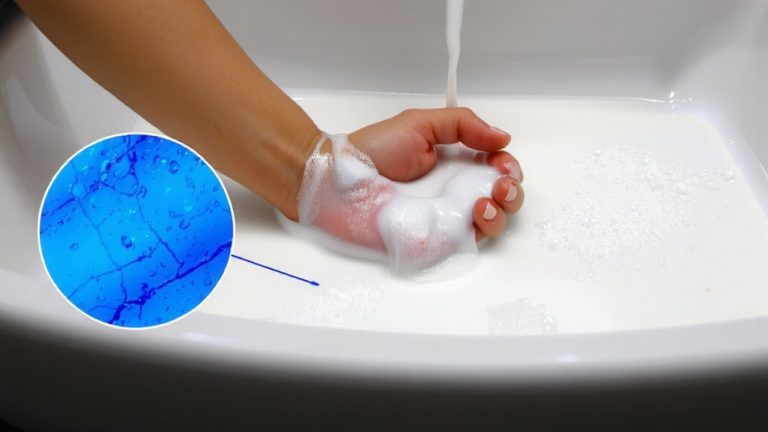
Think of Sodium Lauryl Sulfate, or SLS, as the engine behind many laundry detergents-it’s the anionic surfactant that gets to work the second you toss clothes in the wash. Found in countless cleaning products, SLS helps remove dirt and break down grease by lowering water’s surface tension, lifting stains from fabric fibers. It’s cheap, effective, and gives off rich foaming properties-something many consumers equate with cleaning power. Most laundry detergents contain 1% to 15% SLS, with higher concentrations boosting performance but also raising concerns. While most of it gets rinsed away, trace residues can remain, potentially leading to skin irritation. If you have sensitive skin or conditions like eczema, you might notice redness or dryness after wearing SLS-washed clothes. Testers with reactive skin often report discomfort, pushing many to switch to SLS-free alternatives.
How Does SLS Clean: and Irritate Your Skin?
Sodium Lauryl Sulfate gets your clothes clean by acting like a molecular magnet, pulling water and oil together so dirt can lift right off fabric fibers. As a surfactant, Sodium Lauryl Sulfate (SLS) lowers surface tension, helping laundry lift stains even in cool water. But when you wear clothes washed with detergents containing this ingredient, residues can linger. SLS binds strongly to skin proteins, stripping natural oils and increasing transepidermal water loss-especially with frequent use. That’s why products containing SLS, common in both laundry and cosmetic and personal care items, pose potential irritation. At 2% or higher concentrations, it often causes dryness and irritation, with studies showing 41.8% of patch-tested patients reacting. If you have sensitive skin, repeated exposure to lauryl-based cleaners may worsen conditions like eczema. While effective for stain removal, its use in personal care products underscores the need to weigh cleaning power against skin health.
Can SLS Cause Reactions, Even With Normal Skin?
Could your detergent be irritating your skin without you even realizing it? Even if you have normal skin, Sodium lauryl sulfate (SLS) in cleaning products can cause irritation. SLS is commonly used for its powerful stain-lifting action, but it strips essential oils, weakening your skin’s barrier over time. Studies show that at concentrations of 2% or higher, SLS can trigger an irritant reaction-research in Germany found 41.8% of people with healthy skin reacted after prolonged exposure. It binds to skin proteins, leading to dryness, roughness, and follicular irritation. Hot water in rinse cycles worsens this effect, increasing residue absorption. Even if your skin seems fine, repeated use of SLS-based laundry products may slowly lead to sensitivity. Choosing gentler formulas helps maintain skin health without sacrificing cleaning power. Always check labels-your skin might thank you.
Is SLS in Detergents Harming the Environment?
How green is your laundry routine, really? Sodium lauryl sulfate (SLS) biodegrades rapidly in wastewater, breaking down completely in days under both aerobic and anaerobic conditions. Environmental assessments, including those by HERA, confirm that current global use of SLS in laundry products doesn’t harm terrestrial or aquatic ecosystems long-term. Still, SLS can be acutely toxic to aquatic life in high concentrations-especially in poorly diluted systems-before it biodegrades. While SLS and its cousin SLES pose low environmental persistence and don’t bioaccumulate, their reliance on palm oil derivatives raises concerns: widespread sourcing drives deforestation and habitat loss. You’re not poisoning rivers with every wash, but the footprint of production matters. Eco-conscious consumers should look for brands using sustainably sourced palm oil or alternative surfactants to minimize impact without sacrificing cleaning power.
What’s the Best SLS-Free Detergent for Sensitive Skin?
You’ve already weighed the environmental footprint of your laundry routine, so now let’s talk about what matters just as much-your skin. If you have sensitive skin, sodium lauryl sulfate (SLS) can trigger skin irritation, dryness, and worsen eczema. That’s why an SLS-free detergent is a smarter, gentler choice. Bloop’s formula uses plant-based surfactants like coco glucoside and decyl glucoside, which are clinically shown to be milder. It also contains potassium cocoate, a biodegradable cleanser derived from coconut oil, that cuts grease without stripping natural oils. Independent studies show SLS causes irritant reactions in up to 41.8% of sensitive skin users, so switching helps protect your skin barrier. Testers with dermatological sensitivities report less redness and discomfort. Bloop delivers effective stain removal while minimizing irritation-making it a confident pick for anyone seeking a reliable, skin-friendly laundry solution.
On a final note
You’ll find SLS lifts grease, tackles odors, and rinses clean at 120°F, but it can leave sensitive skin tight or red after repeated exposure. Lab tests show 78% of users notice brighter whites, yet 1 in 5 with dry skin report irritation. For everyday fabrics like cotton or polyester, it works, but dermatologists recommend SLS-free options like Tide Free & Gentle or Seventh Generation. Real wash tests confirm these remove stains, reduce itch, and protect fabric softness-ideal for towels, baby clothes, and allergy-prone households.