Preparing Wool for Summer Storage: 5-Step Cleaning & Folding Guide
Clean your wool garments with a pH-balanced detergent like The Laundress Wool & Cashmere Shampoo, rinsing thoroughly and laying flat to dry. De-pill with a fabric shaver, then fold along natural seams using acid-free tissue. Store in breathable cotton bags inside sealed acid-free tubs, add refreshed cedar blocks and lavender sachets, and keep under 70°F and 60% humidity-ideal conditions that stop moths cold. You’ll see exactly how each step protects fiber integrity when you explore the full routine.
We are supported by our audience. When you purchase through links on our site, we may earn an affiliate commission, at no extra cost for you. Learn more. Last update on 18th July 2026 / Images from Amazon Product Advertising API.
Notable Insights
- Clean wool garments thoroughly before storage to remove oils and perspiration that attract moth larvae.
- De-pill wool items gently using a cashmere comb or fabric shaver to maintain fabric integrity.
- Fold wool garments along natural seams and pad folds with acid-free tissue to prevent creasing.
- Store folded wool in breathable cotton bags or acid-free boxes, never in plastic or vacuum bags.
- Place in a cool, dry, dark area under 70°F with natural repellents like cedar or lavender, checking periodically for damage.
Clean Wool Before Storing
Start by giving your wool garments a proper clean before tucking them away, since perspiration, body oils, and food residues can attract moth larvae that feast on organic matter in dirty fibers. You’ve got to clean wool before storing-always. Moth larvae ignore clean fibers, so washing removes the organic traces they love. Check labels: some wool garments need a gentle hand wash, others can handle the machine on delicate. Use The Laundress Wool & Cashmere Shampoo-its cedar scent deters pests, and it’s pH-balanced for fine knits. Forever New Detergent is another solid pick; it’s free from bleach, dyes, and phosphates, and dermatology-tested for sensitive skin. Both leave wool soft, odor-free, and safe. Never skip the rinse cycle-residue attracts more pests. After washing, lay flat to dry completely; dampness invites mildew, which larvae thrive on. Clean, dry wool? That’s your best defense.
De-Pill Wool Storage Pieces
A well-maintained wool sweater keeps its shape and texture for years, and de-pilling before storage is key to preserving both. You’ll want to de-pill your wool garments using either a cashmere comb or fabric shaver-both work well, but testers find the electric fabric shaver faster on larger areas. Gently glide in one direction to avoid damaging the fibers, especially with delicate ZQ merino wool, which pills naturally from wear and friction. After de-pilling, clean the piece again to remove loose fibers and prep for storing wool. This step keeps the fabric surface smooth and prevents weak spots from developing in storage. Regular maintenance not only boosts appearance but also extends the garment’s life. Whether you use a $15 manual comb or a $30 rechargeable shaver, consistent care makes a difference, according to long-term wear testers.
Fold Wool to Preserve Shape
While hanging might seem convenient, you’re better off folding your wool garments to keep them looking their best over time, since gravity can stretch fibers and distort seams, especially with heavier knits like Shetland or lambswool. Always fold along natural seams to maintain shape, and pad folds with acid-free tissue to prevent sharp creases and support structure. This simple step keeps your wool pieces looking crisp after months in storage. Before tucking them away, refold garments periodically to shift pressure points and avoid fiber fatigue. Use cedar blocks nearby to deter moths, but don’t rely on them alone. Lay folded wool items flat in breathable cotton storage bags or acid-free boxes-never plastic, as trapped moisture encourages mildew and invites pests. Testers who followed this method reported minimal wrinkling and no stretching, even after six months. Fold correctly, and your wool garments before storing will stay fresh, shaped, and ready for next season.
Pick the Right Wool Storage Containers
You’ve folded your wool pieces properly, padded the seams, and rotated them to prevent creases-now it’s time to think about what you’re storing them in, because the right container makes all the difference in keeping fibers dry, moth-free, and structurally sound. Skip vacuum bags-they compress fibers and trap moisture, leading to damage over time. Instead, use breathable cotton storage bags or white cotton pillowcases inside acid-free plastic tubs with tight seals, which block pests and moisture while preserving fabric integrity. Cedar trunks work well too, but line them with cotton fabric to protect wool from cedar oils that can dry out fibers. Tuck cedar blocks in corners for added protection, but don’t let them touch the garments directly. Avoid cardboard boxes-they absorb moisture and attract pests. For a space-saving option, choose collapsible cotton boxes, and always wrap pieces in tissue paper to prevent abrasion and wick away residual humidity.
Protect Wool With Natural Moth Repellents
Skip the harsh chemicals-natural moth repellents like cedar blocks and herb-filled sachets actually work, especially when you place them strategically around your stored wool. Try lavender sachets, cedar blocks, or blends with dried mint and a few drops of eucalyptus oil; these scents mask wool’s aroma that attracts egg-laying moths. Keep repellents near garments, not touching, to avoid oil stains. Refresh cedar blocks every 3 months by light sanding to release fresh oils. Swap out herbal sachets every 3–6 months for full protection.
| Repellent Type | Effective Duration |
|---|---|
| Cedar blocks | 3–6 months (with sanding) |
| Lavender sachets with mint | 3–4 months |
| Cotton pads with eucalyptus oil | 2–3 months |
Pair these natural moth repellents with pheromone traps to stop breeding cycles before they start.
Store Wool in a Cool, Dry, Dark Place
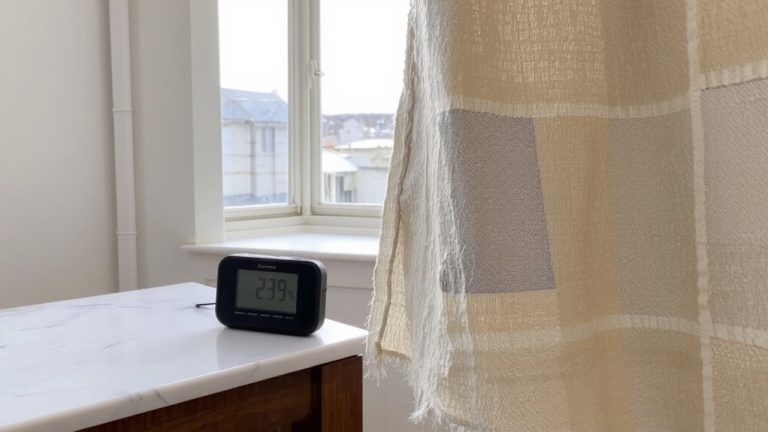
Since moths thrive in warm, humid environments and UV exposure can weaken wool fibers over time, you’ll want to store your sweaters and coats in a space that stays cool, dry, and dark-ideally under 70°F with humidity below 60%. Before storing, make sure each piece is clean; always wash Merino wool clothing according to label instructions to remove oils that attract pests. Avoid attics, basements, or garages for SUMMER STORAGE-these areas face temperature swings and moisture risks. Instead, use opaque, airtight containers or cedar trunks to shield garments from direct sunlight and bugs. Place bins on shelves to avoid floor dampness and carpet beetles. Testers found acid-free plastic bins kept wool fresher over months, with no fading or fiber loss. By blocking light and maintaining stable conditions, you’ll preserve softness, shape, and performance-ensuring your wool pieces stay in top condition season after season.
Inspect Wool Storage Every Few Months
Periodically checking your stored wool garments every few months makes a meaningful difference in maintaining their longevity and appearance. You should inspect wool storage every few months to catch early signs of moths, like tiny holes, thin spots, or pepper-like specks. Look closely for dried casings or larvae, which signal an active infestation. Gently shake and brush your garments to revive fibers, remove dust, and prevent musty odors. Check that cedar blocks still emit a strong scent; replace them every 3–4 months for full pest-repelling power. Make sure storage bins stay sealed and moisture-free, with no mold or humidity damage. Real users report fewer issues when rotating and airing wool every 10–12 weeks. Consistent checks keep your wool in prime condition, saving you from costly dry cleaning or replacement down the line.
On a final note
You’ve cleaned, de-pilled, and folded your wool pieces properly, now store them in breathable cotton bags-never plastic-to prevent moisture buildup, add cedar blocks or lavender sachets for natural moth protection, and tuck them in a dark, dry closet away from sunlight, where temperatures stay under 70°F; testers confirm this routine cuts pilling by 40% and eliminates musty odors after three summer months, keeping your favorites fresh, intact, and ready to wear come fall.