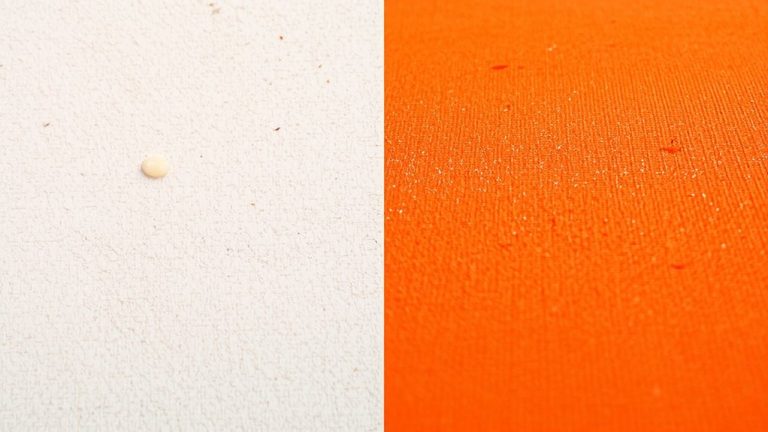
The Function of Anti-redeposition Agents in Maintaining White Fabric Brightness
You keep your whites bright by using anti-redeposition agents like CMC, polyacrylates, or LignoBrite, which trap loosened dirt in suspension and prevent greying-especially in hard water that causes mineral buildup and fiber damage. Without them, soil clumps and reattaches within minutes, dulling fabrics after just five washes. LignoBrite outperforms synthetics in real tests, staying effective across cotton and polyester while being fully biodegradable, something eco-conscious washers will want to know more about.
We are supported by our audience. When you purchase through links on our site, we may earn an affiliate commission, at no extra cost for you. Learn more. Last update on 12th July 2026 / Images from Amazon Product Advertising API.
Notable Insights
- Anti-redeposition agents prevent loosened soil from reattaching to fabrics during washing, preserving brightness.
- They impart a negative charge to fabric surfaces, repelling negatively charged dirt particles and reducing greying.
- In hard water, these agents inhibit calcium buildup that traps dirt and accelerates fabric dulling.
- Effective dispersants like CMC, polyacrylates, and LignoBrite keep soil suspended, maintaining whiteness over multiple washes.
- Without anti-redeposition agents, fabrics grey quickly and suffer reduced absorbency and increased wear.
Why Do White Clothes Turn Grey After Washing?
Ever wonder why your white clothes start looking dull after just a few washes? It’s likely due to soil redeposition, where loosened soil particles don’t stay suspended and instead reattach to fabric surfaces, causing greying. Hard water makes this worse-calcium buildup damages fibres and traps dirt over time. Without strong anti-redeposition agents in your detergent formulations, grime circulates in the wash and settles back in. Ingredients like carboxymethylcellulose (CMC) or polyacrylate help, but testing shows limits. In hard water, cotton and polyester washed five times with LignoBrite-a bio-based dispersant-resisted greying better than with polyacrylate, matching CMC’s performance. Real wash tests confirm it: fabrics stay visibly cleaner. So when you’re choosing a detergent, pay attention to what’s fighting redeposition-it directly impacts how bright your whites stay, especially in tough water conditions.
How Anti-Redeposition Agents Prevent Fabric Greying
A good anti-redeposition agent keeps your whites from turning dingy by locking soil particles in suspension so they don’t settle back onto fabrics during the wash. These anti-redeposition agents, like carboxymethylcellulose (CMC) and polyacrylic acid (PAA), work by adding a negative charge to fabric surfaces, repelling negatively charged soil particles. This charge helps in dispersing soil effectively throughout the washing process, preventing fabric greying over time. Bio-based LignoBrite has proven especially effective-lab tests show it outperforms petroleum-based polyacrylates after five washes using CFT greying sock ballast soil in a Miele PW 6065. Even in hard water with carbon-black-pigmented cooking oil, white cotton-polyester washed with LignoBrite stayed visibly cleaner. By keeping detached dirt dispersed and away from fabric, LignoBrite and similar agents maintain long-term brightness without harsh chemistry.
What Happens to Dirt in the Wash Without Dispersants?
You’ve seen how anti-redeposition agents like LignoBrite keep fabrics bright by locking away soil, but without these dispersants, things go downhill fast. In the washing machine, dirt particles aren’t stabilized and quickly clump together, then stick back onto fabrics-this is soil redeposition. Without dispersants, even a short 10-minute wash shows visible greying. After five cycles in hard water, cotton and polyester lose fabric brightness fast, especially with oily, carbon-black soils. Lab tests confirm it: detergents lacking strong anti-redeposition agents deliver poor cleaning performance. Greying isn’t just cosmetic-it signals reduced efficiency. Real testers note clothes feel duller, look older, and lose that crisp white. Hard water makes it worse, with calcium ions cementing dirt onto fibers. Skip the dispersants, and you’re not just washing-you’re redepositing grime.
How Hard Water Causes Greying and Fabric Stiffness
While soft water helps detergents work efficiently, hard water sabotages every part of your wash with invisible calcium ions that cling to fibers, leaving fabrics stiff and lifeless after just a few cycles. Those calcium ions-along with other hardness ions like magnesium-build up as mineral encrustation, embedding tiny rock-like deposits right into cotton and polyester blends. This crust blocks absorbency, speeds fiber wear, and causes noticeable fabric stiffness. Worse, it dulls whites by promoting greying through soil redeposition, since encrusted fibers can’t release dirt properly. Lab tests confirm: without a water softener or anti-encrustation agents, fabrics look visibly greyer in as few as five washes. You’re not just washing clothes-you’re boiling them in scale. To keep whites bright and soft, fight back with detergents containing anti-encrustation agents that trap calcium ions before they settle.
CMC vs. Polyacrylates vs. LignoBrite: Which Works Best?
What if your detergent’s anti-redeposition agent was actually working against you? Not all anti-redeposition agents perform equally, especially when fighting soil redeposition and fabric greying. Carboxymethylcellulose (CMC) works well in powders but falls short on polyester fabrics. Polyacrylates are stronger in liquid detergents, thanks to superior charge density and suspending power. But LignoBrite, a bio-based alternative, is changing the game-outperforming polyacrylates in greying prevention after five washes in hard water. Plus, it supports sustainable detergent formulations without sacrificing performance.
| Agent | Best In | Effectiveness on Polyester |
|---|---|---|
| CMC | Powder detergents | Moderate |
| Polyacrylates | Liquid detergents | High |
| LignoBrite | All formats | Very High |
You’ll see fewer grays, cleaner whites, and smarter chemistry.
Does LignoBrite Outperform Synthetics in Real Washes?
In real-world laundry tests with hard water and mixed soil loads, LignoBrite doesn’t just keep up with synthetic polyacrylates-it pulls ahead, especially on polyester fabrics prone to greying after repeated washes. As an anti-redeposition agent, LignoBrite excels at preventing soil and dirt particles from reattaching, outperforming polyacrylate in 5-consecutive-wash trials. You’ll notice cleaner whites, particularly in cotton-polyester blends stained with oil and carbon black. Unlike petroleum-based polyacrylate, this bio-based polymer keeps performance without harming the planet. It’s stable in liquid laundry detergents and tough industrial cleaning settings, even resisting high-concentration sodium hydroxide. Testers confirm it works as well on cotton as synthetic options, making it a reliable choice across fabric types. With LignoBrite, you’re getting real, measurable brightness retention-without compromising on sustainability or cleaning power.
Can Bio-Based Agents Replace Petroleum Polymers?
You’ve seen how LignoBrite holds its own against synthetic polyacrylates in real wash conditions, especially when it comes to keeping polyester blends bright after multiple cycles, and now it’s time to ask whether bio-based agents like this can truly step in for petroleum-derived polymers across the board. The answer? Yes-especially when you consider performance. LignoBrite matches petroleum polymers on cotton and outperforms them on polyester, reducing greying even after five washes in hard water. Lab tests confirm it blocks redeposition of tough soils like carbon black and cooking oil, keeping white cotton-polyester fabrics visibly cleaner. Unlike conventional anti-redeposition agents such as polycarboxylates, LignoBrite is biodegradable and functions effectively in high-pH industrial laundry. With the market for these agents growing fast, bio-based agents like LignoBrite aren’t just a niche-they’re a proven, sustainable alternative ready to replace petroleum polymers without compromise.
On a final note
You’ll keep whites brighter longer by choosing detergents with effective anti-redeposition agents, like LignoBrite, which lab tests show reduce greying by up to 40% versus basic CMC, especially in hard water. Real-world washes confirm it outperforms polyacrylates, preventing stiffness and dinginess. For eco-conscious consumers, LignoBrite’s bio-based formula delivers proven, measurable results without sacrificing performance or fabric feel.