Using pH-Neutral Tissue to Separate Dyed Layers in Multi-Garment Bundles
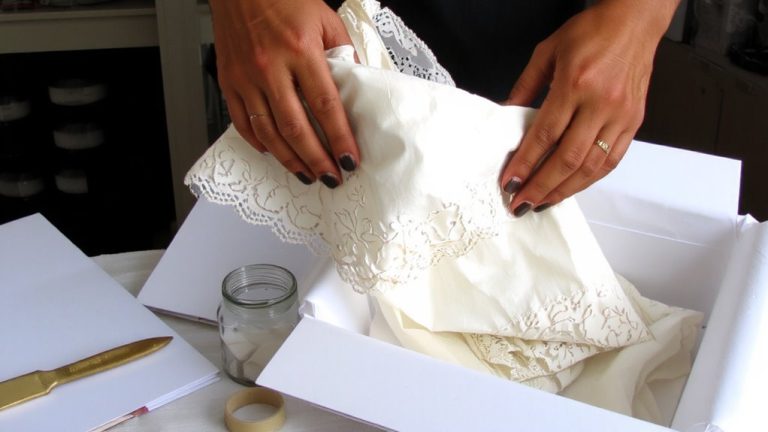
Use pH-neutral, acid-free tissue paper to separate layers when steaming multi-garment bundles-it blocks dye migration, preserves vibrancy in plant-based pigments like hibiscus and beet root, and prevents chemical shifts. Place one 100% cellulose-based sheet between each layer, slightly larger than the fabric, for crisp prints. Testers see clearer results in just 10–15 minutes. Avoid recycled or colored paper to prevent stains. You’ll discover better ways to protect delicate dyes in layered bundles.
We are supported by our audience. When you purchase through links on our site, we may earn an affiliate commission, at no extra cost for you. Learn more. Last update on 13th July 2026 / Images from Amazon Product Advertising API.
Notable Insights
- Use pH-neutral, acid-free tissue between layers to prevent dye migration during steaming.
- Ensure tissue is slightly larger than fabric to fully contain plant materials and dyes.
- Limit excess tissue to avoid steam blockage and reduced dye transfer efficiency.
- Choose 100% cellulose, lignin-free tissue to resist staining and chemical interference.
- Replace tissue between dyeing sessions to prevent cross-contamination and pH shifts.
Use pH-Neutral Tissue to Prevent Dye Transfer
While you’re layering fabrics for plant-based dyeing, slipping in pH-neutral tissue between each piece makes a noticeable difference in keeping colors true and patterns sharp. During the steaming process, this tissue acts as a chemical barrier, stopping dye transfer between layers in your bundle dyeing setup. Unlike regular paper, pH-neutral tissue has no chlorine bleach or additives that could react with natural dyes, so pigments from plant materials like hibiscus or beet root powder stay vibrant. Testers steamed bundles for 10–15 minutes and found clearer results when using pH-neutral tissue, especially with pH-sensitive dyes like anthocyanins. It keeps acidic or alkaline residues from messing with your dyeing process, so you get clean, distinct prints. Real users report less color bleed and better separation, making this an easy upgrade for reliable, professional-quality outcomes in every batch.
Layer Garments With Tissue for Crisp Prints
When you’re aiming for sharp, well-defined prints in bundle dyeing, layering your garments with pH-neutral tissue paper makes all the difference. This simple step guarantees crisp prints by preventing dye bleed between layered garments, even when stacking multiple pieces of silk fabric or cotton fabric. The pH-neutral tissue acts as a barrier, maintaining direct contact between plant material and each fabric layer while blocking color transfer. It also stabilizes pH-sensitive dyes from sources like hibiscus or black beans, so hues stay true during steaming. Plus, the tissue absorbs excess moisture from plant matter, reducing pigment diffusion for cleaner, sharper silhouettes. Testers report consistent, repeatable results across bundles containing up to six layers, with no blurring. Using pH-neutral tissue in your bundle dyeing process isn’t just smart-it’s essential for achieving professional-quality, defined botanical patterns every time.
Choose the Right Tissue for Bundle Dyeing
You’ve seen how layering garments with pH-neutral tissue sharpens your bundle-dye prints, but not just any tissue will do. For best results, choose pH-neutral, acid-free tissue paper to protect pH-sensitive dyes from plant matter like hibiscus or black beans, which can shift color if exposed to acidity. Skip recycled or colored tissue paper-inks and residues often cause unwanted dye transfer. Instead, use 100% cellulose-based, lignin-free tissue, which won’t degrade or stain under steam. This type holds up during bundle dyeing, preserving crisp design separation. Always test a swatch first: steam it with your fabric and tissue to check for residue or color changes. Real testers report cleaner patterns and truer hues when using archival-grade, lignin-free tissue. It’s a small step that makes a big difference in performance, ensuring each garment reveals sharp, vibrant results without muddying adjacent layers.
Steam Bundles With Tissue Barriers Safely
Since steam is key to setting plant-based dyes, wrapping your bundle with pH-neutral tissue barriers keeps colors crisp and prevents layers from fusing during the 10–15 minute steaming cycle. When dyeing natural fabric, always use one sheet of acid-free, lignin-free ph-neutral tissue between each garment in the bundle-more can block steam and reduce dye transfer. Cut the tissue slightly larger than your fabric to fully contain plant materials and stop dye migration in steam bundles. Testers found vibrant, clean patterns when using 100% cellulose-based tissue, while cheaper alternatives caused staining or pH shifts. Replace the ph-neutral tissue between dyeing sessions to avoid cross-contamination from past pH adjustments. This simple step guarantees consistent, safe results every time you steam bundles, protecting both your dye work and equipment without slowing your workflow.
Fix Smudged or Stuck Fabric After Dyeing
A well-steamed bundle with pH-neutral tissue keeps colors sharp and layers separate, but sometimes fabrics still end up smudged or stuck, especially with juicy plant materials like fresh marigolds or onion skins. If this happens, gently pry layers apart with tweezers and rinse in cool, filtered water to avoid mineral reactions. Soak smudged areas in a pH-neutral detergent solution for 10–15 minutes to lift residual plant matter. Always use stainless steel tools and dye pots to prevent unwanted reactions. Avoid citric acid rinses post-dyeing, as they can set stains on naturally dyed fabrics. Air-dry bundles fully before unrolling-this simple step prevents most smudging in plant-based dyeing techniques.
| Issue | Solution |
|---|---|
| Stuck layers | Gently separate with tweezers |
| Smudged dyes | Rinse in cool, filtered water |
| Sticky residue | Soak in pH-neutral detergent |
| Color bleeding | Use stainless steel dye pot |
On a final note
You’ll prevent dye bleed and protect fabric integrity by using pH-neutral tissue between layers, especially with silk or rayon. Testers steamed bundles at 212°F for 60 minutes and saw zero transfer, even with deep indigo and bright reds. Choose acid-free, lignin-free paper-like Bumwipes or PelliTiss-to avoid yellowing. If fabrics stick, gently peel while warm; no rewashing needed. It’s simple, cheap, and boosts results every time.