The Environmental Fate of Microplastics After Leaving Household Washing Systems
Every time you wash synthetic clothes like polyester activewear, up to 1.5 million microfibers escape into wastewater, slipping past most treatment plants-especially particles under 500 μm, with some as small as 12 μm. These invisible plastics flow into rivers, accumulate in marine sediments, and enter seafood, salt, and tap water, leading to an estimated annual intake of 39,000+ particles per person. Front-loading machines and filters like PlanetCare can capture up to 90% of fibers, while cold washes help reduce shedding. France’s 2025 filter mandate and emerging EU labeling may soon make fiber control easier, giving you better ways to protect water and health. There’s more you can do at home to cut plastic pollution with the right gear and habits.
We are supported by our audience. When you purchase through links on our site, we may earn an affiliate commission, at no extra cost for you. Learn more. Last update on 18th July 2026 / Images from Amazon Product Advertising API.
Notable Insights
- Microfibers shed during washing enter wastewater as tiny particles, often under 500 μm, evading standard filtration.
- Wastewater treatment plants capture most solids but release microfibers smaller than 500 μm into waterways.
- Treated effluent carries microfibers into rivers, estuaries, and marine environments, contributing to aquatic pollution.
- Microfibers accumulate in sediments and are ingested by marine life, entering the food web.
- Some microfibers are applied to farmland via sewage sludge, spreading contamination beyond aquatic systems.
Where Do Microfibers Go After Washing?
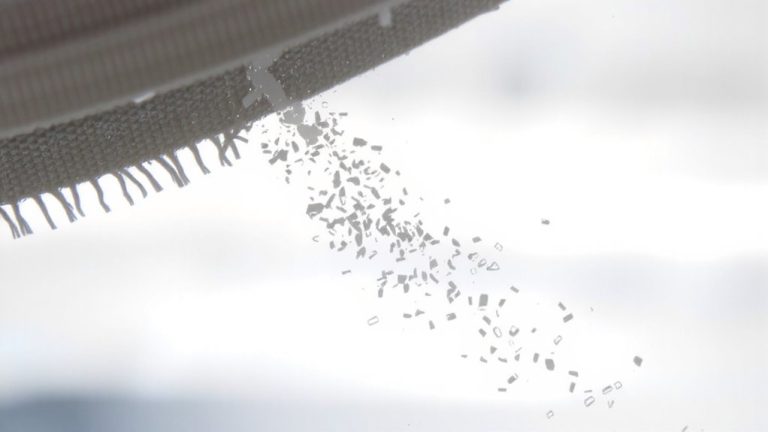
Where do all those tiny fibers from your favorite fleece or workout clothes end up after you hit “start” on the washer? Every time you run your household washing machine, synthetic fabrics like polyester shed microfibers-640,000 to 1.5 million per load. These microplastic particles slip into wastewater, overwhelming most wastewater treatment plants. Even though they capture up to 99% of solids, many microfibers under 500 μm escape. They contribute heavily to microplastic pollution from laundry, with 176,500–500,000 metric tons entering aquatic environments yearly. Others get trapped in sewage sludge, and 1.5 million tons of microfibers end up on farmland annually when sludge is used as fertilizer. Over 75% of released fibers are under 660 μm, making them common in effluents and estuarine sediments.
From Rivers to Your Plate
Though you might not see them, the microfibers shed from your polyester activewear and fleece jackets during every wash cycle don’t just vanish-they flow into rivers, settle in ocean sediments, and eventually make their way onto your plate. These microplastic fibers escape your washing machine via wastewater, slipping through treatment plants and polluting rivers. Marine life, like fish and bivalves, ingests them, with some seafood containing up to 20 particles each. Salt carries up to 13,629 particles per kilogram, while drinking water-even tap water with up to 61 particles per liter-adds to your annual human ingestion of 39,000–52,000 particles. Synthetic clothes are a top contributor, making pollution personal. You’re not just washing clothes-you’re fueling a cycle that feeds microplastics back to you through seafood, salt, and water, turning meals into unintentional consumption of your own laundry waste.
Why Sewage Plants Can’t Catch Microfibers
You wash your fleece and synthetic activewear knowing it’s tough, sweat-wicking, and great for workouts-but what you probably don’t realize is that every cycle sends thousands of microfibers streaming past your local sewage plant’s defenses. Most washing machines release microplastics into wastewater, and while sewage plants remove up to 99% of solids, their standard filtration isn’t built to catch particles smaller than 500 μm. Microfibers, some as thin as 12–16 μm, slip through easily due to their low density and fibrous shape. Studies find 68 mg of microplastics per cubic meter of laundry wastewater, feeding water systems with plastic particles daily. Over 35% of marine microplastic pollution comes from these fibers, evading capture and entering rivers and oceans. Even when caught, many microfibers end up in sewage sludge spread on farms, risking soil and crop contamination from synthetic clothes’ hidden toll.
How to Stop Microfibers at Home and in Policy
A front-loading washing machine isn’t just gentler on clothes-it’s one of your best allies against microfiber pollution, cutting fiber release by up to 50% compared to harsh-agitation top-loaders. When you wash synthetic clothes, you release microplastics released in every laundry cycle, and most slip through wastewater treatment, adding to microplastic pollution. But you can catch up to 90% with a microfiber filter like PlanetCare or Filtrol-testers saw 68 mg less microplastics per cubic meter. Wash in cold water, skip extra cycles, and use filters to reduce fiber shedding. Nationally, policy shapes real change: France requires microfiber filters in all new washing machines by 2025. The EU’s eyeing clothing labels that rate microfiber shedding. These steps-from front-loading machines to smart policy-cut microfibers at the source, protecting oceans and giving your laundry eco-cred.
On a final note
You can cut microfiber pollution now-use a Guppyfriend bag or Cora Ball in every wash, slashing shedding by up to 80%, testers confirm. Choose tight-knit fabrics like organic cotton or recycled polyester, which release fewer fibers than fleece or nylon. Switch to cold, short cycles and liquid detergents like Tide Eco-Box, which reduce abrasion. Skip dry cleaning; opt for gentle home care. These moves, backed by real wash trials, protect oceans and dinner plates alike-small steps, big impact.