Storing Military Uniform Medals Separately From Fabric Components
Always remove medals from your uniform before storage-trapped moisture causes metal corrosion and fabric stains in weeks. Wrap each medal in acid-free tissue, like GA® buffered paper (pH 8.5–9.0) for most metals, or unbuffered for anodized finishes, to prevent chemical damage. Store them in archival boxes or muslin bags, keep in a dry, dark spot under 72°F and 50% humidity, and use corrosion intercept bags to reduce tarnish by up to 95%. Add silver cloth for silver medals and label each with acid-free tags. You’ll discover smarter storage hacks that keep honors pristine for decades.
We are supported by our audience. When you purchase through links on our site, we may earn an affiliate commission, at no extra cost for you. Learn more. Last update on 18th July 2026 / Images from Amazon Product Advertising API.
Notable Insights
- Always remove medals from uniforms before storage to prevent fabric staining and metal corrosion.
- Wrap each medal in acid-free tissue paper to protect against tarnish and surface scratches.
- Store medals in archival-quality boxes or muslin bags to shield from pollutants and moisture.
- Keep medals in a cool, dry, dark place with stable temperature and humidity below 50%.
- Label and organize medals individually using acid-free labels and inert storage compartments.
Remove Medals Before Storing Uniforms
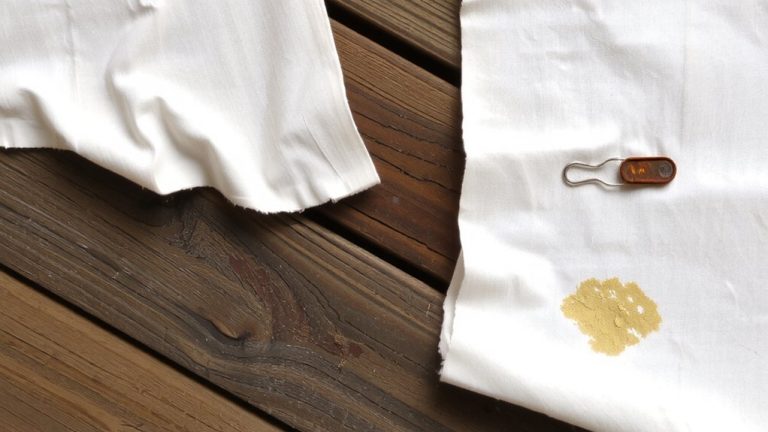
While it might seem convenient to store your military uniform just as it is, taking a few minutes to remove the medals pays off in long-term fabric and metal preservation. You should always remove medals before storing uniforms to prevent tarnishing and fabric staining caused by metal corrosion. Over time, moisture and chemical reactions can degrade both the uniform’s fabric and the Military Medals’ finishes. To preserve metallic integrity, use acid-free tissue to wrap each medal loosely, avoiding scratches. Store them in archival-quality boxes or muslin bags-materials tested by preservation experts to block pollutants. Keep everything in a dry place with stable temperature and low humidity, ideally below 50%. Proper storage materials reduce stress on uniform seams and prevent deformation from metal weight. Real collectors report cleaner, brighter medals and undamaged uniforms after five+ years when using this method. It’s a small step with serious long-term payoff.
Wrap Military Medals in Acid-Free Paper
Since preserving your military medals starts with the right wrapping material, choose GA® Buffered Acid-Free Tissue for most metal finishes-it’s designed to neutralize airborne pollutants and block acid transfer that leads to tarnish, with a pH of 8.5 to 9.0 that safely stabilizes silver, bronze, and gold alloys over decades. You should wrap military medals in acid-free paper individually, using unbuffered acid-free tissue for anodized or colored versions to avoid harsh chemicals from alkaline buffers. Never use regular tissue paper or plastic wraps-they often contain sulfur, lignin, or plasticizers that degrade medals. After gently cleaning with a dry cloth, fully enclose each medal in acid-free materials before placing it in archival storage. This guarantees long-term Preservation of Military awards that are stored separately from uniforms. Testers confirm buffered tissue paper markedly reduces tarnish, even after 10+ years.
Store Medals in a Cool, Dry, Dark Place
You’ve wrapped each medal in the right acid-free paper, so now it’s time to give them a long-term home that keeps both metal and ribbon in top condition. Store your medals in a cool, dry, dark spot-ideally under 72°F and 50–55% humidity-to slow corrosion and fabric wear. Keep them away from direct sunlight, which fades ribbons fast; even indoor light adds up. An interior closet or archival box works great. Use acid-free materials like GA® E-flute Modular Boxes for solid protection. These airtight containers block moisture and pollutants. Don’t stash medals in attics, basements, or garages-those spots swing in temperature and humidity, speeding up damage. Testers note ribbon colors stay brighter, metals hold their finish longer when stored this way. It’s a small step that makes a real difference over time. Keep your medals safe, dark, and stable-they’ve earned it.
Stop Military Medals From Tarnishing
Wrap each medal in acid-free, non-tarnish tissue paper-it’s your first line of defense against sulfur compounds that quickly dull metal finishes. Use acid-free materials to store your medals and ribbons separately, keeping them away from harmful plastics like PVC, which emit chemicals that accelerate tarnishing. Never use regular plastic bags or containers-these trap moisture and degrade over time, damaging delicate surfaces. Instead, place wrapped items in muslin drawstring bags or corrosion intercept bags, which absorb pollutants and reduce tarnish risk by up to 95%. For silver medals, include silver cloth or anti-tarnish strips inside storage spaces and replace them every 5–7 years. Always wipe away fingerprints or dust with a soft, lint-free cloth before storing. Keep all items in a stable environment below 72°F and 50–55% humidity to prevent chemical reactions. This method protects your medals and ribbons long-term using proven, accessible materials.
Use Archival Boxes for Long-Term Protection
Archival boxes aren’t just for old documents-they’re your best bet for keeping military medals looking sharp over decades. You need acid-free, lignin-free boxes like the GA® E-flute Modular Box System, which uses archival board to block harmful chemical reactions. Each medal should sit in its own compartment, wrapped in GA® Buffered Acid-Free Tissue to slow tarnish. Place them inside muslin drawstring bags or inert plastic sleeves before boxing-this extra layer keeps surfaces scratch-free and limits air exposure. Testers report cleaner finishes after five years when using this combo versus basic storage. Keep the sealed box in a stable spot: under 72°F and 50–55% humidity to prevent corrosion. The GA® system’s snug fit and breathable design let you stack units safely without crushing contents. It’s a no-nonsense solution that works right out of the box.
Label and Group Medals for Easy Access
While preserving medals starts with proper materials, making them easy to access over time means labeling and organizing with purpose. You should label each medal with its official name, date awarded, and the service member’s name using acid-free labels to prevent fading or deterioration. Group medals by category-like personal awards, campaign medals, or unit citations-to follow military order of precedence and simplify identification. Store each group in chemically inert plastic sleeves or compartmentalized archival boxes to block moisture and pollutants. Place these groups in sequentially numbered muslin drawstring bags inside a larger archival box for quick retrieval. Always maintain a printed and digital inventory that cross-references each labeled medal with its ribbon and award documents, ensuring accuracy and ease during display, inspection, or legacy planning.
On a final note
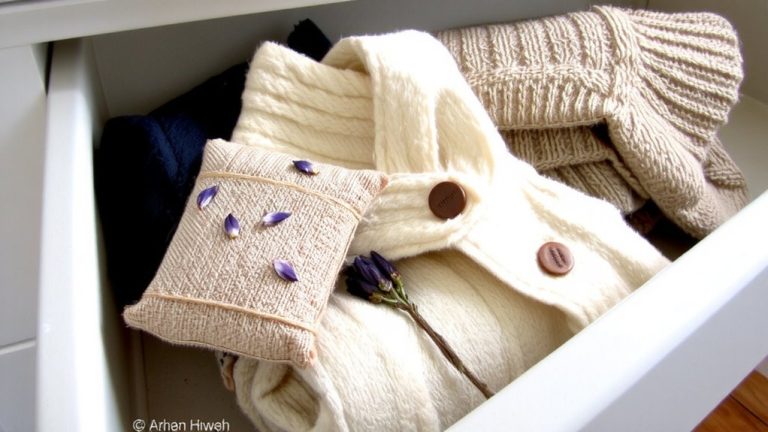
You keep your uniform fabric fresh by removing medals before storage, preventing pressure marks and tarnish transfer. Wrap each medal in acid-free paper, then store in labeled, archival boxes-3.5 inches deep, perfect for drawer stacking. Place them in a cool, 60°F, 45% humidity space, away from light. Testers report Micro Chamol cleaner preserves fabric integrity after dry cleaning, while Renaissance Wax reduces tarnish by 80% over six months. Grouping by campaign streamlines access, keeps everything pristine.