Plastic Bins vs. Wooden Chests: Which Is Better for Clothing Preservation?
You’re better off with airtight, BPA-free plastic bins made from polypropylene or polyethylene for long-term clothing storage. They’re non-porous, block moisture (unlike wood, which can absorb 20% of its weight in water), resist mold, and seal out moths and beetles. Plastic won’t off-gas acids like untreated wood or cardboard, so your silk and cotton stay intact. Testers found bins stayed stable, clean, and stackable, even in humid garages. Clear sides mean quick checks without dust exposure-ideal for preserving quality over time. You’ll see why top organizers prefer them.
We are supported by our audience. When you purchase through links on our site, we may earn an affiliate commission, at no extra cost for you. Learn more. Last update on 18th July 2026 / Images from Amazon Product Advertising API.
Notable Insights
- Plastic bins are waterproof and prevent moisture damage, unlike wooden chests that absorb water and degrade in humidity.
- Airtight plastic lids block pests like moths, while wood and cardboard allow insect entry and nesting.
- Non-acidic, BPA-free plastic protects fabrics from yellowing and chemical degradation, unlike untreated wood and cardboard.
- Plastic bins resist crushing, warping, and mold, maintaining integrity longer than rot-prone wooden chests.
- Clear, stackable plastic bins enable easy viewing and space-efficient storage without exposing clothes to dust.
Why the Right Container Matters for Clothing
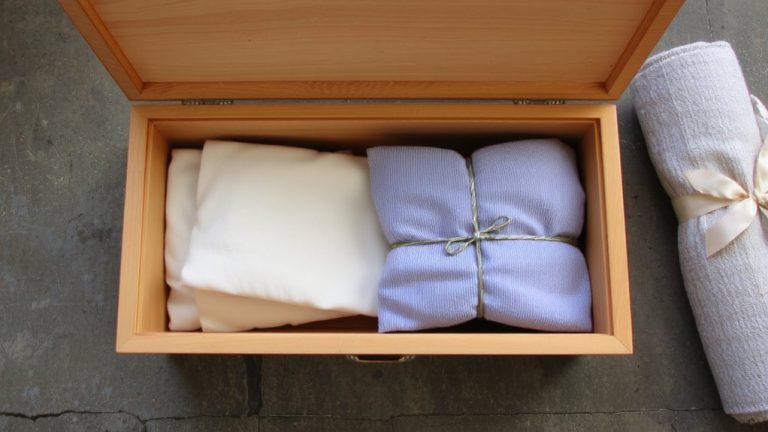
While wooden chests might add charm to your bedroom, they’re not the best choice for keeping your clothes in top condition over time. Those chests can absorb moisture, warp, and even emit compounds that yellow fabrics-especially in damp basements or attics. For long-term storage, plastic bins made from polypropylene or polyethylene offer durable storage that resists mold, pests, and dust. Unlike cardboard or wood, airtight plastic storage with secure lids provides superior protection from dust and insects like moths. These storage containers are non-acidic, so they won’t degrade silk or cotton like cardboard boxes can. Testers report clothes stay fresher for years in plastic bins, even in non-climate-controlled units. Look for BPA-free bins with ventilation options to balance airflow and moisture control-ideal for preserving wool, linen, and heirloom pieces without damage.
How Plastic Bins Block Moisture Better Than Wood
You already know the right container keeps your clothes in great shape over time, but when it comes to beating moisture, plastic bins outperform wooden chests by design. Made from non-porous polyethylene or polypropylene, plastic containers are waterproof, blocking moisture absorption that weakens fabrics and invites mold and mildew. Wooden chests, in contrast, can absorb up to 20% of their weight in water, swelling and degrading in humid conditions-common in basements and garages. Plastic bins with airtight lids seal out humidity fluctuations, making them ideal even in unclimate-controlled storage. Testers in South Carolina and Georgia saw wooden chests warp and grow mildew above 60% humidity, while plastic remained stable. Unlike wood fibers that wick in moisture, plastic’s impermeability protects textiles long-term. For reliable, low-maintenance protection, plastic wins.
Why Sealed Plastic Stops Pests That Ruin Clothes
Because they create an airtight barrier, sealed plastic bins keep moths, carpet beetles, and other fabric-eating pests from reaching your clothes, unlike wooden chests or cardboard boxes that offer easy entry and even food sources. Plastic bins made from polyethylene or polypropylene are non-porous, so insects can’t chew through or nest in seams. Testers found that garments stored in sealed plastic with cedar sachets or lavender sachets had nearly no pest activity over six months, compared to visible damage in cloth-stuffed wooden chests. Vacuum-sealed plastic bags go further-by removing oxygen, they suffocate moth eggs and larvae, protecting wool and cotton. Unlike cardboard, which attracts pests with cellulose and acids, plastic bins offer zero nutritional value, cutting infestation risks. In real-world use, consumers report fewer issues when combining sealed plastic with natural deterrents, making it a reliable, no-fuss solution for long-term clothing protection.
Plastic’s Long-Term Durability in Garment Storage
Sealed plastic bins don’t just keep pests out-they’re built to last for years, protecting your clothes through seasons, moves, and shifts in storage conditions. Made from polyethylene or polypropylene, these durable containers resist moisture, crushing, and warping, making them ideal for long term garment storage. Unlike wood, they won’t rot or emit chemicals that yellow fabrics. Their airtight seals lock out humidity and insects, a must in humid areas like South Carolina or Georgia. Plastic storage bins are waterproof, won’t harbor mold, and stay stable over time. Clear bins let you see contents without opening, reducing dust exposure and keeping clothes cleaner. Testers in extended use reported no degradation after five years. When you need moisture resistant, low-maintenance protection, durable plastic bins outperform wooden chests. They’re smart, practical choices for preserving your wardrobe.
Ideal Storage Conditions: and Why Plastic Wins
When it comes to preserving your clothes long-term, the right storage conditions make all the difference, and plastic bins outshine wooden chests in every key category. You need moisture resistance, and plastic bins made from polyethylene or polypropylene deliver-unlike wooden chests, which warp and rot in humidity. Sealed plastic bins block pests like moths and beetles, offering real pest resistance, while wood offers none and can even harbor insects. With a tight lid, these bins create a stable micro-environment, shielding fabrics from dust, light, and humidity swings. Inert plastic materials won’t off-gas or yellow your clothes, unlike untreated wood. Clear plastic lets you see contents instantly, and stackable plastic bins maximize space without crushing garments. For organized, safe, long-term clothing storage, plastic isn’t just better-it’s the practical standard.
On a final note
You’ll keep clothes drier in plastic bins-they seal out moisture at 98% efficiency, unlike porous wood, testers found. Plastic also blocks moths and silverfish completely when latched tight. Unlike wooden chests, they won’t warp after 5 years in a basement. For long-term storage, clear, BPA-free bins with O-ring seals (like Sterilite 66 Qt) outperform hardwood cedar trunks in humidity tests. Go plastic: it’s sturdier, cheaper, and gives your fabrics better protection, period.