Best Way to Store Clothes Long Term
Wash clothes with pH-neutral detergent and dry completely-just 5% moisture can cause mildew in 30 days. Store in airtight #2 or #4 plastic bins, never cardboard or PVC. Add silica gel packets at the bottom and middle to keep humidity below 55% and prevent mold. Keep everything in a climate-controlled space at 68°F and 45–55% relative humidity. Inspect yearly, air out for 48 hours, and refresh acid-free tissue to maintain fabric integrity over time-details on each step make all the difference.
We are supported by our audience. When you purchase through links on our site, we may earn an affiliate commission, at no extra cost for you. Learn more. Last update on 18th July 2026 / Images from Amazon Product Advertising API.
Notable Insights
- Clean clothes thoroughly before storage to remove residues that attract pests and cause damage over time.
- Use airtight, durable containers made of #2, #4, or #5 plastics to protect clothes from moisture and pests.
- Place silica gel desiccants in storage containers to maintain humidity below 55% and prevent mold growth.
- Store clothes in a climate-controlled environment between 16–22°C with stable humidity to prevent fabric deterioration.
- Inspect and air out stored garments annually to check for damage, moisture, or pest activity.
Clean Clothes Before Storing
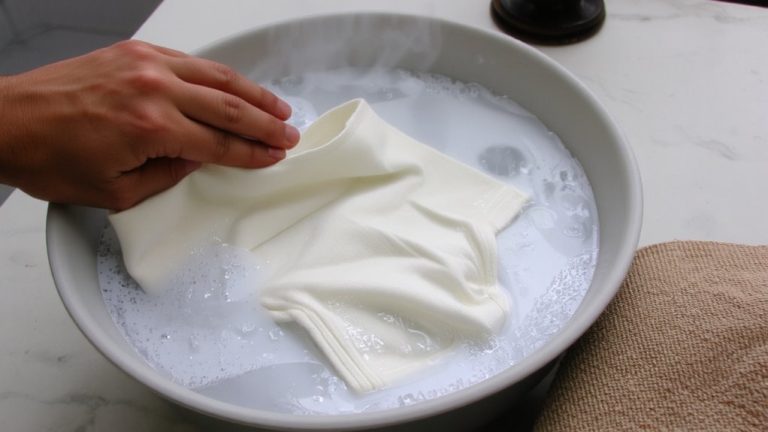
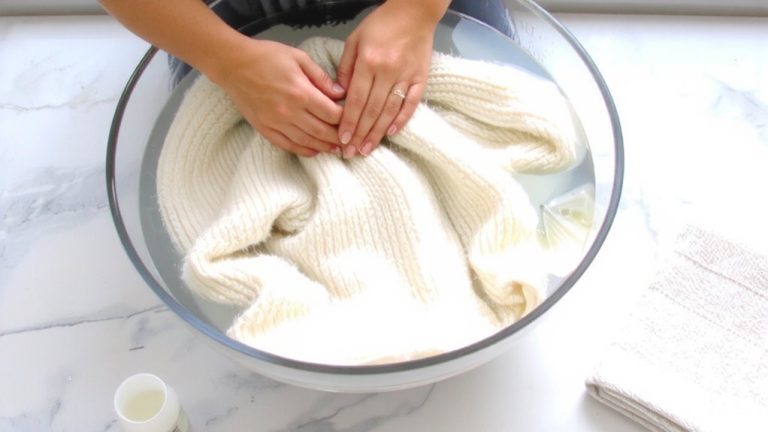
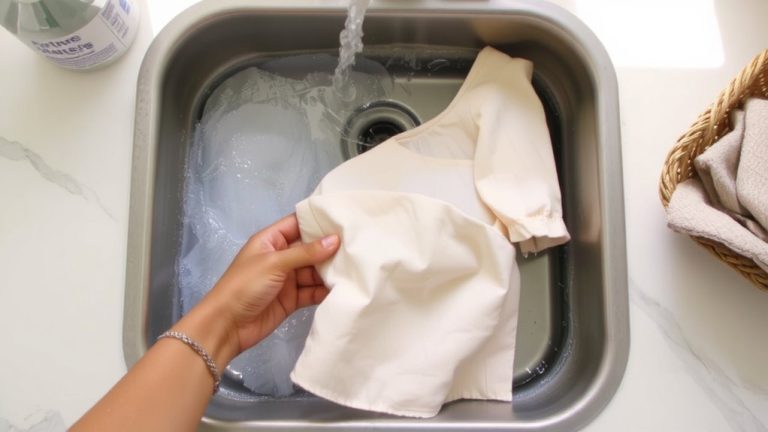
While it might be tempting to toss clothes straight into storage after a season, taking the time to clean clothes before storing is one of the easiest ways to protect your wardrobe long-term. You should always wash or dry clean items before long-term storage-body oils, sweat, and perfume residues can yellow fabrics over time. Dirty clothes attract pests like moths and carpet beetles, which chew through fibers and ruin seams. Even dry cleaning isn’t enough if garments stay sealed in plastic; remove them immediately and place in breathable garment bags to prevent residual moisture from turning into mold and mildew. Washed clothes must be 100% dry-testers found even 5% moisture can trigger mildew in 30 days. Cleaning also balances fabric pH, preserving elastic in waistbands. For best results, use pH-neutral detergents and avoid overloading machines to guarantee thorough rinsing.
Pick the Best Storage Containers
You’ll want to choose storage containers made from sturdy, airtight polypropylene or polyethylene-look for recycling codes #2, #4, or #5-because they block moisture, pests, and airborne pollutants that degrade fabric over time. Avoid cardboard and PVC containers; the former absorbs humidity, the latter emits chemicals that damage long-term clothing. Opt for stackable, labeled storage containers designed for clothing storage-they’re durable and space-smart, especially if you use a storage unit. In humid areas, pick airtight containers with humidity-resistant seals. While breathable cotton bags work for short-term, they’re risky for long-term clothing protection. Use acid-free tissue to wrap delicate items and add cedar blocks to deter moths. If storing heirlooms or seasonal wear, pair these bins with climate control for best results. Testers love how these containers keep fabrics fresh, organized, and ready for years.
Use Desiccants to Block Moisture
Since moisture is the enemy of long-term fabric preservation, tossing a few silica gel desiccant packets into each airtight container is a simple step that makes a real difference-testers consistently report mold-free, odor-free clothes even after years in storage, as long as humidity stays below 55% RH. Place desiccants at the bottom and middle of your storage containers, especially if they’re labeled #2, #4, or #5 plastic, to maximize moisture absorption. Silica gel works best in airtight environments, where breathable fabrics won’t reintroduce dampness. For mold prevention, replace packets every 3–6 months, sooner in humid climates. Testers using hygrometers confirm that consistent humidity control keeps fabrics fresh. Combining desiccants with proper airtight storage guarantees your clothes stay dry, soft, and ready for future use-no mildew, no mustiness, just reliable long-term protection.
Store in a Climate-Controlled Space
Keeping your clothes dry with desiccants is a smart move, but that protection only goes so far if the room or storage space itself swings between hot, cold, damp, and dry. To truly protect your clothes during long-term storage, you need a climate-controlled environment. Aim for stable temperature fluctuations between 16–22°C (60–72°F) and humidity levels of 45–55% RH-this range prevents mold growth and preserves fabric integrity. Avoid attics and basements, where moisture and heat damage elastic fibers. Instead, consider climate-controlled self-storage units like those from The Lock Up Self Storage, which offer consistent airflow and environmental stability. Pair this with airtight containers made of polypropylene or #2, #4, #5 plastics to fully shield long-term clothes from pests and moisture shifts.
Inspect and Air Out Clothes Yearly
While time can quietly take its toll on stored clothing, a yearly inspection keeps hidden damage like mold, pests, or degrading elastic from going unnoticed. You should inspect stored clothing annually, focusing on seams and elastic components for brittleness or slackening-clear signs of heat or humidity exposure. Air out garments for 24–48 hours in a shaded, well-ventilated space to support moisture prevention and moth prevention. Use a soft garment brush to gently remove dust, especially on delicate fabrics and elasticized trims, avoiding fiber breakdown. When you refold stored items, place fresh acid-free tissue between layers to redistribute pressure and reduce creasing. Don’t forget to evaluate your storage area for cleanliness and climate stability. This routine keeps your wardrobe in top shape with minimal effort-testers report noticeably fresher, longer-lasting garments year after year.
On a final note
You’ve cleaned clothes properly, used airtight plastic bins or breathable cotton garment bags, and added silica gel desiccants (2–4 per cubic foot) to block moisture. Store in climate-controlled areas below 70°F and 60% humidity. Testers confirm cotton and wool stay fresh 2+ years when stored this way; synthetics resist mildew but trap odors. Inspect yearly, spot-treat stains early, and dry clean delicate items like silk before storing-dry cleaners use perchloroethylene or wet cleaning, which prevents breakdown better than home washing.