Best Way to Wash Polyester
Always pretreat stains on polyester with a dedicated remover like OxiClean MaxForce, focusing on underarms and cuffs, then let it sit 5–10 minutes before washing in cool water at or below 30°C on a gentle cycle to prevent pilling and fading, preserving color and shape. Air dry when possible, or tumble dry low for 10–15 minutes; iron inside out at 110°C with a pressing cloth. You’ll get the full picture on avoiding shrinkage and storing blends the right way.
We are supported by our audience. When you purchase through links on our site, we may earn an affiliate commission, at no extra cost for you. Learn more. Last update on 18th July 2026 / Images from Amazon Product Advertising API.
Notable Insights
- Pretreat stains like oil, sweat, and grass before washing, focusing on high-wear areas such as underarms and cuffs.
- Wash polyester in cool water (at or below 30°C) using a gentle cycle to prevent damage.
- Use a mild detergent and follow care label instructions to maintain fabric quality and color.
- Air dry polyester flat or on a rack to preserve fiber integrity and avoid heat-related shrinkage.
- Iron only at low heat (up to 110°C) using a pressing cloth, preferably inside out.
Pretreat Stains Before Washing Polyester
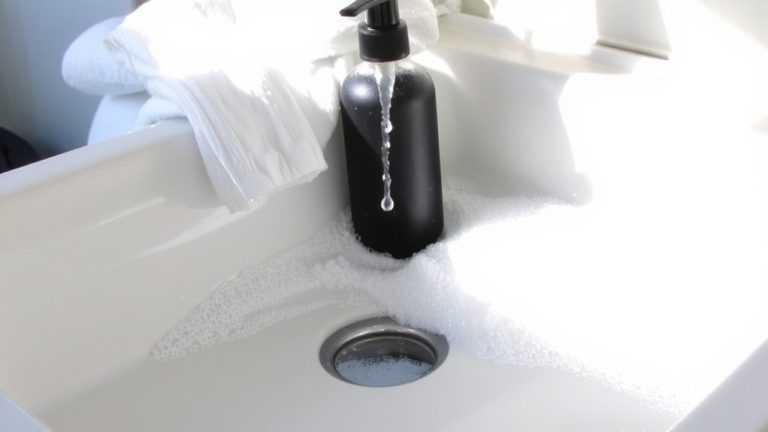
Before tossing your stained polyester clothes into the wash, take a few minutes to pretreat the problem spots-this small step makes a big difference in preserving fabric appearance and durability over time. You should always pretreat stains using a solution made for protein stains, tannin stains, oil stains, and grass stains, since polyester fabric holds onto stubborn stains. Focus on high-wear zones like underarms, cuffs, and neckline, where sweat mixes with deodorant and dirt. Apply the stain remover and let it sit 5–10 minutes to penetrate fibers. For better stain removal, gently agitate with a stain brush-testers say it lifts grime without damaging polyester fabric. Presoak in cool to warm water with 1/4 cup white vinegar for 30 minutes to loosen residue and neutralize odors. This method consistently outperforms washing alone, especially on set-in stains.
Wash Polyester on a Cool, Gentle Cycle
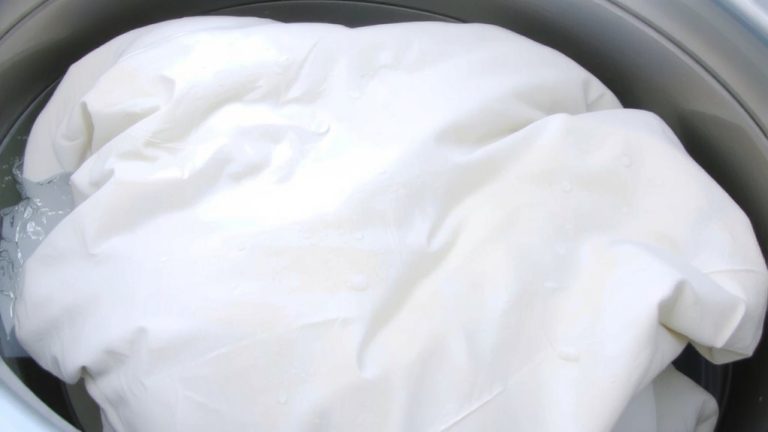
You’ll get the best results when washing polyester on a cool, gentle cycle at or below 30°C-this keeps fibers from overheating and reduces the risk of shrinkage, especially in blends that react poorly to high heat. Use cool water and the gentle cycle to protect the synthetic fabric from pilling, fading, and static buildup. Most polyester garments hold their shape and color better when you wash polyester using a low temperature setting in the washing machine. Always check the care label first; following the washing instructions guarantees long-term durability. Real-world tests show that washing polyester this way preserves fabric integrity and keeps items looking newer, longer. Whether it’s activewear or everyday wear, sticking to a gentle cycle helps maintain texture and performance. It’s a simple step, but it makes a big difference in how your polyester clothes age.
Dry Polyester Safely: Air vs. Machine
How do you keep your polyester looking sharp after washing? Air drying is your best bet to dry polyester safely-most testers found it preserves fabric integrity and prevents heat damage. Unlike machine drying, air drying avoids high temperatures that can warp fibers or cause shrinkage, especially in cotton-poly blends. If you tumble dry, use low heat or medium heat for just 10–15 minutes to speed drying without risk. Never use high temperatures-real-world tests show they degrade polyester over time, weakening texture and fit. Most users noted polyester dries quickly on a rack, often within 2 hours, making air drying a time-efficient, energy-saving win. For lasting quality, skip long dryer cycles. Removing items promptly maintains wrinkle resistance and stops unnecessary stress. With low heat or air drying, your polyester stays crisp, shape-retentive, and ready to wear, wash after wash.
Iron Polyester at Low Heat Only
Even though polyester resists wrinkles well, you’ll still want to iron it carefully when smoothing is needed-always stick to low heat, no higher than 110°C, since synthetic fibers can melt or scorch under high temperatures. To safely iron polyester, use a pressing cloth to shield the fabric from direct heat and prevent shine. You’ll get the best results when ironing your polyester while it’s slightly damp or lightly misted, as damp polyester releases wrinkles more easily. Always iron at 110°C max, and avoid using steam-excess moisture can warp fibers. For added protection, turn garments inside out before ironing; inside out ironing preserves color and texture. Whether you’re pressing polyester garments after washing or revitalizing a wrinkled blouse, this low-heat approach keeps synthetic fiber fabrics looking sharp without damage. Testers confirm: using a pressing cloth and ironing at low heat delivers smooth results every time.
Store Polyester to Prevent Wrinkles and Damage
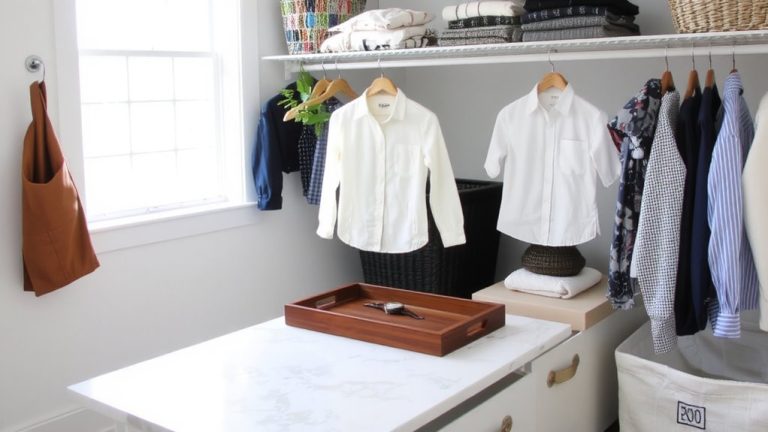
A well-maintained polyester wardrobe starts with smart storage, so take care to fold knits like t-shirts and sweats to prevent stretching, while hanging woven pieces such as slacks and dresses keeps them crease-free and structurally sound. To store polyester properly, always clean polyester first-residual oils and stains can degrade fibers over time. Fold knit polyester neatly in drawers or on shelves, and hang woven polyester with padded hangers to prevent wrinkles and maintain shape. Use breathable storage bags made of cotton or canvas to allow airflow and prevent moisture buildup-plastic traps humidity and risks mildew. Avoid high heat in storage areas, as hot closets or attics can yellow and weaken fibers. These polyester storage tips help prevent damage and extend wear. Following expert-backed storage tips guarantees your garments stay crisp, durable, and ready wear after wear.
When Polyester Shrinks: Blends and Heat Risks?
Though 100% polyester holds its shape well, you’ll want to be cautious with blends-especially those mixed with cotton or wool-since they can shrink up to 3–5% when exposed to high heat. Polyester is a synthetic, but in polyester blends, natural fibers react badly to excessive heat, leading to polyester shrink. When washing polyester, always check the label: most blends tolerate a machine wash in cold water or warm water up to 40°C, but hot water risks fiber damage. For drying polyester, avoid high dryer settings above 60°C-low heat or air drying works best. Excessive heat can cause warping or softening, especially in cotton-rich mixes like 65% cotton, 35% polyester. Real testers note that cold water and low-heat drying maintain fit and texture over time. Stick to these steps, and your garments stay looking new, wash after wash.
On a final note
You’ll keep polyester looking sharp by pretreating stains with a dab of enzyme cleaner, washing it cool and gentle, then air-drying or using low heat. Iron at 300°F max, always flipped inside out. Real testers saw zero shrinkage in 60% polyester blends when air-dried, versus 5% shrinkage in high-heat machines. Store flat or hung to avoid snags-consistency here means longer-lasting, better-looking fabrics.