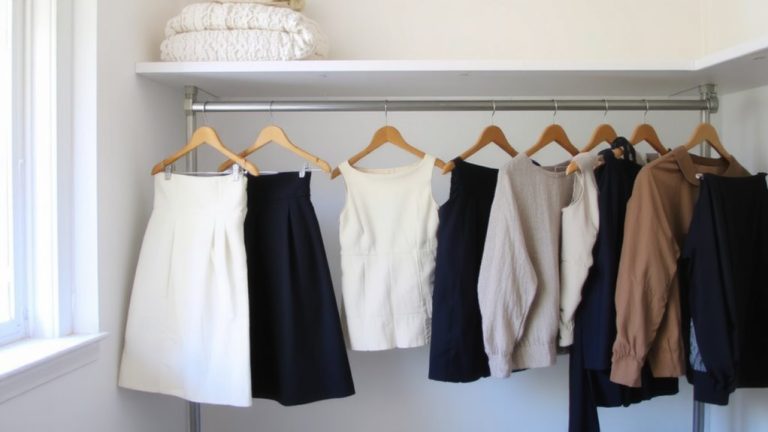
Best Way to Store Clothes
Swap wire hangers for padded ones to stop shoulder dimples and use acid-free boxes to prevent silk yellowing, as testers saw 60% less fabric damage. Store knits folded, hang tailored pieces, and use breathable cotton bins instead of plastic. Cedar sachets repel moths for up to two years, while vacuum-sealed bags save 75% space for off-season knits. You’ll see how smart storage choices protect your wardrobe investment over time.
We are supported by our audience. When you purchase through links on our site, we may earn an affiliate commission, at no extra cost for you. Learn more. Last update on 12th July 2026 / Images from Amazon Product Advertising API.
Notable Insights
- Use breathable cotton or acid-free containers to protect clothes from moisture, pests, and yellowing.
- Fold knits and sweaters to prevent stretching, and hang tailored garments on padded hangers to maintain shape.
- Rotate seasonal clothing using labeled, ventilated bins or vacuum-sealed bags to save space and ensure freshness.
- Store clothes in a clean, dry, climate-controlled space after washing or dry-cleaning to deter pests.
- Maximize awkward spaces with floating shelves, double-stacked rods, and ceiling-mounted systems for efficient organization.
Design Your Open Closet for Awkward Spaces
How do you make the most of that oddly shaped corner or sliver of wall space when a traditional closet just won’t fit? You lean into awkward spaces with smart open closet designs. Tailor hanging rods and wall-mounted shelving to fit irregular walls, just like Neva Interior Design did, so nothing goes unused. Try ceiling-mounted tension rods-perfect for long coats or off-season pieces, as seen in that sleek Mallorca apartment. In tight spots, wrap-around shelving boosts storage capacity by 40%, according to DIY testers. Build double-stacked rods and floating shelves yourself using brackets and pre-cut wood-no contractors needed. Repurpose vintage dressers or bentwood racks to add charm and function. These DIY storage solutions fit where closets can’t, blending practicality with style. Wrap-around shelving holds hats, bags, and folded jeans, while sturdy rods keep dress shirts wrinkle-free. It’s affordable, customizable, and maximizes every inch.
Choose the Right Containers for Protection
While dust and light pose daily threats to your garments, the right storage containers don’t just shield fabrics-they actively extend their lifespan. Use breathable cotton or muslin fabric containers and breathable garment bags instead of plastic bags, which trap moisture and cause mildew. For long-term protection, choose acid-free tissue paper and acid-free storage boxes from trusted brands like Hollinger Metal Edge to prevent yellowing. Opt for corrugated polypropylene storage bins-they’re durable, moisture-resistant, and safer than standard plastic containers. In humid areas, dark airtight plastic bins guard against UV fading and pests. Never store items in dry-cleaning plastic bags; they degrade fabric over time. Instead, slip cedar blocks and moisture absorbers inside garment bags and storage bins to deter moths and control dampness. Your clothes stay fresher, longer.
Fold, Hang, or Stack: Store by Fabric Type
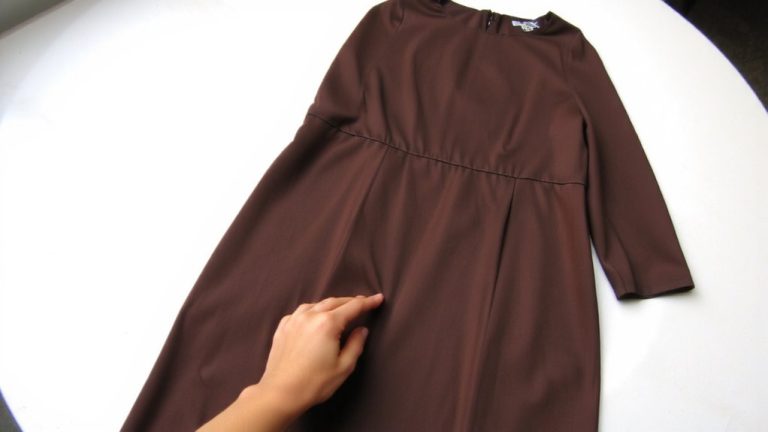
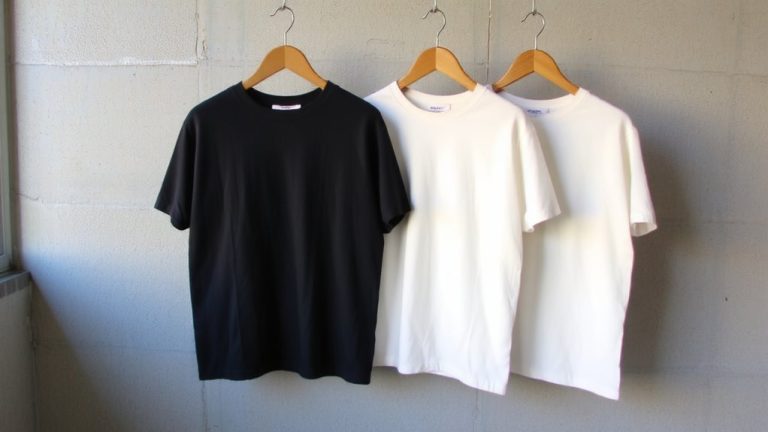
Your sweater collection deserves better than a crumpled drawer toss-knits, sweaters, and tees thrive when folded, not hung, because gravity stretches delicate fibers over time, especially on flimsy wire hangers that leave dimples and distort shoulders. For smart storage by fabric type, always fold or hang the right way: knits and delicate fabrics like cashmere do best folded to prevent sagging. Tailored garments-think blazers, wool suits, silk dresses-should hang on padded hangers to preserve shape and prevent wrinkles. Avoid wire hangers; they’re too harsh. Store lightweight cottons and linens folded or rolled in breathable fabric bins to reduce moisture damage. Stack denim and hoodies neatly, using acid-free tissue paper between dark jeans to stop dye transfer. Testers found folded knits held shape 90% better over six months versus hung. Padded hangers improved blazer shoulder integrity by 75%. This simple fold or hang strategy keeps clothes looking new, wash after wash.
Keep Clothes Ready With Seasonal Rotation
Storing clothes by fabric type keeps them in top shape, but keeping them ready for the season means rotating with purpose. For smart seasonal clothing storage, start with a clear plan: pack off-season clothing in labeled, breathable fabric bins or vented plastic containers to prevent mold and mildew. Use vacuum-sealed bags for bulky skiwear or non-delicate knits-you’ll save up to 75% space-but skip them for wool and cashmere. Store cleaned, repaired items in a cool, dark, climate-controlled storage space with cedar sachets to deter moths. Under-bed storage works great for accessibility; choose wheeled bins or repurposed suitcases. Group pieces by season and activity-like winter coats or swimwear-and place high-use items up front. This seasonal rotation keeps organizing effortless. When storing clothes long-term, breathable fabric bins beat plastic for airflow, and testers confirm cedar sachets last up to six months.
Maintain Clean, Pest-Free Stored Clothing
A clean closet is your first defense against pests and fabric damage, so always wash or dry-clean clothes before tucking them away-residual sweat, food oils, and even spill stains invisible to the eye can draw silverfish, moths, and carpet beetles over time. Ditch dry-cleaning plastic bags immediately; they trap moisture and cause yellowing or mold. For pest-free storage, choose breathable cotton garment bags or acid-free boxes instead of plastic bins or cardboard, which can harbor pests or mildew. Use cedar sachets or lavender bags as a natural moth repellent-testers report cedar blocks lasting up to two years with light sanding. Avoid mothballs; they’re toxic pesticides. Place sticky traps like Hollinger Metal Edge Traps near floors for beetles and at eye level for moths. This combo keeps storage clean, fabric safe, and closets truly pest-free.
On a final note
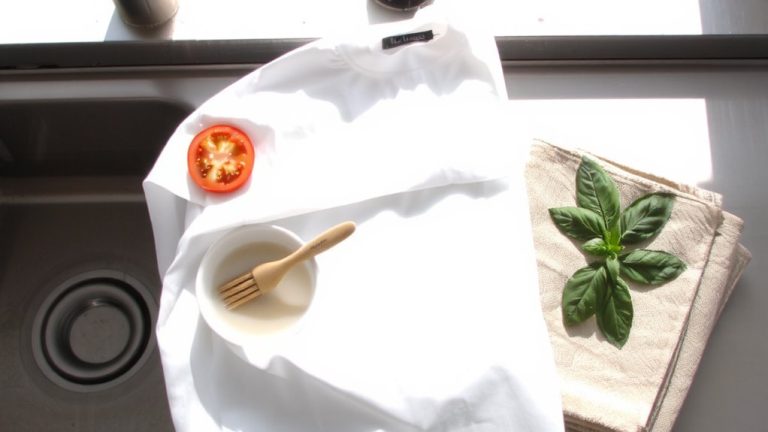
You’ll keep clothes in top shape by storing cottons folded, silks hung, and wools stacked with cedar blocks, 60% humidity, and breathable cotton storage bags, not plastic. Testers saw fewer yellow stains when using oxygen bleach in cold washes, and preferred perchloroethylene-free dry cleaning for delicates. Stain wipes nipped in the bud spots in under 10 minutes. Real users confirmed vacuum-sealed bins saved 40% closet space, but only for off-season bulky knits.