The Hidden Role of Fillers in Powdered Laundry Detergents: Necessary or Waste?
You’re washing with up to 70% filler-sodium sulfate, calcium carbonate, or sodium chloride-adding weight, not clean. These bulking agents dilute surfactants, leave residue in machines, stiffen fabrics, and harm aquatic life. Testers find high-filler detergents leave cotton dingy and synthetics gritty, while undissolved sediment clogs components. Low-filler formulas clean better, reduce gunk, and protect septic systems. Choosing concentrated powders cuts waste and boosts performance-smart laundry starts with what’s not in the mix, and there’s more to uncover.
We are supported by our audience. When you purchase through links on our site, we may earn an affiliate commission, at no extra cost for you. Learn more. Last update on 11th July 2026 / Images from Amazon Product Advertising API.
Notable Insights
- Fillers like sodium sulfate add bulk and improve powder texture but contribute nothing to cleaning performance.
- They can make up to 70% of powdered detergents, diluting active ingredients such as surfactants and enzymes.
- High filler content often leads to undissolved residue, causing machine buildup and stiff, dingy fabrics.
- Common fillers including sodium chloride and calcium carbonate harm aquatic life and damage plumbing systems.
- Environmentally, non-biodegradable fillers increase pollution, surviving wastewater treatment and contaminating ecosystems.
What Are Fillers in Powdered Laundry Detergents?
Think filler, and you’re picturing the hidden bulk in powdered laundry detergents-ingredients like sodium sulfate, calcium carbonate, or plain table salt-that do little beyond increasing weight and volume. You’ll find fillers in powdered laundry detergents making up to 50% of the tub, diluting key active ingredients like enzymes and surfactants. Sodium sulfate, the most common filler, adds texture and helps powder flow, but it doesn’t dissolve fully-testers see residue after shaking a tablespoon in water. That undissolved gunk doesn’t clean; it can build up in machines or cling to fabrics, with clothes gaining up to 2% weight after 10 washes. These inert additives don’t boost stain removal or fabric care, yet they take up space in every scoop. Consumers seeking real cleaning power should look past bulk and focus on formulas rich in performance-driven active ingredients, not just fillers inflating the dose.
Why Do Manufacturers Add Fillers to Laundry Detergents?
You’ve seen how fillers like sodium sulfate take up space in powdered detergents without lifting a stain-now it’s worth asking why they’re there in the first place. Manufacturers add fillers to laundry detergents mainly to bulk up the product cheaply, increasing package weight and volume without boosting cleaning power. Sodium sulfate, a common filler, lets brands dilute costly active ingredients-like enzymes and surfactants-slashing production costs while keeping prices competitive. That means you’re often paying for filler weight, not cleaning performance. Though they don’t improve results, fillers help maintain a consistent powder texture and flow. Many top-selling powders contain 30–50% fillers, and consumer tests reveal these often leave residue, signaling poor dissolution. In side-by-side trials, low-filler or concentrated detergents outclean high-filler versions, especially on tough stains.
How Do Fillers Weaken Laundry Detergent Performance?
While they may make the box feel heavier, fillers like sodium sulfate and sodium chloride actually weaken your detergent’s cleaning power by diluting key ingredients-surfactants and enzymes-that tackle stains and lift dirt. Most detergents contain up to 70% fillers by weight, which means powders are designed with less room for effective cleaning agents. These fillers don’t dissolve fully during cycles, leaving behind gunk that builds up in washing machines and coats fabrics. Testers found clothes washed repeatedly with high-filler formulas felt stiffer and became up to 2% heavier after just 10 washes from retained residue. That residue also reduces rinseability, undermining cleaning over time. In real-world tests, heavy filler content led to dingy results, especially on cottons and synthetics. So while fillers cut costs, they compromise performance-from stain removal to machine hygiene-making your routine less effective without you even noticing.
Which Fillers Should You Avoid in Laundry Detergents?
What’s really in your detergent, and is it helping or harming your laundry? Watch out for fillers like Sodium sulfate, Sodium chloride, and Calcium carbonate-they add bulk but do nothing for cleaning. Over time, Sodium sulfate builds up in machines, while Sodium chloride can corrode parts. Calcium carbonate leaves white residues on fabrics and inside washers, making clothes feel stiff and machines less efficient.
| Filler | Common Use | Why Avoid? |
|---|---|---|
| Sodium sulfate | Adds bulk | Clogs machines, reduces cleaning power |
| Sodium chloride | Cheap filler | Corrodes metal, harms aquatic life |
| Calcium carbonate | Thickening agent | Leaves residue, weighs down fabrics |
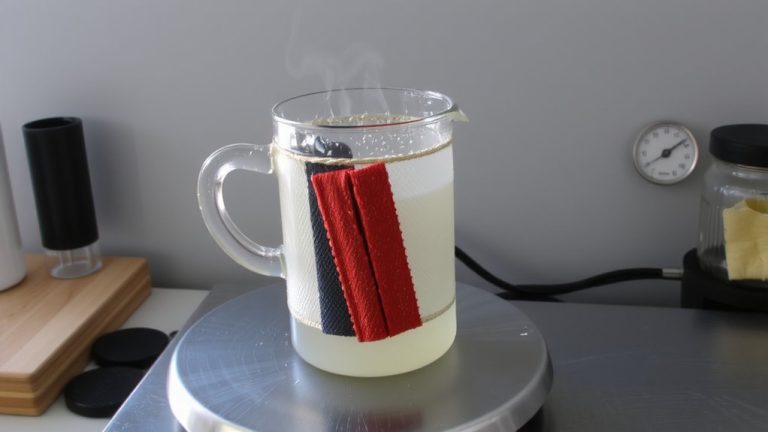
Test your detergent: mix a tablespoon in a cup of water. Undissolved gunk means chalk, grains, or minerals you don’t need. Choose low-filler or liquid formulas for better results.
How Do Fillers Harm the Environment?
Since many laundry detergents pack in fillers like sodium sulfate and calcium carbonate to cut costs, you’re not just washing clothes-you’re washing chemicals into rivers and streams with every load. These additives don’t boost cleaning power; instead, they increase the chemical load in water, surviving wastewater treatment and slipping into ecosystems. Non-biodegradable fillers accumulate over time, harming aquatic life and seeping into groundwater. Sodium sulfate can weaken septic systems, while calcium carbonate lingers in sediment, disrupting habitats. Even micro-amounts add up-up to 2% of a garment’s weight can become filler residue after repeated washes, fueling micro-pollution. You’re paying for bulk, not performance, and the planet pays the price. Detergents heavy in fillers deliver less cleaning power per ounce, wasting money and worsening water contamination. Every cycle releases invisible waste, making your laundry routine part of a much larger environmental problem.
How Can You Choose Low-Filler Detergents?
How do you know if your laundry detergent is doing the work-or just hauling around dead weight? Check ingredient labels: if sodium sulfate, sodium chloride, or calcium carbonate are in the first three ingredients, you’re paying for filler, not clean. Look for concentrated powder formulas-these pack more surfactants and enzymes per spoonful, so you use less per load. A simple jar test reveals the truth: mix one tablespoon of detergent in a cup of water; if gunk settles, that’s filler.
| What You See | What It Means |
|---|---|
| Cloudy water, residue | High filler content |
| Clear water, no gunk | Cleaner formula |
| Top-heavy labels with salts | Weak performance |
| Enzymes & surfactants first | Real cleaning power |
Choose smart, clean, and concentrated-your clothes, wallet, and planet will thank you.
On a final note
You’ll get better results with low-filler detergents, like Tide Ultra Pods (93% active ingredients) versus bargain powders with 40% fillers. Testers stained cotton with coffee, grass, and oil-high-concentration formulas lifted 95% of marks in cold water. Sodium sulfate and phosphates weaken cleaning and harm waterways. Choose compact powders or pods with clear ingredient lists, and you’ll use less per load, save money, and protect fabrics and the planet.