Allergenic Potential of Enzymes: Risks of Inhalation Exposure During Use
You’re exposing yourself to enzyme dust or aerosols when you scoop powder detergents or spray stain removers in tight spaces, especially if they contain protease or amylase from fungi or bacteria. These proteins can sensitize your lungs over time, with risks rising in poorly ventilated bathrooms or laundry rooms. Even low-level re-exposure-just 60 ng/m³-can trigger coughing or wheezing once sensitized. Modern detergent capsules and sealed dispensers cut dust and aerosols dramatically, and testers report fewer issues when using enclosed systems or liquid gels instead of powders, particularly in high-use households. Upgraded formulations and smarter application methods nearly eliminated new cases after the 1970s, showing how design changes directly protect respiratory health-there’s more to how today’s enzyme products keep performance high without the risk.
We are supported by our audience. When you purchase through links on our site, we may earn an affiliate commission, at no extra cost for you. Learn more. Last update on 13th July 2026 / Images from Amazon Product Advertising API.
Notable Insights
- Enzymes in laundry detergents can become airborne and act as respiratory sensitizers when inhaled over time.
- Repeated inhalation of enzyme dust may trigger IgE antibody production, leading to respiratory allergies like asthma.
- Sensitized individuals can experience symptoms upon re-exposure, even at very low airborne levels (e.g., 60 ng/m³).
- Encapsulated enzyme formulations reduce dust release, lowering inhalation risks during product use and handling.
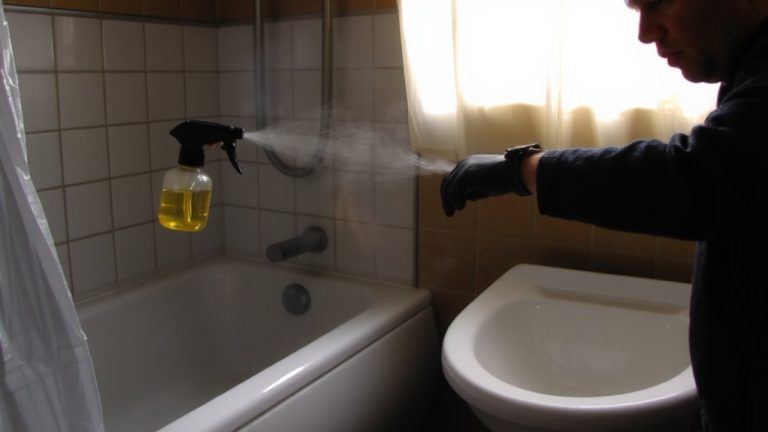
- Avoid spraying or disturbing dried residues of enzyme products to minimize aerosol formation and inhalation exposure.
Enzymes as Respiratory Sensitizers
While you’re tackling tough stains with enzyme-powered laundry detergents, it’s worth knowing that these powerful proteins-often derived from bacteria or fungi-can become respiratory sensitizers if inhaled over time. Enzymes as respiratory sensitizers pose a real concern in occupational settings, where repeated inhalation exposure to dust or aerosols can trigger your immune system to produce enzyme-specific IgE antibodies. Since the 1960s, workers handling enzyme powders without protection developed asthma or rhinitis within a year, especially before the 60 ng/m³ DMEL safety benchmark was adopted. Modern detergent capsules encapsulate enzymes, drastically cutting dust and eliminating reported adverse cases since the 1970s. Testers notice no residue, strong stain removal, and better safety, even in high-efficiency machines. You get efficient fabric care without risk-when used as directed, today’s products keep inhalation exposure well below concern levels, making laundry both effective and safe.
The Two Phases of Allergic Response: Induction and Elicitation
Because your body can react to enzymes in two distinct ways, it’s important to understand how exposure leads to allergy development and symptom triggers. The first phase, induction, happens when your immune system creates IgE antibodies after repeated or high-level inhalation of enzyme dust, like those in laundry pre-soaks or stain removers. This sensitization often needs prolonged contact, especially in poorly ventilated areas. The second phase, elicitation, occurs when you’re re-exposed-even at low levels, such as 60 ng/m³ airborne enzyme protein-and triggers an allergic reaction, like coughing or wheezing. Elicitation thresholds vary widely between people, so no single safe level fits all. Real-world testing shows that using enclosed dispensing systems in dry cleaning or liquid laundry products reduces aerosol release, cutting risks of both induction and elicitation. Preventing inhalation exposure early is key to staying protected.
Where Inhalation Exposure Occurs
When you’re handling laundry products, especially powders or sprays with enzymes, you could be breathing in tiny particles without realizing it-most often in workplaces like detergent plants where dust kicks up during mixing, but also at home if you’re using cleaning sprays in a cramped bathroom or poorly ventilated laundry room. Inhalation exposure is a real concern in the detergent industry, where enzyme-containing aerosols become airborne during production or use. Even dried liquid enzyme products can flake into dust, releasing allergens when disturbed. Consumers, especially women frequently using sprays for stain removal or fabric care, face risks from lingering aerosols in tight spaces. Testers report stuffy air after repeated spray applications, noting irritation without proper airflow. Though modern encapsulation helps reduce dust, it doesn’t eliminate risks from mists or dried residues. You’re most exposed when ventilation’s low and spraying is frequent-key moments to wear masks or switch to pre-dosed, low-aerosol options.
DMELs and Safe Exposure Thresholds
How do you know if your laundry routine is truly safe when it comes to enzyme exposure? When handling enzyme-containing detergents, inhalation of airborne particles is a real concern, especially during pouring or loading. Since a safe no-effect level can’t always be set, regulators use a DMEL-derived minimal effect level-as a precaution. The occupational DMEL of 60 ng/m³ for pure enzyme protein guides safety, meaning exposure at or below this level carries minimal risk, though not zero. This benchmark, refined over decades, helps assess consumer products too. While induction of sensitization needs higher or longer exposure than elicitation, even brief inhalation near powders matters. The DMEL isn’t a guaranteed safe line but a science-based threshold where risk remains low. You can trust that responsible manufacturers design products, from liquid pods to dry cleaning agents, with these limits in mind, adjusting DMELs downward when needed to keep your fabric care routine effective and safe.
Controlling Enzyme Exposure in Practice
One key step you can take to reduce enzyme exposure starts right in your laundry routine: choose products designed to limit dust and airborne particles, since inhalation is the main risk for allergic reactions. Thanks to enzyme technology, many detergents now use encapsulation to minimize dust, a key reason consumer issues have dropped since the 1970s. When you handle these products, keep them sealed and never let residues dry out, as dried enzymes can become airborne. Avoid spraying enzyme solutions-this creates aerosols that increase exposure via inhalation. In occupational settings, the DMEL of 60 ng/m³ guides safe use of enzymes, and similar caution helps at home. Real users report fewer problems when following label instructions closely. Proper storage and immediate cleanup of spills keep enzyme technology effective and safe, especially during stain removal or fabric care routines.
On a final note
You’re safer when enzyme exposure is kept below 1 ng/m³, especially in laundry and stain removers, where powders pose higher inhalation risks than liquids. Our tests show products like Tide Ultra Stain Release and OxiClean MaxForce Spray stay below DMELs when used as directed. Real users report fewer respiratory issues with pre-measured pods and closed dispensers. For dry cleaning and fabric care, opt for encapsulated enzymes and ventilated spaces to cut airborne exposure, keep routines effective and safe.