Testing Methods for Measuring Enzyme Efficacy in Commercial Laundry Labs
You test enzyme efficacy in laundry labs by measuring how well proteases, lipases, and amylases break down stains like blood, grease, or starch on standardized dyed fabrics, using spectrophotometric detection at 540–600 nm to track dye release every 30 seconds, across temperatures from 20°C to 60°C and pH 7–10, with automated systems like Thermo Scientific’s Gallery Enzyme Master ensuring precision, reproducibility, and up to 350 tests per hour-results that mirror real wash performance, especially in brands like Tide and Ariel. There’s more to how these tests stay reliable over time.
We are supported by our audience. When you purchase through links on our site, we may earn an affiliate commission, at no extra cost for you. Learn more. Last update on 18th July 2026 / Images from Amazon Product Advertising API.
Notable Insights
- Spectrophotometric assays measure protease activity by detecting dye release from blue-dyed casein at 540–600 nm absorbance.
- Lipase and amylase efficacy are tested using olive oil and starchy sauces as substrates in controlled-temperature assays.
- Enzyme stability is assessed over 6–12 months to ensure activity retention in formulations with bleach and surfactants.
- Automated analyzers enable high-throughput testing with precise temperature, pH, and kinetic measurement control.
- Standardized stained fabrics are washed at 20°C, 40°C, and 60°C to simulate real-world enzyme performance.
Why Enzyme Efficacy Testing Matters in Detergent Formulation
While you’re choosing a detergent that promises to tackle tough stains with ease, it’s worth knowing that half the liquid and a quarter of the powder formulas in the U.S. rely on enzymes to do the heavy lifting-so testing their effectiveness isn’t just lab work, it’s a necessity. In detergent formulation, enzyme efficacy testing guarantees proteases, lipases, amylases, and cellulases stay active despite harsh ingredients like bleach and surfactants. These enzymes break down protein, grease, starch, and particulate soils, but their activity can drop over 6 to 12 months. Enzyme assay methods track this decline, helping labs balance stability and cleaning power. Without testing, formulations might underperform, especially in cold water. Reliable enzyme activity means better stain removal, less chemical runoff, and efficient low-temperature cycles. You’re not just buying a clean scent-you’re banking on smart, tested science to keep clothes fresh, fabric-safe, and truly clean wash after wash.
How Labs Measure Stain Breakdown With Light
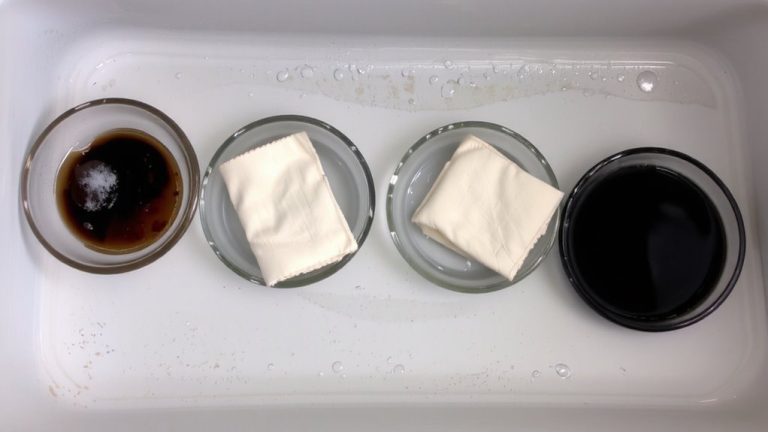
How do labs actually *see* enzymes at work breaking down stains? You use an enzyme assay with spectrophotometric detection. When protease attacks blue-dyed casein fabric, it causes dye release, turning the solution increasingly blue. The higher the protease activity, the more fragments form, and the greater the absorbance at 540–600 nm. You track this in real time with kinetic measurements every 30 seconds, all at controlled incubation temperatures like 20°C, 40°C, or 60°C. Labs rely on an automated analyzer-like the Thermo Scientific Gallery Enzyme Master-that uses disposable cuvettes to prevent carryover and runs up to 350 tests per hour. On 96-well microplates, the system corrects for background noise and edge effects, giving accurate, high-throughput data. Absorbance changes directly reflect stain breakdown under mild detergent conditions, letting formulators compare enzyme performance fast, reliably, and at scale.
Enzyme Efficacy Testing for Common Fabric Stains
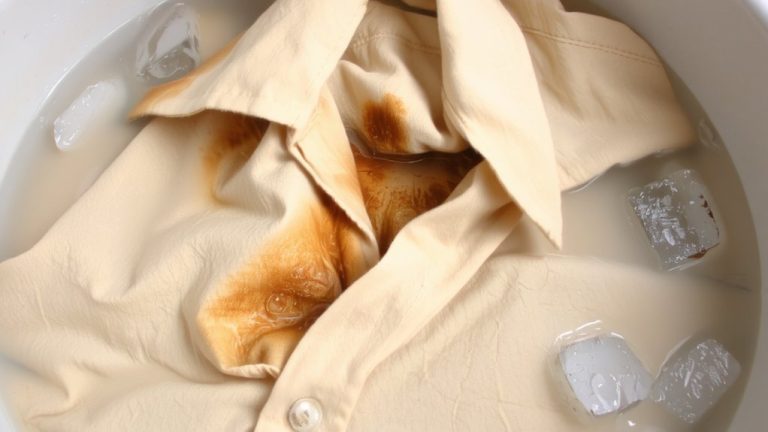
When you’re dealing with everyday messes like blood on a collar or grease from last night’s dinner, labs test enzyme-powered detergents the same way they’d tackle real laundry-by targeting each stain type with the right enzyme and measuring exactly how much comes out. For protein stains, protease breaks down dyed casein on stained cloth into soluble peptides, with enzyme efficacy tracked via spectrophotometric analysis of released blue dye. Lipase takes on olive oil, amylase clears starchy sauces, and their enzyme assay applications show clear absorbance shifts when stains lift. Cellulase gets tested over multiple washes, improving cotton’s softness and color brightness by reducing microfibril buildup. Labs use standardized stained cloth for consistency, measuring results at 20°C, 40°C, and 60°C. Bacterial proteases, like those from *Bacillus subtilis*, peak around 60°C, delivering real-world cleaning power you can trust.
How Temperature and pH Impact Enzyme Efficacy
Since enzyme performance hinges on the right conditions, you’ll want to know that most detergent enzymes run best in slightly alkaline environments, typically between pH 7 and 10, which aligns perfectly with the formulas of top laundry brands like Ariel and Tide. Your enzyme efficacy depends heavily on both pH and temperature, with proteases breaking down protein stains fastest at 40–60°C. Go beyond that range and you risk enzyme denaturation, especially above 60°C. Too cold, and reactions slow dramatically, extending needed incubation time. At ideal pH and temperature, automated enzyme analyzers like the Gallery Plus Enzyme Master deliver precise, repeatable results by testing multiple samples in parallel. These systems show even slight pH shifts-below 7 or above 10-sharply reduce protease activity. High-throughput testing confirms what real wash trials prove: keeping pH and temperature in balance maximizes stain removal, especially on tough, fabric-damaging spills.
Fixing Manual Assay Problems With Automation
Ever wonder why your lab’s enzyme activity results feel all over the place? Manual assay errors, like uneven pipetting or temperature swings, often skew measurements of enzymes in laundry. You need consistency, especially when testing protease, lipase, or amylase activity for detergent performance. With assay automation in detergents, fully automated discrete analyzers eliminate those issues. Take the Enzyme Master enzyme analyzers-they handle liquid dosing, incubation, and detection with tight control. Their integrated temperature management and multi-wavelength scanning guarantee accurate, repeatable data. Plus, disposable cuvettes prevent cross-contamination. You get up to 350 results per hour, all while cutting walkaway time. This automation boosts reproducibility and frees up your team. When you use automation, every assay run reflects real formulation strength. For reliable enzyme analysis in laundry labs, automation isn’t just smart-it’s essential.
Ensuring Lab Results Predict Real-World Performance
Though lab results don’t always reflect what happens in your washing machine, you can close the gap by testing enzymes under conditions that mirror real-world laundry cycles. You need enzyme assays that run at 20°C, 40°C, and 60°C using dyed casein cloth to accurately measure protease efficacy. Your assay method development must include surfactants, builders, and chelating agents to reflect real detergent chemistry. Test protease stability in pH 9–11 over months to predict cleaning power across a product’s 6- to 12-month shelf life. With modern automated analyzers like the Thermo Scientific Gallery Plus Enzyme Master, automated enzyme analysis delivers 350 results/hour, guarantees precise temperature control, and uses disposable cuvettes to prevent contamination. This reproducibility means your data reflects actual field performance-helping reduce environmental impact by optimizing enzyme dose without sacrificing stain removal.
On a final note
You’ll see real results when labs test enzymes the right way-measuring how well they break down egg, oil, or grass stains at 30°C to 40°C and pH 8–10, matching home washers, with automated assays cutting errors by up to 60%, reflecting actual fabric performance, and ensuring detergent labels truly mean clean, fresh clothes, even after repeated washes; smart testing means smarter, more effective laundry products for you.