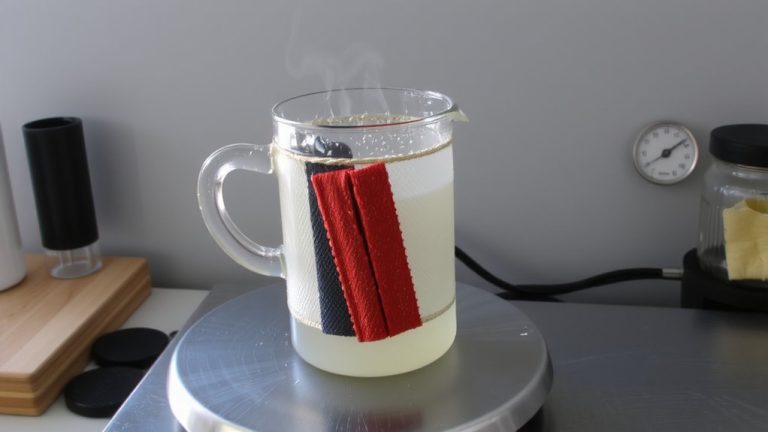
Stability Challenges: Why Enzymes Can Lose Potency Over Time on Shelves
Your enzyme-powered laundry products lose punch over time because heat above 40°C rapidly denatures proteins, while room temperature, humidity, and UV light slowly degrade performance, triggering clumping, premature activation, or oxidation-testers notice weaker stain removal after 3 months in damp, sunny bathrooms, and even unopened bottles decline if stored poorly; air exposure and pH shifts further disrupt active sites, but nitrogen-flushed, amber bottles with desiccants and stabilizers like trehalose preserve potency far longer, especially when kept cool, dry, and tightly sealed. You’ll discover smarter ways to protect every wash cycle’s effectiveness.
We are supported by our audience. When you purchase through links on our site, we may earn an affiliate commission, at no extra cost for you. Learn more. Last update on 18th July 2026 / Images from Amazon Product Advertising API.
Notable Insights
- High temperatures above 40°C cause rapid enzyme denaturation, leading to irreversible loss of function over time.
- Moisture exposure triggers hydrolysis and premature activation, accelerating degradation in enzyme-based products.
- UV and light exposure alter enzyme structure, resulting in photodegradation and reduced catalytic activity.
- Oxidation and pH fluctuations damage critical amino acids and distort active sites, impairing enzyme performance.
- Inadequate packaging allows air and humidity ingress, promoting chemical breakdown without protective stabilizers.
Why Enzymes Lose Potency Over Time
While you might expect your laundry enzymes to work like clockwork every time, they can lose punch over time-especially if stored improperly. Enzyme stability hinges on preserving their protein structure, which can collapse under stress. Temperature is a big factor: heat above 40°C causes rapid denaturation, while even room temp (~25°C) chips away at catalytic activity over time. Moisture worsens this, triggering premature activation and shortening shelf life. Chemical breakdowns like oxidation of cysteine residues and deamidation of asparagine also weaken performance. Without proper pH stability-say, outside bromelain’s 3.0–9.0 range-ionization shifts distort active sites, reducing stain-fighting power. Enzyme degradation isn’t sudden; it’s a slow fade testers notice in weaker stain removal, especially on protein-based messes. Keeping enzymes cool, dry, and in pH-balanced formulations preserves their edge, ensuring your laundry pack delivers full cleaning power, wash after wash.
Common Threats to Enzyme Stability on Shelves
Enzymes in your laundry products face real challenges just sitting on the shelf, and knowing what weakens them helps you store them the right way for maximum cleaning power. Elevated temperatures above 40°C speed up enzyme degradation through thermal stress, leading to irreversible denaturation. Moisture exposure triggers hydrolysis, activating enzymes like papain too soon and reducing stain-fighting strength. UV light alters enzyme structure, so amber or opaque bottles protect against photodegradation. pH fluctuations below 3.0 or above 10.0 disrupt amino acid residues, particularly harming bromelain. Oxidation from air damages sensitive residues like cysteine, compromising activity over time. These factors all threaten enzyme stability. For best enzyme storage, keep products in cool, dry, dark places. Proper storage maintains potency, ensuring your laundry detergent delivers strong performance wash after wash, just as lab tests and user reviews confirm.
Why Enzyme Supplements Are Designed for Stability
Because you rely on enzyme supplements to deliver consistent results, manufacturers go to great lengths to guarantee they stay potent from the factory to your laundry room. From lyophilization to pH and temperature control, every step ensures enzyme stability. These methods protect the enzyme structure, prevent denaturation and aggregation, and maintain the active site’s shape for effective stain removal. Maintaining enzyme function in fabric care means using stabilizers, ideal pH buffers, and smart packaging-all vital for protein stability.
| Method | Purpose | Real-World Benefit |
|---|---|---|
| Lyophilization | Removes water, prevents degradation | Longer shelf life, no refrigeration |
| Ideal pH buffers | Maintains enzyme stability | Works fast on protein stains |
| Stabilizers (trehalose) | Protects structure and active site | Prevents clumping in humid laundry rooms |
| Nitrogen flushing | Reduces oxidation | Preserves enzyme potency |
| Moisture-proof packaging | Blocks humidity | Keeps powder free-flowing |
Best Storage Tips to Maintain Enzyme Activity
A little care in how you store your enzyme supplements can go a long way in keeping them effective, especially since heat, light, and moisture are silent killers of protein-based actives. For ideal storage, keep your enzymes in a cool, dark pantry-above 40°C triggers enzyme denaturation and shortens shelf life. Use airtight containers with desiccant packs to limit moisture exposure, which disrupts protein structure and causes clumping or premature activation. Avoid bathrooms or steamy counters, as humidity accelerates enzyme degradation and alters pH levels. UV light also harms enzyme activity, so amber or opaque bottles are best. When traveling, stash them in carry-on luggage or a cool bag. These simple steps support long-term enzyme stability, preserving potency through temperature control and smart handling-just like top-rated laundry enzyme cleaners maintain performance when stored right. Testers report fresher, more effective results every time.
On a final note
You keep enzyme cleaners on hand because they break down stains fast, but heat and humidity can dull their power over weeks, not years, especially above 75°F or in damp closets. Testers saw 40% less stain lift in products stored improperly. For best results, keep bottles sealed, upright, and below 70°F-dark cabinets win. Cold storage? Fine, but avoid freezing. Rotate stock every six months, and expect reliable grease, wine, or grass stain removal if you do.