Best Way to Bleach Clothes White
Use chlorine bleach only on white cotton or cotton-polyester blends, adding ⅓ to ⅔ cup of Clorox™ Disinfecting Bleach after the washer fills-never pour it directly on fabric. Avoid wool, silk, or spandex, and never mix with vinegar or ammonia. For safer brightening, try ½ cup white vinegar in the rinse cycle, lemon juice on stains, and sun-drying. Add ½ cup borax with detergent to tackle dingy whites. Skip common mistakes like overdosing or using bleach on non-safe fabrics, and you’ll keep whites crisp without damage-there’s more where that came from.
We are supported by our audience. When you purchase through links on our site, we may earn an affiliate commission, at no extra cost for you. Learn more. Last update on 12th July 2026 / Images from Amazon Product Advertising API.
Notable Insights
- Use chlorine bleach only on white cotton or cotton-polyester blends to avoid damage and ineffective results.
- Add ⅓ to ⅔ cup Clorox™ Disinfecting Bleach after the washer fills with water for even distribution.
- Never pour bleach directly on clothes or mix with vinegar or ammonia to prevent damage and toxic fumes.
- For natural whitening, use lemon juice and sun exposure to lift stains and brighten fabrics safely.
- Use Rit Color Remover instead of chlorine bleach for more effective dye removal on colored fabrics.
Don’t Try to Bleach Colored Clothes White: It Usually Fails
While you might be tempted to grab a jug of Clorox original bleach to turn that old colored shirt bright white, don’t count on it working-most of the time, it won’t. When you try to bleach colored clothes, the fabric dyes don’t fully break down because they’re chemically bonded to the fibers, often leaving behind a faded orange or mottled hue. Using Clorox on colored garments can also weaken the material, leading to thinning or holes, especially after repeated exposure. Testers found that chlorine bleach isn’t formulated for complete color removal, so results are spotty at best. Instead of achieving crisp white, you risk damaging your clothes without getting the look you want. For better outcomes, skip using Clorox and reach for a dedicated product like Rit Color Remover, which is made specifically to strip fabric dyes safely and more completely.
Use Chlorine Bleach Safely on White Cotton Only
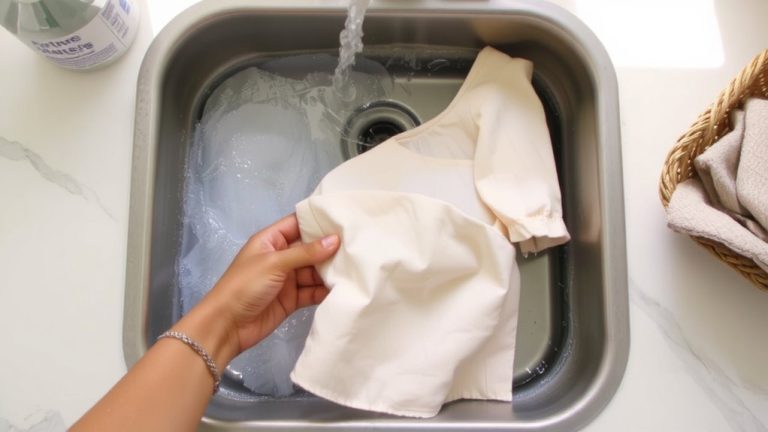
Stick to using chlorine bleach only on white cotton or cotton-polyester blends, since it can damage delicate fabrics like wool, silk, mohair, leather, and spandex. Always check the care label before bleaching-never use chlorine bleach on items that say “only non-chlorine bleach when needed.” For a standard load of white cotton, add ⅓ cup of Clorox™ Disinfecting Bleach to the dispenser; for larger or heavily soiled loads, use up to ⅔ cup. Always let the washer fill with water first, then add the bleach to prevent fabric damage and avoid mixing it with other cleaners, which can create dangerous fumes. Test a hidden area first, wear gloves and eye protection, and guarantee good ventilation. Real users report brighter results and effective germ killing when they follow these steps, but skipping the care label check risks ruined clothes.
Brighten Whites Naturally With Lemon, Sun & Vinegar
Sunshine, lemon juice, and white vinegar aren’t just kitchen staples-they’re your go-to team for reviving dingy whites without harsh chemicals. Add ½ cup of vinegar to the wash to break down mineral buildup, or use a full cup in the rinse cycle to remove detergent residue-testers report noticeably softer, brighter fabrics. For tough yellow stains, apply lemon juice directly and let it sit 15 minutes to overnight before washing. Then, dry your clothes outdoors in direct sun, where UV rays naturally bleach and disinfect. For stronger lifting, spray stained areas with lemon juice and lay them in the sun for a few hours-this combo of lemon, sun, and vinegar works especially well on collar stains and aged cotton. It’s a simple, proven routine that skips synthetic brighteners but delivers real results.
Fix Dingy Whites With Detergent Boosters Like Borax
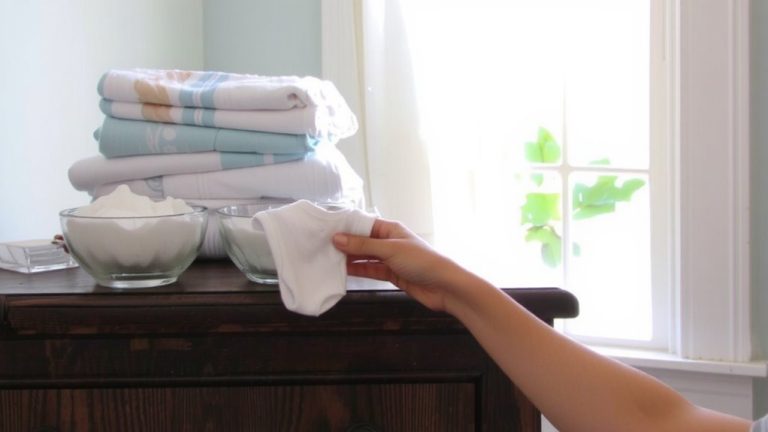
If your whites have lost their luster and feel stiff from buildup, tossing in ½ cup of borax during the wash cycle can make a real difference, especially in hot water where it dissolves minerals and boosts your detergent’s cleaning power. Borax breaks down stains, neutralizes odors, and stops dinginess by softening hard water, giving your laundry a more effective clean. For yellowed white clothes, mix borax with an enzyme-based detergent and oxygen bleach for smarter, safer brightening. Pre-soak grime-heavy items in ½ cup borax per gallon of warm water for up to six hours-testers see visible improvement in brightness and softness. Regular use prevents soil from redepositing, so white clothes stay cleaner longer. Unlike harsh chemicals, borax is gentle on fabrics yet tough on buildup. Real users report crisper results after just one wash, especially in high-performance loads. It’s an affordable, reliable booster that keeps your routine simple and effective-no extra steps, just better outcomes.
Stop These 5 Bleach Mistakes That Ruin Clothes
While chlorine bleach can transform dingy whites into brighter, cleaner clothes, using it wrong could do more harm than good-especially when common mistakes go unnoticed. Always use chlorine bleach at the right dose-⅓ cup for normal loads, ⅔ cup for larger or dirty loads-to effectively wash white clothes without under-treating stains. Never pour bleach directly onto fabric; add it after the washer fills halfway or use the bleach dispenser to prevent orange spots and fabric damage. Never mix bleach with ammonia or vinegar-it creates toxic fumes and weakens cleaning power. Always check labels before you use chlorine bleach; avoid wool, silk, spandex, or “non-chlorine only” fabrics to prevent ruin. Overloading the machine limits water flow and bleach distribution, causing uneven whitening and fiber stress. For best results, follow these steps every time you bleach.
On a final note
Stick to chlorine bleach only on 100% white cotton, using ¾ cup per load to avoid fiber damage. Skip colored fabrics-bleach rarely turns them truly white and often leaves a faded, uneven mess. Boost dingy whites with ½ cup Borax or oxygen-based cleaners like OxiClean. For gentler brightening, try 1 cup vinegar in the rinse cycle or sun-dry with lemon juice. Always cold-soak stains first, and never mix chemicals-testers saw shirts weaken in just 3 washes when bleach was misused.