Best Way to Clean Faux Leather
First, check if your faux leather is PU, PVC, or polyamide microfibre-W codes often mean PU. Use a damp cloth with mild soap and warm water, wrung well to avoid oversaturation, and wipe in gentle circles; testers confirm microfibre handles scrubbing without wear. Skip bleach and alcohol-they strip coatings. For grease, blot with baking soda overnight. If stains remain or cracking appears, pros use solvent-safe methods for S or P codes to restore durability. You’ll see why technique matters with long-term results.
We are supported by our audience. When you purchase through links on our site, we may earn an affiliate commission, at no extra cost for you. Learn more. Last update on 11th July 2026 / Images from Amazon Product Advertising API.
Notable Insights
- Identify the type of faux leather (PU, PVC, or polyamide microfibre) by checking the care label to determine proper cleaning methods.
- Clean with a damp cloth using mild soap and warm water, avoiding oversaturation to prevent material damage.
- Treat tough stains by blotting spills immediately and using targeted solutions like baking soda for grease or mild soap for water-based messes.
- Avoid bleach, alcohol, and harsh solvents that strip the synthetic coating and cause cracking or discoloration over time.
- For persistent stains or damage, seek professional cleaning services instead of attempting DIY repairs with abrasive or chemical methods.
Check If It’s PU, PVC, or Microfibre
Wondering what’s really behind that sleek, leather-like surface? It’s likely PU, PVC, or microfibre-each with distinct traits. If it’s polyurethane (PU), you’ve got a breathable, flexible material that resists cracking, ideal for dining chairs and bar stools. Polyvinyl chloride (PVC) is cheaper but stiffer, prone to splitting over time, especially with frequent use or sun exposure. Then there’s polyamide microfibre-the toughest of the three-built for heavy-duty use in cars or commercial furniture. Real testers say microfibre handles spills and scrubbing better than PU or PVC. Identifying your type matters: cleaning codes vary, and using the wrong method can damage the surface. Check the label-W code usually means PU, which tolerates mild soap and water. PVC often needs gentler care, while polyamide microfibre stands up to rigorous cleaning. Know your fabric, and you’ll keep it looking like new, longer.
Wipe Down With Mild Soap and Water
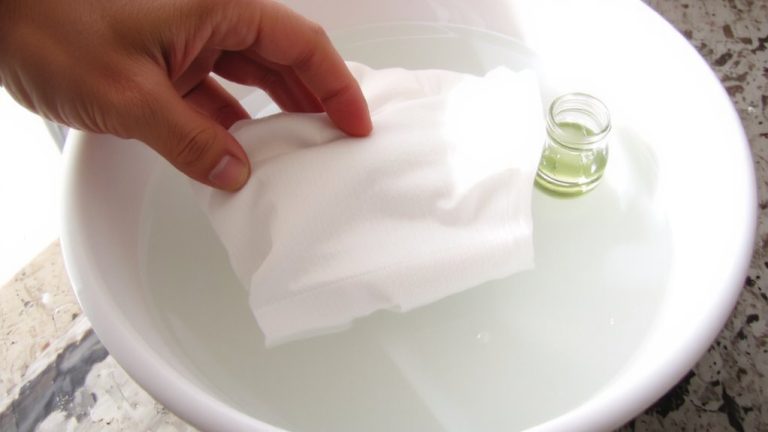
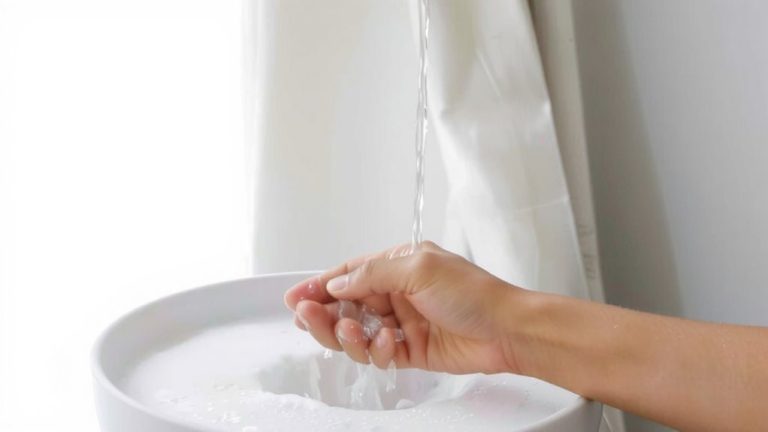
When cleaning faux leather, start with a simple solution of mild soap and warm water, since most types-especially PU and microfibre-respond well to gentle care. Mix a few drops of mild soap, like dish soap or baby shampoo, into warm water and use a damp cloth to wipe down surfaces. Always wring out the cloth well-oversaturation can damage faux leather over time. Before going all in, do a patch test in a hidden spot to check for reactions. Use gentle circular motions to wipe down the material; scrubbing can wear down the synthetic coating, especially on PU-based faux leather. After cleaning, go over it again with a clean, damp cloth to remove any soap residue. Let it air dry away from direct heat or sunlight. This method keeps your cleaning routine safe, effective, and fabric-friendly every time.
Remove Grease, Dye, and Water Stains
After tackling general surface grime with a mild soap and water solution, you might still spot tougher marks like grease, dye transfer, or water-based spills-common challenges with faux leather, especially on couches, car seats, or lighter-colored jackets. For grease stains, sprinkle cornstarch or baking soda directly on the spot and let it sit overnight to absorb oils, then wipe clean with a damp, non-abrasive cloth. If you notice dye transfer from dark jeans, act fast: gently blot the area with a non-abrasive damp cloth to avoid setting the stain. Water-based spills? Use a few drops of mild soap in warm water, working in small circles without soaking the surface. Always test any method on a hidden spot first to confirm colorfastness. These practical steps keep your faux leather looking fresh without damage.
Never Use Bleach, Alcohol, or Heat
If you’re aiming to keep your faux leather looking sharp and lasting for years, steer clear of bleach, alcohol, and heat-these common cleaning go-tos can do lasting damage. Never use bleach unless the care label specifies it’s safe (coded B), as even a 10:1 water/bleach dilution can degrade the material if misused. Alcohol, including rubbing alcohol and solvents like acetone, strips the synthetic coating, harming the surface and causing cracking or discoloration on PU or PVC faux leather. Heat from dryers, radiators, or direct sun warps the polyurethane layer, dries it out, and weakens the adhesive binding the coating to the fabric backing, which may lead to peeling. Avoid high temperatures entirely-never machine-dry or place near open flames. These elements don’t just alter appearance; they affect the structure, reducing durability and long-term performance.
Call a Pro If Stains Persist or Cracking Occurs
Though home care with mild soap and water works for routine spills and scuffs, you’ll want to call in a pro when stubborn stains resist cleaning or the surface starts to crack-signs the material’s integrity is at risk. If you’ve tried clean water and gentle soap but stains remain, professional cleaning services like Tide Cleaners can deep clean faux leather items safely, especially for PU-based furniture. Cracking means the material is degrading and won’t heal on its own. Never attempt repairs by using bleach or acetone-those can destroy the finish. Pros use solvent-based solutions for items labeled S or P, preventing further damage. Testers report restored look and longer life after expert treatment, even on heavily soiled couches. When home methods fail, professional cleaning isn’t just convenient-it’s essential for preserving durability and appearance.
On a final note
You’ve got this: check if your faux leather is PU, PVC, or microfibre first-cleaners vary by type. Use mild soap and water (1 tsp dish soap per 1 cup water), wipe gently, and avoid bleach, alcohol, or heat. For grease or stains, act fast-testers found Dawn and microfiber cloths work best. If cracking appears or stains stick, call a pro. Real users confirm: consistent care keeps faux leather looking new, soft, and durable, without costly replacements.