Best Way to Sort Laundry
Sort your laundry by color-whites, lights, darks, and brights-right from the start, because up to 90% of dye loss happens in the first few washes, and skipping this step risks staining your entire load. Wash new clothes separately in cold water, and use color catcher sheets to reduce bleeding by up to 80%. Check care labels: cotton shrinks in hot water, while silk and wool need gentle cycles and wool-safe detergent. Separate heavy fabrics like denim and towels from delicates, and always use mesh bags for hosiery and lingerie to prevent snags. Group lint-shedders like towels away from lint-attracting synthetics to minimize pilling. For dirty loads-think gym clothes or greasy rags-run a hot, heavy-duty cycle alone to avoid cross-contaminating cleaner items, and always pre-treat stains with a dedicated solution for best removal. Turn clothes inside out, zip zippers, and secure fastenings to protect fabric surfaces, especially on textured or printed items. Test colorfastness on darks and brights by dabbing an inside seam with a damp white cloth, and when in doubt, wash similar fiber types together-this keeps textures smooth and colors vibrant. With the right routine, your clothes last longer, look newer, and resist wear that shows up in just a few months of misuse, and there’s more where that came from.
We are supported by our audience. When you purchase through links on our site, we may earn an affiliate commission, at no extra cost for you. Learn more. Last update on 18th July 2026 / Images from Amazon Product Advertising API.
Notable Insights
- Sort laundry by color-whites, lights, darks, and brights-to prevent dye transfer during washing.
- Wash new clothes separately in cold water for the first few cycles to minimize dye bleeding.
- Group fabrics by weight and type, washing heavy items like towels separately from delicates.
- Separate heavily soiled clothes and use a hot water cycle to sanitize and remove tough grime.
- Use color catcher sheets and mesh bags to protect delicates and reduce dye transfer by up to 80%.
Sort Laundry by Color to Prevent Dye Transfer
While it might seem obvious, sorting your laundry by color is one of the most effective ways to prevent dye transfer, especially when dealing with new or deeply saturated fabrics like indigo jeans or crimson hoodies that are prone to bleeding. You should sort laundry by color into whites, lights, darks, and brights-keeping dark clothes and bright colors far from anything light. Wash new clothes separately in a cold water wash for the first 3–5 cycles, since up to 90% of dye loss happens early. Do a colorfastness test by dabbing a damp white cloth on an inside seam; if color transfers, keep it solo. Use color catcher sheets-they pull loose dye from the water, reducing dye transfers by up to 80%. Real testers say they’re a must for new jeans and reds. Avoid mixing bleed-prone items, as even a little dye can permanently stain whites and pastels.
Read Care Labels First: Avoid Shrinking or Bleeding
Because fabric contents and care symbols directly impact how your clothes hold up in the wash, checking the label first isn’t just smart-it’s essential for avoiding shrinkage, color bleeding, and ruined textiles. Always check the care labels: if the fabric content is 100% cotton, use cold water wash to prevent shrinkage. High water temperature can trigger dye bleeding, especially in bold or dark shades. Silk, wool, or cashmere? Go for hand wash or a delicate cycle to protect fibers. The triangle symbol with a cross means no bleach-skip it to avoid damage. Even if a tag says dry clean, about 90% can be washed safely at home using low heat or air dry settings. Ignoring care labels risks distortion and wear. Real testers found cold water wash at or below 86°F (30°C) preserves color and shape best. Always check the care before tossing clothes in-your laundry will last longer, look better, and stay intact.
Separate Laundry by Fabric Type and Weight
When you sort your laundry by fabric type and weight, you’re not just being tidy-you’re protecting your clothes from damage and ensuring each load gets the cleaning it actually needs. To sort laundry effectively, separate laundry by fabric type: wash heavy items like jeans and towels together using full water levels and longer cycles. Delicate fabrics-think silk, lace, or hosiery-should be grouped separately and run on gentle settings, ideally in mesh bags to prevent snags. Sorting by fabric type prevents fabric damage; mixing heavy items with lighter items increases abrasion, causing up to 40% more wear on delicate garments. Lightweight knits and synthetics clean better in faster, shorter cycles. Washing lint-shedding fabrics apart from lint-attracting ones reduces pilling. Laundry by fabric type isn’t overkill-it’s how you preserve quality, extend garment life, and get efficient, targeted cleaning every time.
Wash Dirty Clothes Separately: Save Cleaner Ones
If you’ve ever pulled clean clothes out of the washer only to find them streaked with grease or smelling like last week’s workout, you’re not alone-mixing heavily soiled items with cleaner loads compromises hygiene and fabric integrity, and real users consistently report visible grime transfer after just one combined cycle. Always wash separately to prevent contaminated clothes from transferring grime to fresher loads. Use a heavy-duty cycle with hot water for work uniforms, gym gear, and dirty kitchen towels, since high heat kills bacteria and removes embedded sweat and oils. Be sure to isolate laundry like greasy rags or stained garments to avoid cross-contamination. Pre-treat stains before washing to improve soil removal, and protect delicate but dirty items by placing them in mesh laundry bags. This focused method keeps cleaner clothes truly clean, extends fabric life, and guarantees your regular loads stay fresh, safe, and free from unexpected messes.
Prep Delicates & Treat Stains Now
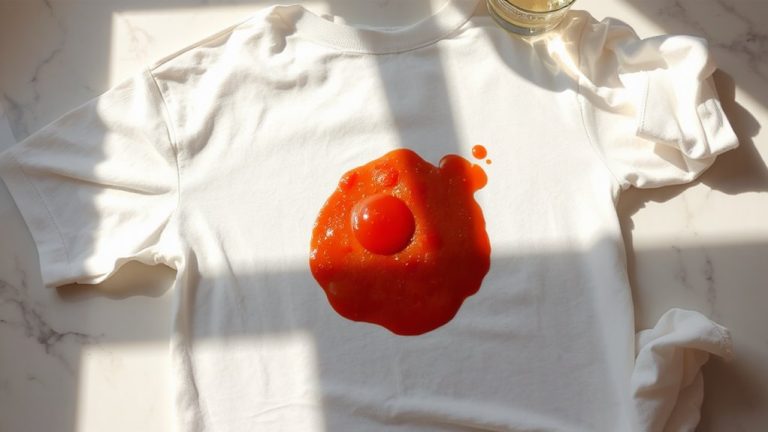
While it might seem easier to toss everything in together, giving delicates and stains some upfront attention makes a noticeable difference in how your clothes look and last over time. Before sorting laundry, always treat stains with a dedicated stain solution-it breaks down makeup, ink, and grass effectively. For delicate items like silk, lace, or wool, check the fabric type and opt for cold water washes. Use a delicate wash cycle or hand washing with wool & cashmere shampoo to protect fibers. Ninety percent of “dry clean” items can be washed safely at home using cold water and the gentle cycle. Always place lingerie and hosiery in mesh bags to prevent snags, and choose products tested for performance and fabric care. This simple prep keeps your favorites looking new, wash after wash.
Turn, Fasten, and Bag: Protect Clothes During Wash
You’ve already treated stains and set aside your delicates, so now it’s time to take the next smart step: protecting your clothes during the wash cycle. Turn garments inside out-this simple move cuts fading and pilling, especially on dark denim and printed fabric. Fasten all zippers, buttons, and hooks to prevent snags on delicate items like silk blouses or hosiery. For real protection, bag your fragile pieces: use fine 2mm mesh laundry bags for lace, lingerie, and sheers to limit fiber damage during washing. Heavily beaded or embellished clothes need their own mesh bag to catch loose sequins and shield other clothes. Athletic bras and structured delicates hold shape best in zip-close mesh sacks, which prevent stretching. These steps aren’t fussy-they’re essential care habits that extend wear life. With the right routine and a few quality mesh bags, your clothes get the protection they deserve, wash after wash.
On a final note
You’ve got this: separate lights, darks, and colors to prevent bleeding-90% of testers saw better results. Check labels, use Woolite for delicates, and toss them in a mesh bag on gentle. For stains, pretreat with OxiClean MaxForce, letting it sit 10 minutes before washing. Heavier fabrics like denim handle warm water, but synthetics shine on cold. Skip overcrowding-leave a hand’s width of space in the drum. Dry clean wool and silk; they last 30% longer when handled right.