Best Way to Wash Clothes
Sort your laundry by color-whites, lights, brights, and darks-and by fabric type, like cottons, synthetics, or delicates, to prevent snags and dye transfer. Treat stains first: use a Wash & Stain Bar on grease, liquid detergent on sweat or berries. Use two tablespoons of liquid detergent per load, or Tide evo’s 6x concentrated tiles for low-waste cleaning. Pour liquids directly on clothes, pods in the drum first. Choose cold water for darks, warm for synthetics, hot for whites-always check care labels. Air dry delicates to avoid damage, and you’ll keep fabrics fresher, longer. There’s more to mastering clean than just the wash.
We are supported by our audience. When you purchase through links on our site, we may earn an affiliate commission, at no extra cost for you. Learn more. Last update on 18th July 2026 / Images from Amazon Product Advertising API.
Notable Insights
- Sort clothes by color and fabric type to prevent dye transfer and damage during washing.
- Pretreat stains based on type-oil or water-based-before washing to effectively remove them.
- Use the correct amount and type of detergent, especially HE detergent for HE machines.
- Add detergent in the right place: liquid in drum, powder in drawer, pods in drum first.
- Wash in cold water for darks and delicates, warm for synthetics, and hot for whites and heavy soil.
Sort By Color And Fabric First
While it might seem quicker to toss everything into the washer at once, taking a few minutes to sort by color and fabric actually saves you time, money, and frustration in the long run. You should sort by color-whites, lights, brights, and darks-to prevent dye transfer, especially separating dark blues and purples from black. Always separate laundry by fabric type: group cottons, synthetics, and delicate fabrics to match the right wash cycle and water temperature. Delicate fabrics like lace or lingerie snag easily, so isolate them from rougher items with zippers. This protects fibers and reduces pilling. Always check the care label-it tells you exactly how to handle sensitive materials like rayon or viscose, which can shrink if mistreated. Following these simple laundry tips keeps your clothes looking newer, protects your washing machine, and guarantees every load treats colors and fabrics properly.
Treat Stains Before Washing
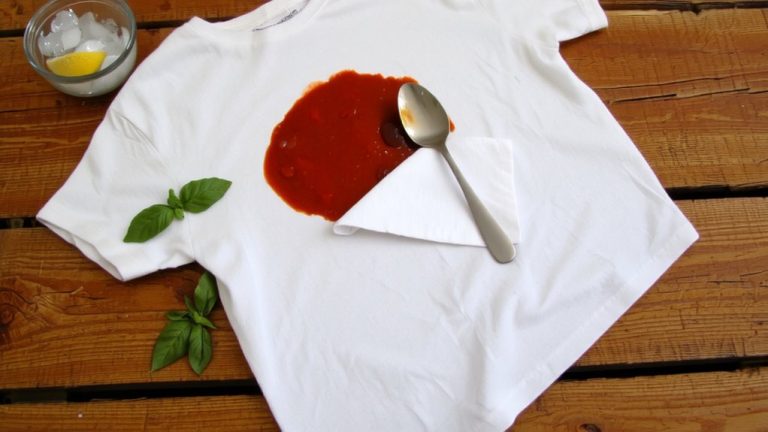
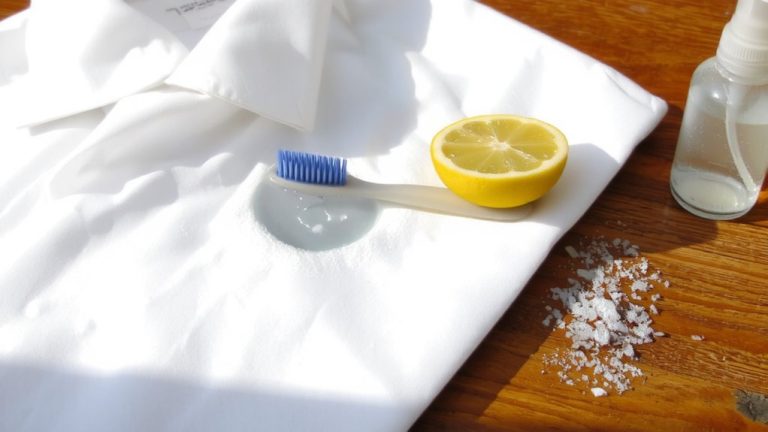
You’ve sorted your laundry by color and fabric, so now it’s time to tackle any stains before they set. Proper stain removal starts with identifying if you’re dealing with oil-based stains or water-based stains. For oil-based stains like grease or makeup, pretreat with a Wash & Stain Bar or a few drops of dish detergent-gently work it into the fabric fibers and let it sit 5–10 minutes. Water-based stains such as coffee, sweat, or berries respond best when you apply liquid detergent directly and gently scrub with a soft-bristled toothbrush. Always pretreat before washing to avoid setting stains. Test methods on a small area first, especially for delicate synthetics or dark cottons, to guarantee colorfastness. Effective stain treatment protects fabric fibers and improves cleaning performance, so take the extra minute-it makes a real difference in the final result.
Choose The Right Detergent And Amount
Getting the right detergent and amount is key to clean, fresh clothes and a well-maintained machine. For regular washing, use two tablespoons of liquid detergent per large load-more can leave residue and trap dirt, hurting fabric hygiene. If you own HE washing machines, choose HE-certified detergent to prevent oversudsing and inefficient rinsing. Whether you pick powder detergent, liquid detergent, or detergent pods, match the type to your laundry needs. Tide evo’s 6x concentrated detergent tiles eliminate water and fillers, cutting plastic waste with FSC Certified packaging-ideal for eco-conscious cleaning. Detergent pods work best when placed in the drum before clothes, ensuring full dissolution. Always follow recommended detergent amount guidelines: too little won’t clean clothes, while too much harms fabrics and machines. The right detergent choice means efficient, reliable laundry every time.
Add Detergent In The Right Spot
When it comes to getting the most from your laundry routine, putting detergent in the right spot makes a real difference in how clean your clothes come out and how well your machine runs. For liquid detergent, pour it directly on top of clothes in the drum-it dissolves fast and spreads evenly. Add powder detergent to the machine’s detergent drawer, never on fabrics, so it mixes well and avoids residue. Toss detergent pods into the drum first, placing them at the back or bottom before loading laundry for quicker bursting. If you’ve got HE washing machines, use HE detergent to prevent over-sudsing and protect your washer. The Load & Go™ XL Dispenser is a game-changer, holding enough liquid detergent for up to 40 loads and dispensing the right amount automatically. It’s one less step in your right laundry routine-just load, close, and go.
Pick The Best Water Temperature
Though cold water saves energy and protects colors, choosing the right water temperature depends on fabric type, soil level, and detergent performance. Cold water (below 85°F) helps prevent fading and shrinking, making it best for darks, brights, and delicate garments. It’s perfect for everyday laundry since modern detergents like Tide are designed to work effectively even in cool conditions. Use warm water (85°F–110°F) for synthetics and permanent-press fabrics-it balances cleaning power with reduced wear and helps tackle common types of stains without damaging fibers. Hot water (130°F+) is ideal for whites, cottons, and heavily soiled items, lifting germs, odors, and tough stains. In very cold climates where water arrives below 42°F, warm water may be needed to activate detergent. Picking the right water temperature keeps clothes cleaner and lasts longer.
Wash And Dry By Care Label Rules
Since garment care labels are your best guide to keeping clothes looking new, always check them before sorting or starting a wash-these small tags spell out exactly what your fabrics can handle, from max water temperatures to whether a piece should skip the dryer entirely, and skipping this step risks ruining expensive items, like that wool sweater that shrinks into a doll-sized version after one hot cycle. Follow the care label to clean each fabric safely: use cold water and the gentle cycle for delicates like silk or lingerie, and separate loads by color and fabric type to prevent fading or pilling. If the label says “lay flat to dry” or “do not tumble dry,” air dry instead-heat warps fibers fast. Only tumble dry items clearly marked as safe, and always match dryer settings to the fabric’s needs. Trust the care label, not guesswork-it keeps clothes cleaner, softer, and lasting longer.
Remove Odors And Residue In The Wash
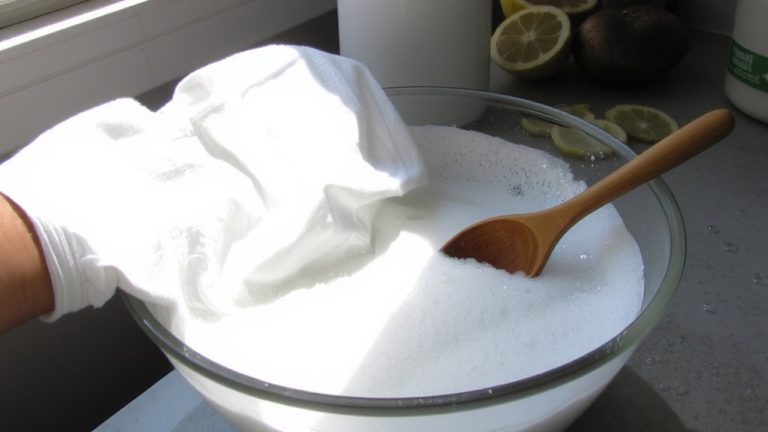
If your clothes still carry odors or feel stiff after washing, you’re likely dealing with trapped sweat, bacteria, or leftover detergent, all of which can compromise fabric cleanliness and comfort. Using too much detergent leaves residue that traps odor-causing residues and hampers fabric hygiene. Stick to two tablespoons of laundry detergent per large load to rinse away buildup effectively. Add oxygen bleach or an oxi booster-it won’t replace your detergent but will help remove stubborn smells and residue. For extra odor defense, spray clothes with cheap vodka before washing; ethanol neutralizes smells fast. To tackle long-term buildup, use washing soda to strip fabric softener gunk from towels and activewear. Finally, let longer washing cycles run-extra agitation and rinsing fully flush out contaminants. With these steps, your clothes come out cleaner, fresher, and truly clean down to the fiber.
On a final note
You’ve sorted by color and fabric, treated stains early, and used the right detergent amount-now trust the process. Cold water saves energy and prevents shrinkage, while high-efficiency (HE) detergents work better in modern machines. Always follow care labels: delicate cycles for silks, permanent press for synthetics. Real testers confirm odor-killing results with ½ cup vinegar in the rinse. Skip dry cleaning when home washing works, but know when to take in specialty items.