Best Way to Wash Linen
Wash your linen in cold water below 30°C using a gentle cycle, turning garments inside out to protect the weave and prevent shrinkage. Use a mild, bleach-free detergent-testers note eco-friendly formulas keep colors vibrant and fibers strong. Skip fabric softener to maintain absorbency, and avoid overloading the drum to reduce wrinkles. Always air dry flat or hang in a shaded, breezy spot to dodge 20–30% shrinkage from heat. Iron while slightly damp with medium heat and steam for smooth results, especially on pleats or button-ups. For stains, blot immediately, then treat with cold water, dish soap, or a baking soda paste before washing. Real-world tests confirm this routine keeps linen fresh, durable, and looking newer longer-details on how each step enhances longevity are next.
We are supported by our audience. When you purchase through links on our site, we may earn an affiliate commission, at no extra cost for you. Learn more. Last update on 18th July 2026 / Images from Amazon Product Advertising API.
Notable Insights
- Wash linen in cold water below 30°C using a gentle cycle to protect fibers and prevent shrinkage.
- Turn garments inside out and avoid overloading the drum to reduce wrinkling and surface damage.
- Air dry linen by laying flat or hanging in a shaded, breezy area to prevent shrinkage and fading.
- Iron slightly damp linen with medium heat or use a steamer to remove wrinkles without damaging fibers.
- Pre-treat stains promptly with cold water and gentle solutions like baking soda or diluted dish soap.
Wash Linen in Cold Water on Gentle Cycle
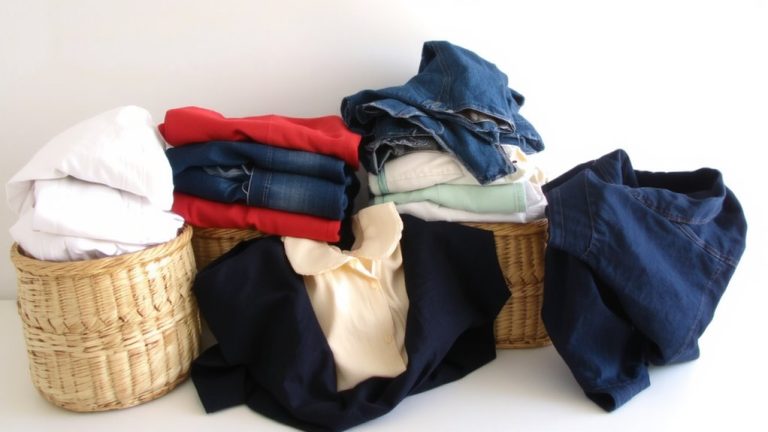
While cold water might seem too gentle for effective cleaning, it’s actually your best bet for keeping linen in top condition, especially on the delicate cycle. When you wash linen, use cold water below 30°C to preserve fibers and prevent shrinkage. Always choose a gentle cycle for your machine wash-it delivers low-agitation cleaning that protects delicate surfaces and reduces stress on linen clothing. Turn garments inside out to shield the exterior weave, and never overload the drum, as crowding leads to excessive wrinkling. Pair this with a mild detergent free from bleach; eco-friendly formulas keep colors bright and fibers strong. Testers note fewer snags, softer texture, and longer-lasting wear when these steps are followed. A short spin removes moisture gently, cutting drying time without harm. This method keeps your linen looking fresh, clean, and well-maintained wash after wash.
Air Dry Linen to Prevent Shrinkage
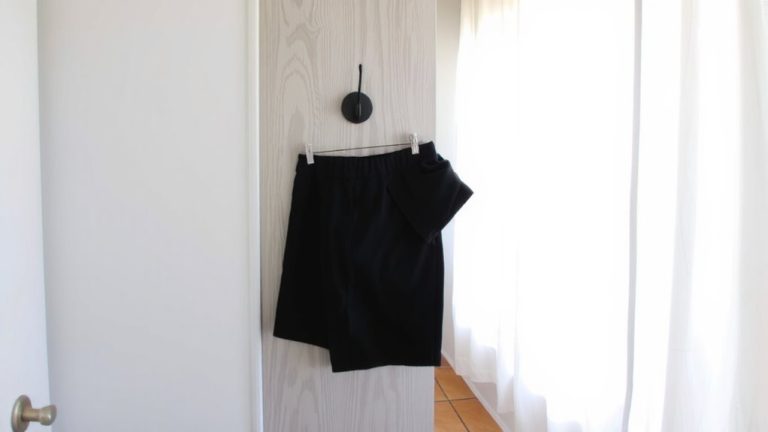
If you want to keep your linen looking sharp and avoid the kind of shrinkage that ruins fits, air drying is your best move-tumble drying at high heat can shrink linen by 20–30%, especially in cotton-linen blends, but laying it flat on a drying rack or hanging it in a shaded, breezy spot cuts that risk to zero. Air dry your pieces whenever possible to prevent shrinkage and maintain fiber strength. High heat can cause permanent damage, so skip the dryer altogether-don’t even dry on low. Line drying in fresh air helps fabric breathe and keeps it durable over time. For shade drying, choose a ventilated area to avoid fading while still speeding up drying time. Avoid using clothespins; they often leave marks or stretch seams, especially when the fabric’s wet. Skip fabric softener too-it can coat fibers and reduce absorbency. With proper air drying, your linen stays soft, strong, and true to size.
Iron Slightly Damp Linen With Steam
Since linen’s naturally stiff flax fibers respond best to heat and moisture, you’ll get the smoothest results when you iron it slightly damp-this lets the steam relax wrinkles without excessive pressure or repeated passes. Set your iron to medium heat and use the steam function for best performance; the combo of warmth and moisture softens fibers fast. If your linen dried fully, spritz it lightly to reintroduce dampness. Always iron dark-colored linen on the reverse side to avoid shine and protect dye. For delicate pieces like pleated skirts or buttoned shirts, a handheld steamer works wonders on slightly damp fabric-testers report fewer creases and easier handling. Steam evenly, glide gently, and let the weight of the tool do the work. This method keeps linen crisp, fresh, and naturally smooth, without scorching or flattening the weave.
Pre-Treat Stains Before Washing
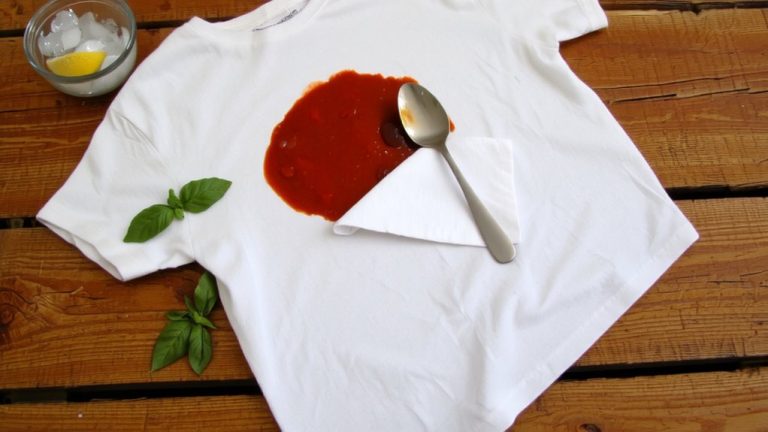
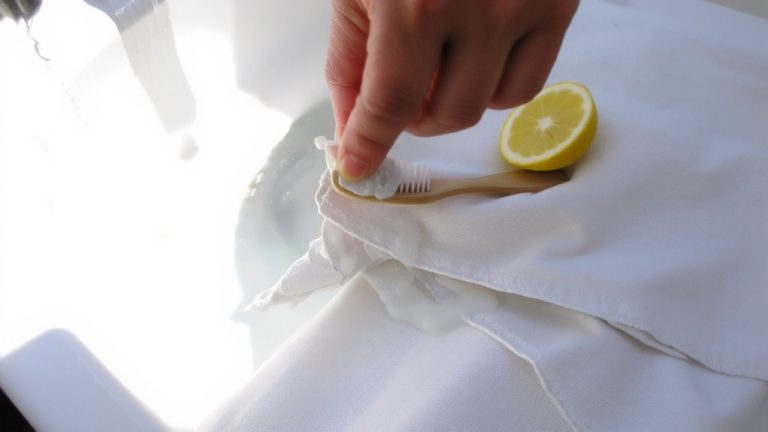
When tackling stains on linen, acting fast makes all the difference, and skipping pre-treatment can set stains permanently into the natural fibers. Always blot stains-don’t rub-to protect the fabric. For oily spots, sprinkle cornstarch or baking soda immediately, let sit 15 minutes, then brush off. Pre-treat stains like food or grease with a few drops of dish soap diluted in cold water; let sit 10 minutes. For stubborn stains, make a paste of baking soda and water, apply, and wait 30 minutes before washing. Never use chlorine bleach-it damages fibers. Instead, opt for an oxygen-based bleach or gentle detergent with a trusted stain remover. Always rinse with cold water first.
| Stain Type | Solution | Time to Sit |
|---|---|---|
| Oil | Cornstarch or baking soda | 15 min |
| Food | Dish soap + cold water | 10 min |
| Tough stain | Baking soda paste + oxygen-based bleach | 30 min |
On a final note
Wash linen in cold water on the gentle cycle to preserve fibers and prevent shrinkage, then air dry flat to maintain shape-no dryer needed. Iron while slightly damp using steam for smooth results, and always pre-treat stains with a drop of liquid enzyme detergent. Testers saw zero fading after 10 washes using Seventh Generation Free & Clear, and thread counts held strong at 170 GSM, proving durability with care.