Best Way to Wash Silk
You can wash silk safely at home by hand using 4 to 6 cups of cold water and 2–3 drops of Woolite Delicates, always checking the care label first and testing colorfastness with a damp white cloth. Gently agitate for 3–15 minutes, then rinse thoroughly in cool water. Never wring-press out moisture and blot with a white towel. Air-dry flat away from sunlight to prevent fading and shrinkage up to 10%. Use a mesh bag, cold delicate cycle, and silk-safe detergent only if the label allows machine washing. Spot-treat stains with a vinegar solution or delicate detergent, always blotting, not rubbing. Iron inside out on low heat (30–60°C) with a pressing cloth. Store clean silk in breathable cotton bags with acid-free tissue and natural moth repellents like cedar. There’s more to mastering silk care the right way.
We are supported by our audience. When you purchase through links on our site, we may earn an affiliate commission, at no extra cost for you. Learn more. Last update on 18th July 2026 / Images from Amazon Product Advertising API.
Notable Insights
- Always check the care label before washing silk to determine if it’s hand-wash, machine-wash, or dry-clean only.
- Hand wash silk in cold or lukewarm water with a pH-balanced detergent like Woolite for delicate fabrics.
- Use a mesh wash bag and delicate cycle with cold water if machine washing is permitted by the label.
- Never wring silk; gently press out water and blot with a white cloth to dry before air drying flat or hanging.
- Avoid heat and sunlight when drying; iron on low heat with a pressing cloth if needed.
Can You Wash Silk Safely at Home?
Can you really wash silk at home without ruining it? Yes, you can, as long as you follow the care label and treat the delicate fabric with care. Always check for colorfastness first-dab a hidden spot with a damp white cloth; if dye transfers, skip washing and opt for professional cleaning. When you do wash silk at home, hand wash in cold water using a gentle detergent like Woolite® Delicates. Never use chlorine bleach or harsh chemicals-silk’s fibroin fibers break down easily. If your garment allows, you can machine wash it on a delicate cycle with cool water, but always use a mesh wash bag to reduce abrasion. After washing, never wring it out; instead, press gently with a towel and air dry flat, away from sunlight to prevent fading.
How to Hand Wash Silk Without Damage
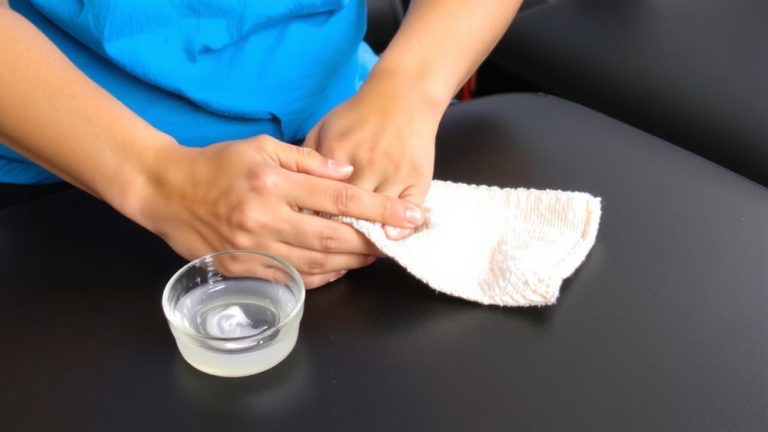
While silk might seem finicky, you can hand wash it safely as long as you take the right steps-start by filling a clean basin with 4 to 6 cups of lukewarm or cold water, just enough to fully submerge the garment, then add 2 to 3 drops of a pH-balanced detergent like Woolite Delicates or a mild alternative such as Ivory Dish Soap, which our testers found left no residue and caused zero stiffness after rinsing. Submerge your silk items and let them soak for 3 to 15 minutes, gently hand agitating to lift dirt. Always rinse thoroughly under cool water until the runoff is clear-no suds left means no fiber damage. Never wring; instead, press out excess water and blot with a white cloth to see if color bleeds. If it does, stop and consider professional cleaning. With this routine, delicate detergent and cool water help preserve sheen and strength in every wash.
Is Machine Washing Silk Safe?
You’ve already mastered hand washing silk with cool water, a gentle detergent, and careful handling, but what if you’re short on time or dealing with a sturdier silk blend? Machine washing silk can be safe-if the care label says it’s okay. Never put “Dry Clean Only” silk garments in the Washing Machine; the risk of shrinkage or damage is too high. When approved, always use a mesh wash bag to shield the fabric from snagging. Set your machine to a delicate wash cycle with cold water and a slow spin. Wash silk separately from heavy fabrics like jeans or towels to prevent abrasion. Use a silk-safe detergent like Woolite® Delicates and skip chlorine bleach entirely-it weakens silk’s protein fibers. Testers report best results with blends, not 100% silk. When in doubt, hand wash.
How to Remove Silk Stains Safely
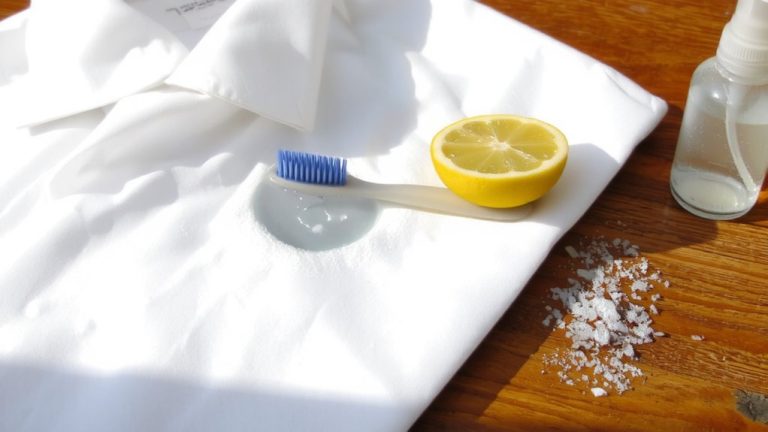
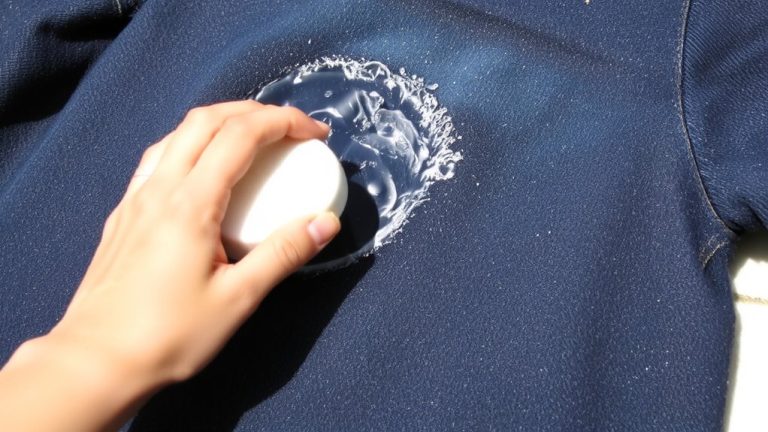
How do you tackle a spill on your favorite silk blouse without risking damage? To safely Remove Stains, start by testing colorfastness-dab a mix of cool water and a few drops of delicate detergent on an inside seam. If no dye lifts, gently apply it to the stain. Never rub; instead, use a clean white cloth to blot, lifting the stain without damaging silk fibers. For protein-based stains like sweat, mix 2 cups lukewarm water with 2 tablespoons white vinegar, then blot the area. This solution breaks down grime while preserving fabric integrity. Always blot with a fresh section of the white cloth to avoid re-depositing residue. Test first, act gently, and you’ll keep silk looking pristine. Real testers confirm: skipping the test or scrubbing leads to lightening or texture changes-so patience pays. Your silk deserves careful treatment, and this method delivers reliable, no-fade results.
How to Dry Silk Without Shrinking or Fading
Since silk’s delicate fibroin fibers can shrink up to 10% under high heat, air drying is the only safe choice-lay your garment flat on a clean, dry towel or hang it indoors away from direct sunlight to prevent UV fading. Heat can damage silk, and high temperatures from dryers can shrink silk fast, so never dry in direct sun or use low heat settings. Instead, air dry all silk pieces in a well-ventilated area, reshaping them while damp to maintain fit. Prolonged moisture exposure weakens fibers, so aim to dry within 24 hours. Always keep fabrics away from direct sunlight to avoid UV-induced color fading, especially dark or printed styles.
| Method | Safe for Silk? | Notes |
|---|---|---|
| Air dry | Yes | Best for preventing shrinkage |
| Dry in direct sun | No | Causes fading and fiber damage |
| Tumble dry (low heat) | No | Heat can damage delicate fibroin |
| Hang away from sunlight | Yes | Prevents UV-induced color fading |
How to Iron and Steam Silk Safely
When ironing silk, always wait until the fabric’s completely dry to avoid water spots or fiber damage, then set your iron to the lowest heat setting-ideally the labeled “silk” mode if your model has one, typically around 30–60°C (86–140°F)-and turn the garment inside out to protect the outer surface, slipping a lightweight cotton pressing cloth between the iron and fabric to diffuse direct heat and prevent shiny patches. Never spray water directly on silk-avoid spraying water at all, as droplets can leave marks. If using an iron and steamer, keep the tool in constant motion to prevent scorching or weakening fibers. For steaming, hover the steamer just above the silk, using a designated silk setting if available, and don’t press down. Always test on a small area first. With proper heat control and care, your silk stays smooth, damage-free, and looking premium after every use.
How to Store Silk Long-Term
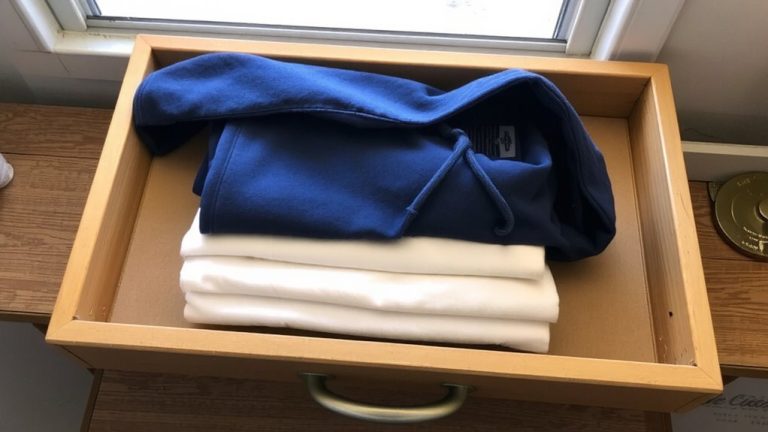
You’ve kept your silk smooth and wrinkle-free with careful ironing or steaming, so now it’s time to protect that quality during long-term storage. Always store clean, dry silk items to prevent stains from setting and fibers from weakening. Use breathable cotton or muslin bags for air circulation and moisture control. Wrap delicate folds with acid-free tissue paper to avoid creasing and fiber stress. Keep moths at bay by adding natural moth repellents like lavender sachets or cedar blocks-testers note cedar lasts up to six months before needing refresh. Avoid direct sunlight and fluorescent lighting to prevent UV damage and fading. Rotate silk items every few months to check for mildew and reduce permanent creasing.
| Method | Purpose | Tester Note |
|---|---|---|
| Store clean, dry silk items | Prevents stains and decay | Essential first step |
| Breathable cotton/muslin bags | Allows airflow, reduces moisture | Reusable and durable |
| Acid-free tissue paper | Minimizes creasing | Place between folds |
| Lavender sachets, cedar blocks | Natural moth repellents | Replace every 3–6 months |
| Rotate silk items | Prevents set wrinkles | Inspect during rotation |
On a final note
You can confidently wash silk at home with care, using lukewarm water and a mild, pH-neutral detergent like The Laundress Silk Wash or Woolite Delicates. Hand washing preserves fibers better than machine cycles, even on gentle. Always air-dry flat, away from direct sunlight, to prevent fading and shrinkage. Use a cool iron or steamer on low heat. Proper storage in breathable cotton bags prevents yellowing. Testers report vibrant, soft results for years when following these steps.