Cellulase in Detergents: Renewing Cotton Appearance by Removing Pilling
I never knew a single ingredient could undo years of cotton wear—until I saw the peel-away effect of cellulase in action.
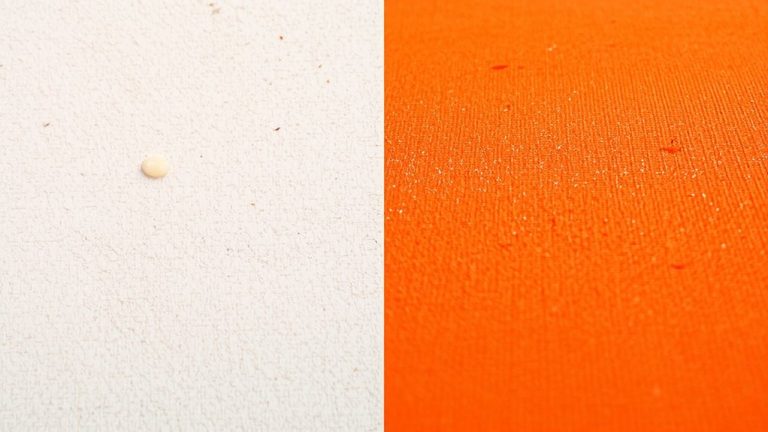
I never knew a single ingredient could undo years of cotton wear—until I saw the peel-away effect of cellulase in action.
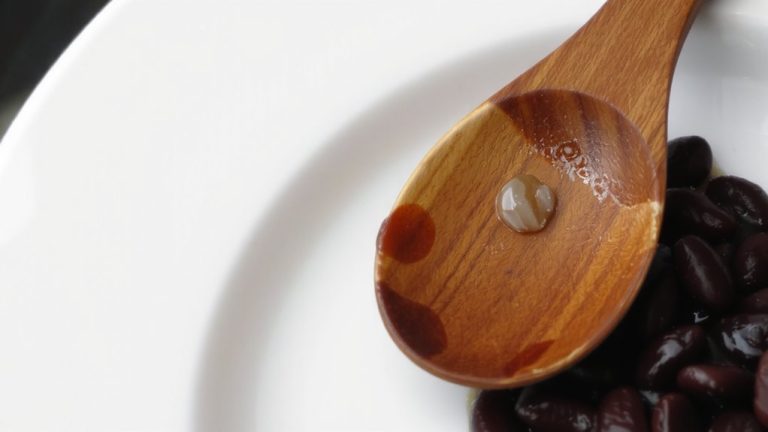
Power through stubborn bean and sauce stains—mannanase dismantles galactomannans in cold water, but that’s just the beginning of its cleaning revolution.
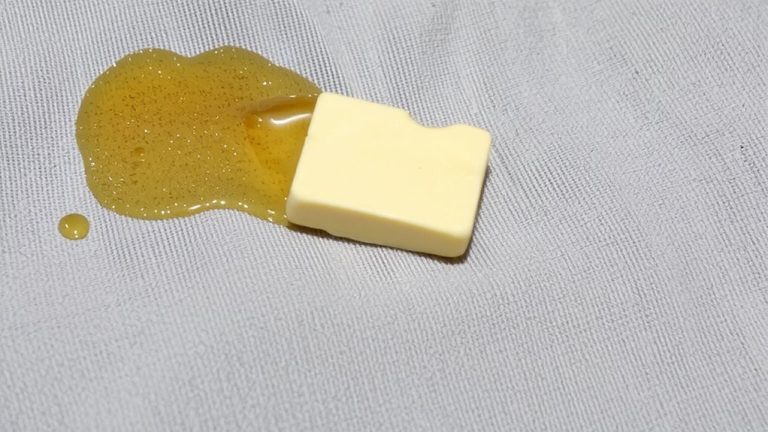
Fungal lipases (Rhizopus oryzae, Aspergillus niger) hydrolyze triglycerides for up to 90% stain removal on cotton at 30–45°C, pH 7.6–9.2. See how it works.
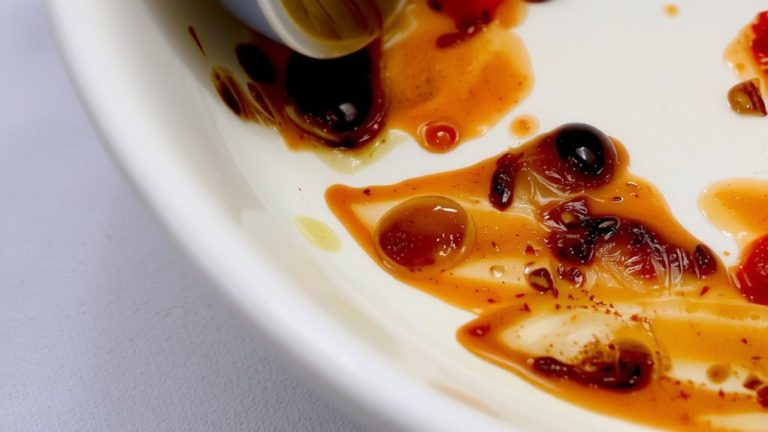
Discover how amylase quietly revolutionizes laundry—its starch-digesting power starts at low temperatures, but the full story of cleaner, brighter fabrics unfolds deeper.
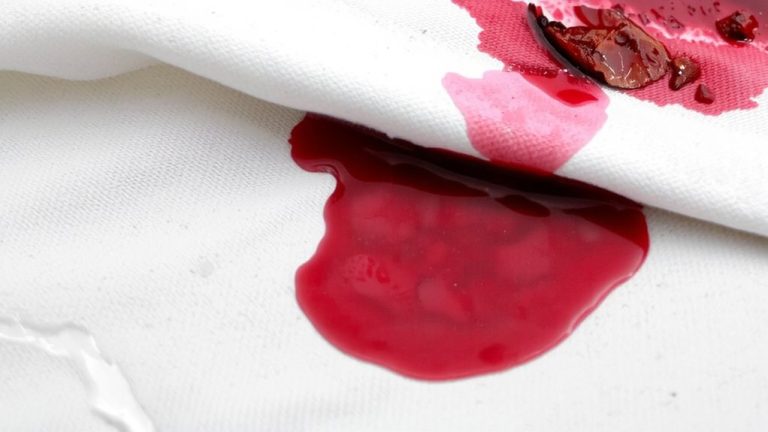
Protease enzymes cleave peptide bonds to lift blood and egg proteins, working best at 30°C and pH 8-10.5 for up to 95% stain reduction. See how it works.
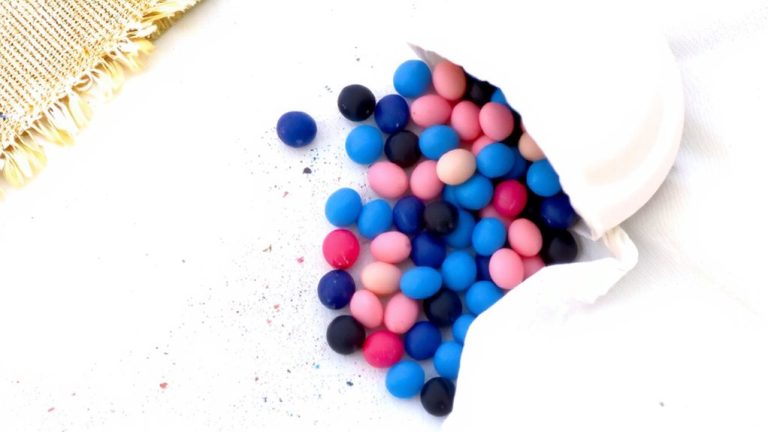
How do hidden dyes in detergents turn your bright whites into stained losses—and what are you risking with every wash? The truth might surprise you.
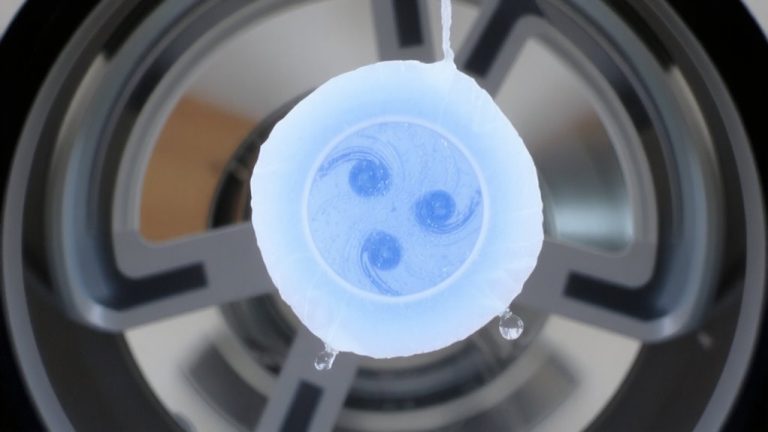
Perfectly engineered solubility enhancers prevent clogs—but how do they maintain peak performance through thousands of cycles? The answer lies in a precise balance of chemistry and design.
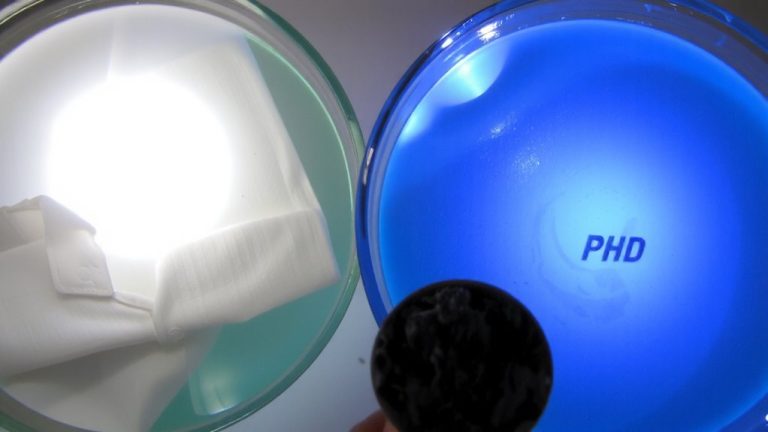
Leveraging pH modifiers unlocks superior cleaning—but what happens when alkalinity meets fabric chemistry? The answer transforms every wash.
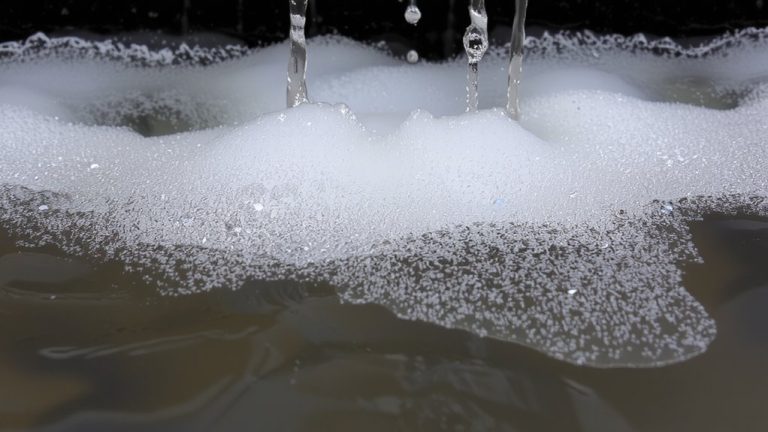
Many washing machines silently release hidden pollutants—discover the truth behind silicones in detergents and what it means for your clothes and the planet.
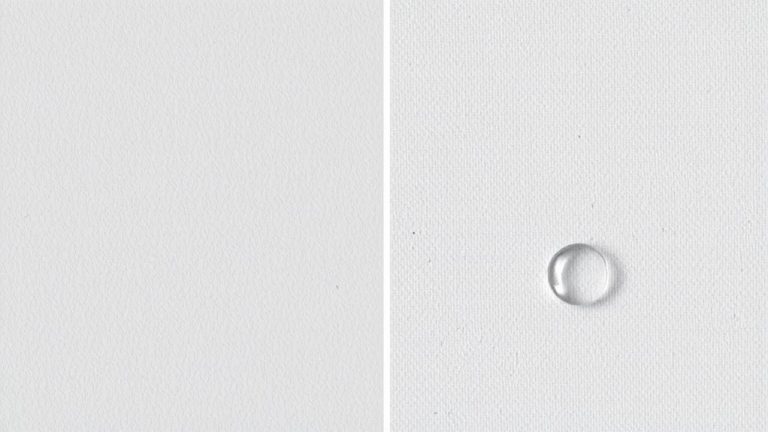
Just when you thought laundry detergents had it all figured out—discover the unsung hero keeping whites brilliantly bright.