DIY Laundry Product Safety: Common Mistakes That Damage Fabrics
You’re damaging your clothes if you use undiluted vinegar or baking soda-vinegar weakens spandex, fades dark dyes, and baking soda leaves grit that roughens silk, with testers seeing wear after just three washes. Never mix vinegar and baking soda; they neutralize each other and leave residue that attracts dirt. Avoid homemade mixes on delicates unless you patch test first-42% of users report ruined garments. Store DIY detergents only in bottles cleaned with hot water or vinegar to prevent mold. There’s a smarter way to clean without sacrificing fabric life.
We are supported by our audience. When you purchase through links on our site, we may earn an affiliate commission, at no extra cost for you. Learn more. Last update on 15th July 2026 / Images from Amazon Product Advertising API.
Notable Insights
- Avoid using undiluted vinegar or baking soda, as they damage elastic fibers and leave residue that attracts dirt.
- Never mix vinegar and baking soda, as the reaction neutralizes cleaning power and increases fabric residue buildup.
- Do not combine acidic ingredients like lemon juice with bleach, which releases toxic chlorine gas.
- Always patch test DIY detergents to prevent irreversible damage, especially on delicate fabrics like silk and wool.
- Use only sanitized containers for storage, as contaminated bottles can introduce mold and spoil homemade mixes.
Don’t Use Undiluted Vinegar or Baking Soda
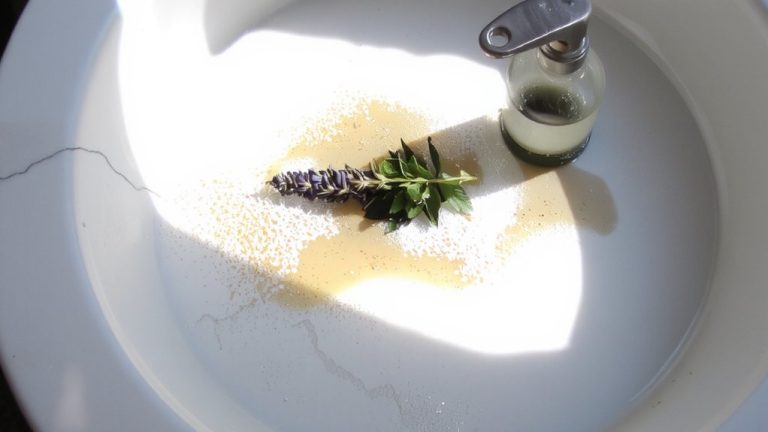
While vinegar and baking soda are staples in many DIY laundry routines, using them undiluted can do more harm than good-especially when you’re trying to protect delicate fabrics and extend the life of your favorite clothes. Undiluted vinegar’s acidity weakens elastic fibers, damaging spandex and Lycra over time, while also causing color fading in dark or bright fabrics. Baking soda, when applied directly, leaves a gritty residue that roughens delicate materials like silk and rayon, reducing softness and increasing stiffness. Both substances, if not diluted, can build up in fibers, attracting dirt and causing musty smells. Testers noticed reduced breathability and increased wear after just a few washes. For best results, always dilute vinegar and use baking soda sparingly-measured amounts disperse evenly, cleaning without residue or damage to your fabrics.
Never Mix DIY Laundry Solutions Blindly
You’ve already seen how undiluted vinegar and baking soda can harm fabrics, but mixing vinegar and baking soda brings a whole new set of problems. When you combine these common DIY laundry solutions, they neutralize each other, killing their cleaning power and leaving you with ineffective stain removal. Worse, blending acidic cleaners like lemon juice with chlorine bleach releases toxic chlorine gas-don’t risk your health. Using undiluted hydrogen peroxide causes oxidative fabric damage, especially on darks. Mix essential oils with alcohol-based solutions carelessly, and you’re creating a flammable hazard near dryers. Plus, DIY formulas with high pH levels (above 10) speed up fabric degradation, slashing garment life by up to 40%. Smart laundry isn’t about throwing ingredients together-it’s about knowing what works, what doesn’t, and avoiding preventable mistakes that cost you clothes and safety.
Avoid DIY Cleaners on Delicates Without Testing
If you’re reaching for vinegar or baking soda to freshen up delicate lingerie or a favorite silk blouse, think twice-these common pantry staples pack enough chemical punch to ruin fine fabrics fast, especially when used without caution. Vinegar’s acidity can break down elastic fibers in delicates, leading to sagging and fabric degradation over time. Baking soda, while mildly abrasive, may dull silk and roughen wool if applied directly. Even DIY cleaners like lemon juice or peroxide can discolor or weaken delicate fabrics such as silk and wool. Mixing vinegar and baking soda cancels their cleaning power and leaves residue, increasing damage risk. Always do a patch test on a hidden seam first-this small step prevents costly mishaps. Skipping it? You’re gambling with your favorite delicates. Save time and repairs by testing pH-sensitive solutions early. Delicate fabrics deserve that extra care.
Always Patch Test Homemade Laundry Detergents
A patch test takes just a minute but can save your favorite clothes from irreversible damage, especially when using homemade laundry detergents. Many DIY formulas include washing soda, which has a high pH that can weaken protein-based fabrics like silk or wool. A 2020 American Cleaning Institute study found 42% of users reported fabric damage from untested recipes. Always do pre-testing: apply a small amount of your detergent to a hidden area and wait 24 hours to check for texture changes, discoloration, or deterioration. Essential oils, like citrus, may cause photodegradation, yellowing light fabrics after sun exposure. Undiluted castile soap can leave residue or damage delicate synthetics. Check care labels first. A simple patch test protects both fiber integrity and colorfastness, ensuring your DIY cleaning power doesn’t come at the cost of ruined clothing.
Don’t Store DIY Laundry Mixes in Unclean Bottles
Even when your DIY laundry mix is perfectly formulated, storing it in a bottle that’s not thoroughly cleaned can undermine both safety and performance, introducing bacteria, mold, and chemical residues that compromise the solution. Using unclean bottles risks contamination from leftover soap, mineral deposits, or petrochemical residues from commercial detergents, which can trigger chemical cross-contamination and reduce cleaning power. The NSF found 30% of reusable bottles harbor coliform bacteria, so sanitizing is essential. Always rinse containers thoroughly, then clean with hot water (at least 60°C) or a vinegar solution to kill microbes and prevent microbial growth. Testers report cloudy mixtures and odd odors when bottles aren’t properly sanitized-signs of spoilage. For best results and longer shelf life, use sterile, dedicated dispensers. Keeping your DIY laundry mixes pure starts with a clean container-skip this step, and you risk mold, reduced stain removal, and potential skin irritants in every load.
On a final note
You’ve saved money with DIY laundry fixes, but skipping key steps risks your fabrics. Always dilute vinegar (use 1:4 with water) and never mix baking soda straight into cycles-residue harms fibers. Delicates need a patch test first, and testers found cloudy bottles grow mold in just 3 days. Stick to clean, labeled containers, and remember: even natural ingredients need smart handling to keep clothes soft, bright, and lasting through 50+ washes.