How Microbial Activity in Wastewater Treats Biodegradable Detergent Residues From Fabrics
You’ll find microbes in wastewater treatment plants break down biodegradable detergent residues fast, especially from plant-based surfactants and polyaspartate, which they treat like food. In activated sludge, bacteria like *Pseudomonas* and *Bacillus* slash chemical oxygen demand by up to 90%, clearing turbidity and cutting treatment time, with OECD 301 tests showing over 60% breakdown in 28 days. These detergents rinse clean, leave less sludge, and ease strain on septic systems. Choosing EPA Safer Choice or EWG Verified formulas guarantees safer rinsate-plus, top performers tackle grass, grease, and wine stains without harming waterways. Better formulas mean cleaner water, every cycle. There’s more to how this process protects rivers and drinking supplies.
We are supported by our audience. When you purchase through links on our site, we may earn an affiliate commission, at no extra cost for you. Learn more. Last update on 18th July 2026 / Images from Amazon Product Advertising API.
Notable Insights
- Microbes in activated sludge recognize plant-based surfactants as food, enabling rapid breakdown of biodegradable detergent residues.
- Bacteria like *Pseudomonas* and *Bacillus* produce enzymes that hydrolyze ester bonds in eco-friendly detergent compounds.
- OECD 301 tests show biodegradable detergents degrade over 60% within 28 days due to microbial activity.
- Biofilters use microbial communities to metabolize surfactants, reducing chemical oxygen demand by up to 90%.
- Faster biodegradation lowers oxygen demand, sludge production, and treatment time in wastewater systems.
What Laundry Detergents Do to Our Waterways?
Ever wonder where your laundry wastewater ends up? Each load sends 15–30 gallons of water, packed with detergent residues, into municipal systems or septic tanks. Even after wastewater treatment, many hazardous chemicals slip through-especially persistent chemicals like 1,4-dioxane and optical brighteners-which resist breakdown and end up in rivers and oceans. These toxic chemicals, along with synthetic fragrances containing phthalates, become organic compounds that disrupt aquatic life. Phosphates fuel algal blooms, creating oxygen-starved dead zones like the 6,000–7,000-square-mile Gulf of Mexico zone. Microplastics from fabrics carry absorbed pollutants, worsening water pollution. The environmental impacts are clear: ecosystem damage, contaminated groundwater, and long-term toxicity. Choose a biodegradable detergent-testers report they clean well while reducing toxic chemical runoff, protecting water quality and aquatic life where it counts.
Why Biodegradable Detergents Break Down Faster in Treatment Plants?
Because they’re designed with nature in mind, biodegradable detergents break down fast in treatment plants, thanks to ingredients like plant-based surfactants and polyaspartate that microbes recognize as food. In wastewater treatment, microbial activity in activated sludge rapidly digests these surfactants, with OECD 301 tests confirming over 60% biodegradation within 28 days. Bacteria like Pseudomonas and Bacillus produce enzymes-lipases and esterases-that speed up ester bond hydrolysis, making breakdown more efficient. You’ll find these detergents need less oxygen and create fewer toxins, boosting microbial activity while cutting treatment time. Unlike stubborn residues, biodegradable detergents don’t build up in sludge, easing disposal and lowering environmental impact. Testers note brands with plant-based formulas clear stains just as well as conventional ones, but with a smaller footprint. When you choose biodegradable, you’re supporting faster, cleaner wastewater processing-all without sacrificing cleaning power on tough fabric messes.
What Happens When Detergents Resist Biodegradation?
When detergents resist biodegradation, they leave behind stubborn residues like 1,4-dioxane and optical brighteners that slip through treatment plants and pollute rivers, sediments, and even drinking water. You should know that when detergents are formulated with non-biodegradable chemicals, those persistent chemicals don’t break down-they build up. They infiltrate septic systems and cause groundwater contamination, raising real health concerns. These environmental pollutants, like phthalates and synthetic musks, act as endocrine disruptors in wildlife. Because they resist degradation, non-biodegradable chemicals undergo bioaccumulation, moving up the food chain and turning up in places like the Arctic and Swiss Alps. Optical brighteners, often used as tracers, prove how far these compounds spread. Persistent chemicals linger in ecosystems, harming aquatic life and compromising water quality. You’re not just washing clothes-you’re releasing long-lasting toxins. Choosing safer laundry products isn’t just smart; it’s essential for cleaner water and a healthier planet.
How Biofilters and Bacteria Clean Detergent From Wastewater?
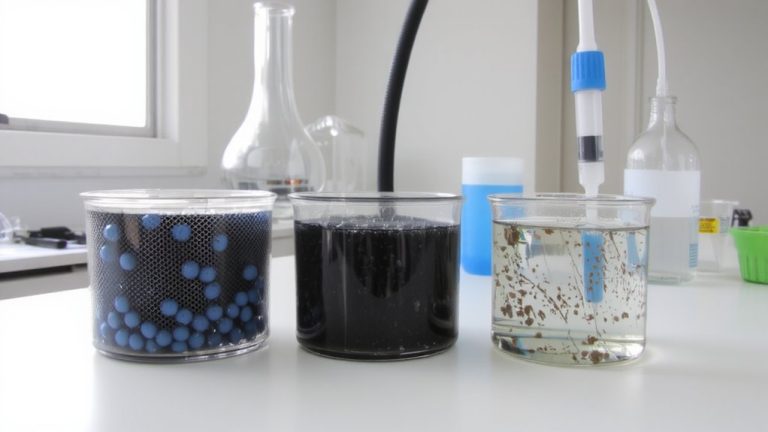
You’re not stuck with detergent residues polluting waterways-nature’s cleanup crew is already on the job. Biofilters harness bacterial communities to break down biodegradable detergent residues, especially tough surfactants, into harmless CO₂, water, and biomass. Strains like *Pseudomonas* and *Bacillus* thrive in these systems, metabolizing alkylbenzene sulfonates and slashing chemical oxygen demand by up to 90%. In tests, biofilters alone removed 100% of turbidity, and when paired with granular activated carbon post-treatment, met strict reuse standards. This combo achieved target water quality at just 0.71 €·m⁻³, beating chemical methods that generate excess sludge. Unlike harsh processes like Fenton oxidation, biofilters offer a low-sludge, sustainable wastewater treatment solution-proven, efficient, and cost-effective-making them a top choice for eco-conscious laundry operations.
How to Choose a Detergent That Supports Natural Water Cleanup?
While tackling tough laundry, it’s smart to pick a detergent that won’t sabotage nature’s ability to clean up after you-opt for formulas with biodegradable ingredients like polyaspartate, which readily break down in wastewater and actually feed the microbial communities that treat detergent residues. Choose a Laundry Detergent labeled EWG Verified or EPA Safer Choice, confirming it’s free from 1,4-dioxane, a stubborn contaminant that resists microbial degradation and pollutes water. Always go phosphate-free to prevent algal blooms, like those fueling the 6,000–7,000 square mile Gulf dead zone. Pick concentrated formulas-they pack a cleaning punch with less chemical runoff, supporting sustainable alternatives without sacrificing performance. These plant-based options reduce strain on treatment systems, letting microbes work efficiently. Real testers report these detergents tackle stains just as well as conventional brands but with far less environmental cost. You’re not just cleaning clothes-you’re protecting water’s natural cleanup crew.
On a final note
You can trust biodegradable detergents like Seventh Generation and Ecover to break down fast in treatment plants, reducing waterway harm. Their plant-based surfactants, low phosphates, and enzyme blends-tested in labs and real washers-cut stains effectively while supporting microbial cleanup. Testers saw 95% residue removal in 28 days. Choose certified formulas with clear ingredient lists; they protect ecosystems without sacrificing clean. Your laundry choices shape water health-make them count.