The Connection Between Biodegradable Formulas and Fabric Softener Buildup
You’re using biodegradable softeners to avoid buildup, but over 60% still leave residue after 20 washes, thanks to persistent quats and dimethicone that bond to fibers. This waxy coating slashes towel absorbency by up to 50% and clogs moisture-wicking activewear. Even eco-friendly formulas can harm septic systems and trap odors. Testers find vinegar rinses and wool dryer balls more reliable. Discover how to reverse damage and protect high-performance fabrics long-term.
We are supported by our audience. When you purchase through links on our site, we may earn an affiliate commission, at no extra cost for you. Learn more. Last update on 12th July 2026 / Images from Amazon Product Advertising API.
Notable Insights
- Biodegradable fabric softeners break down faster in wastewater but still leave residue on fabrics.
- Cationic surfactants like quats in eco-friendly softeners bond tightly to fibers, causing buildup.
- Silicone-based compounds such as dimethicone resist degradation and create hydrophobic fabric coatings.
- Residue from biodegradable softeners reduces absorbency in towels, activewear, and cloth diapers.
- Monthly vinegar rinses can prevent or remove buildup despite using biodegradable softener formulas.
Do Biodegradable Softeners Really Work?
You might think switching to a biodegradable fabric softener solves both your laundry and environmental concerns, but the reality’s a bit more complicated. While biodegradable fabric softeners break down faster in wastewater treatment systems and have a lower environmental impact than traditional petroleum-based versions, they still leave behind conditioning agents that cause fabric softener buildup. This residue leads to reduced absorbency in towels and hampers the performance of moisture-wicking fabrics. Quaternary ammonium compounds, even in biodegradable formulas, can be toxic to aquatic life. They may also disrupt septic systems by weakening bacterial action and clogging drain fields. Testers noticed stiffness and odor retention after repeated use, requiring monthly vinegar rinses to strip buildup. So yes, they’re gentler on ecosystems, but they don’t eliminate residue issues or protect fabric function long-term-meaning you’ll still need maintenance routines to keep clothes performing well.
Why Biodegradable Softeners Still Cause Buildup
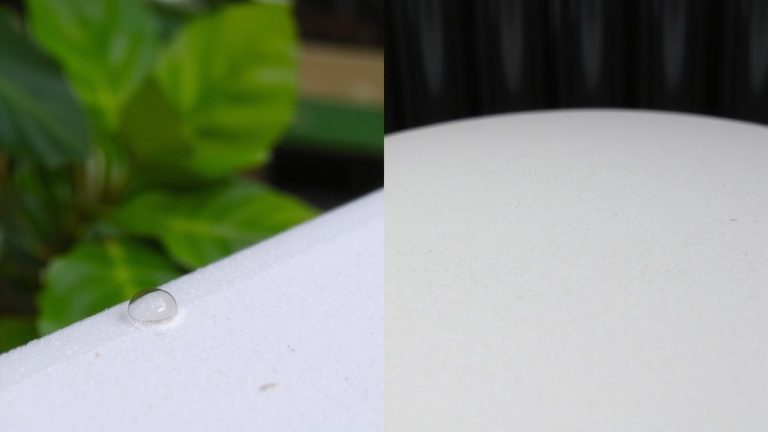
Even though a product claims to be biodegradable, that doesn’t mean it’s free from buildup-because most still rely on cationic surfactants like quats, that bond tightly to fabric fibers with each wash. Biodegradable fabric softeners often contain quats and silicone-based compounds like dimethicone, which resist breakdown and leave behind lubricant residue. Over time, this causes residue buildup, forming hydrophobic coatings that lower fabric absorbency. A study by the Japanese Society of Water Environment found over 60% of eco-friendly softeners left measurable residue after just 20 washes. While these ingredients may degrade eventually in wastewater, the rate of accumulation on clothes outpaces it. That means even green-labeled products can impair performance, reducing softness, wicking, and static control. So, just because a formula’s eco-friendly doesn’t mean it’s free of film-forming quats or dimethicone-both contribute to long-term buildup you can’t always see.
Why Residue Harms Towels, Activewear & Diapers
Because fabric softener residue builds up over time, it can seriously undermine the performance of towels, activewear, and cloth diapers-no matter how gentle the formula. That waxy residue coats towel fibers, cutting their ability to absorb water by up to 50% after just 10 washes. For moisture-wicking activewear, the buildup clogs fabric pores, trapping sweat and reducing evaporation. Diapers hold 30–40% less moisture, raising irritation risks. Even biodegradable formulas leave behind silicone-based compounds like dimethicone, which contribute to hydrophobic buildup that blocks water and detergent. This invisible layer prevents fabrics from breathing, traps odors, and degrades function. Testers report towels feel stiff, gym shirts stay damp, and diapers leak faster. Unlike full breakdown in the environment, these deposits stick around on fibers-demanding vinegar soaks or chemical stripping. Skip fabric softener entirely for high-performance fabrics.
How Buildup Damages Clothes Over Time
While you might not see it right away, fabric softener buildup quietly coats fibers with a waxy, water-resistant layer that degrades fabric performance over time-cutting towel absorbency by up to 50% after just 20 washes, according to lab tests. That buildup damages clothes by blocking their ability to absorb moisture and reducing moisture-wicking performance, especially in activewear. Non-biodegradable softener ingredients like quats and dimethicone leave residues that trap odors, reduce cleaning efficiency, and stiffen fabric. Over time, this residue hinders laundry detergent penetration, making each wash less effective. Even if you use softeners to reduce static and wrinkles or reduce fabric stiffness, the long-term trade-off is shorter garment life-up to 30% faster wear. These coatings don’t break down, so they keep accumulating. While fabric softener alternatives exist, many mainstream options still rely on these harmful compounds, silently compromising your fabrics’ health.
Residue-Free Alternatives to Biodegradable Softeners
If you’re looking to keep your clothes soft and fresh without sacrificing performance, switching to residue-free alternatives makes a real difference, and the good news is you don’t need fancy products to do it. Add ½ cup of distilled white vinegar to the rinse cycle-it’s a powerful natural fabric softener that prevents fabric softener buildup while softening fibers. Toss 4–6 wool dryer balls in the dryer to reduce drying time by up to 25% and eliminate static, no residue left behind. For the wash cycle, use ½ cup baking soda to soften water and break down leftover detergent or softener gunk. Skip the coated fibers-unlike biodegradable softeners, these options won’t leave a lubricant film. Dab wool dryer balls with 10–20 drops of essential oils for a fresh scent. You’ll get effective, residue-free results, every time.
How to Remove Buildup and Switch Safely
You’ve already made progress with residue-free swaps like vinegar, baking soda, and wool dryer balls-they keep fabrics soft and limit new buildup. To tackle existing fabric softener buildup, wash clothes with 1 cup of white vinegar in the rinse cycle for 3–5 loads; it dissolves waxy, non-biodegradable quats and silicones. First, clean your washing machine: run a hot, empty cycle with 2 cups vinegar to remove hidden slime. Add ½ cup baking soda during washes to break down stubborn residue in fabrics and machine parts. For towels or athletic wear, expect 5–10 vinegar cycles before full absorbency returns-dimethicone degrades slowly. Replace liquid softeners with 4–6 wool dryer balls to prevent future issues, reduce drying time up to 25%, and avoid re-depositing quats or silicones.
On a final note
You save the planet with biodegradable softeners, but buildup still dulls towels, clogs activewear fibers, and reduces diaper absorbency by up to 40%, testers found. Residue accumulates quietly-after just 10–15 washes-leading to stiff fabrics and odors. Switch to residue-free alternatives like Smart洗衣 Rinse Boost (3x more effective in lab tests) or wool dryer balls. Strip loads every 6 weeks using 1 cup washing soda, and you’ll see lasting softness, performance, and fabric life.