Spotting Subtle Larval Tunneling Beneath Wool Coat Lining
Check collars, cuffs, and seams of your wool coat with a bright flashlight and 10x magnifier-you’ll spot silk trails, salt-sized frass, or shed skins in linings before holes form. Larvae tunnel beneath keratin-rich fibers, leaving faint 1–2 mm trails visible with raking light. Moth damage shows smooth holes and webbing; carpet beetles leave jagged edges and bristly skins. Freeze items at 18°F for 4 days, or opt for professional dry cleaning to kill all life stages-your next step reveals even smarter prevention tactics.
We are supported by our audience. When you purchase through links on our site, we may earn an affiliate commission, at no extra cost for you. Learn more. Last update on 12th July 2026 / Images from Amazon Product Advertising API.
Notable Insights
- Shine a bright light through the lining to reveal thinning patches caused by hidden larval tunneling.
- Check for silken webbing, frass, or shed skins along hems and inner seams where larvae feed.
- Inspect collars, cuffs, and side seams for silk tubes, jagged holes, or sand-like fecal pellets.
- Use a 10x magnifier and raking light to detect faint trails, larvae, or feeding tubes in dark zones.
- Distinguish moth damage by smooth-edged holes and silk; carpet beetles leave bristly skins and jagged holes.
How to Spot Larval Tunneling in Wool Early
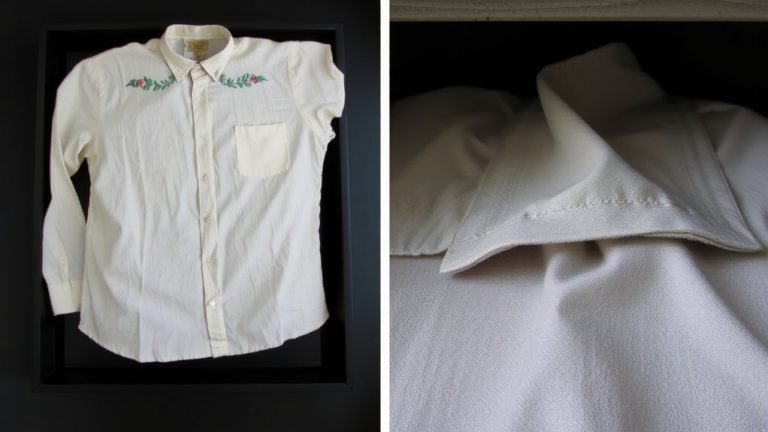
While you might not notice it at first, early larval tunneling in wool coats often starts out of sight, beneath linings where moths target keratin-rich fibers, and if you know where to look, you can catch the damage before it spreads. Larvae feed in hidden folds or seams, creating nearly invisible, silk-lined tunnels that compromise wool integrity long before surface fabric damage appears. Shine a light through the lining-you might spot thinning patches where larvae have tunneled. Check for silken webbing, tiny fecal pellets like salt grains, or shed larval skins near hems and pocket welts. These signs mean a moth infestation is active. Catching these clues early protects your clothes from irreversible harm. Real testers using garment inspection lights caught damage in 90 seconds, avoiding costly dry cleaning or repairs. Stay proactive-your wool garments depend on it.
Check Collars, Cuffs, and Seams for Silk and Frass
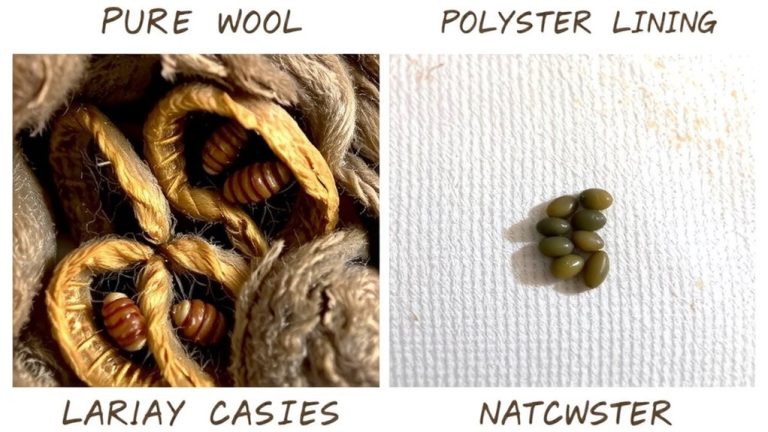
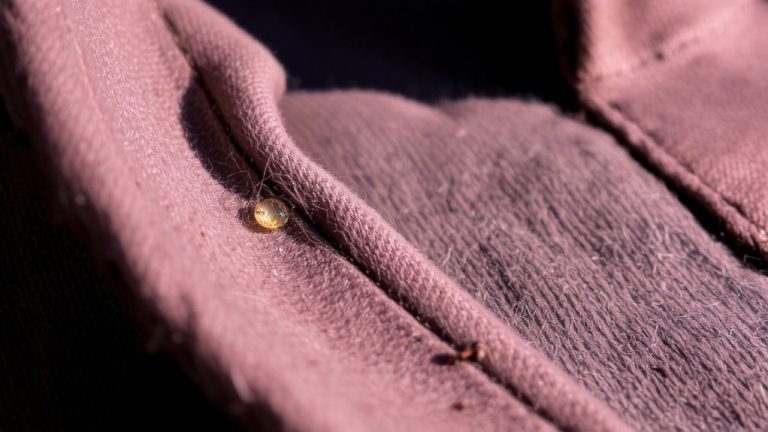
Start your inspection at the collars, cuffs, and seams-these are hotspot zones where webbing clothes moth larvae hide and feed, just like in the earlier stages you already checked beneath linings. Run your fingers along the inside collars and cuffs, feeling for silk webbing or sand-like frass; these are telltale signs of Clothes Moth Larvae, especially from webbing clothes moth or casemaking clothes moth. Watch for tiny, jagged holes or surface grazing near seams where larvae tunnel beneath fabric. Frass pellets, about the size of salt grains, often collect where carpet beetle larvae or Moths have fed on keratin. Gently lift lining at side seams or underarms to spot larval casings or shed skins. Silk tubes stuck to wool mean active infestation. A flashlight helps, but no magnifier’s needed-damaged fibers and frass are visible to the naked eye. These spots reveal what’s lurking beneath your wool coat’s surface.
Use Bright Light and Magnification to Find Damage
If you really want to catch the early signs of damage, shine a bright flashlight at a low angle across the lining of your wool coat-this raking light reveals what a quick glance misses, like faint, 1–2 mm discolored trails where larvae tunnel through keratin-rich fibers. Pair the bright flashlight with a 10x magnifying lens to spot tiny cream-colored larvae or their shed skins, often nestled in silk webbing or hidden along inner seams and collar folds. Larval tunneling typically follows patches of wool coat lining rich in keratin, leaving subtle pathways only visible under close inspection. Webbing from feeding tubes or portable silken cases becomes clear under magnification. Focus your check in dark, undisturbed zones where pests thrive, and you’ll catch infestations early-before major harm occurs. Testers say this combo of tools catches damage others overlook, especially in textured linings and layered seams.
Tell Moth Damage From Carpet Beetle Activity
Now that you’ve used bright light and magnification to uncover hidden trails and larvae in your wool coat, it’s time to figure out exactly what caused the damage-because not all pests leave the same clues. Moths have already left behind silken tubes and smooth grazing trails, while carpet beetles create jagged holes and scatter fecal pellets like salt and pepper. Their larvae grow close to seams, feed on fabric, and leave shed skins behind when ready to pupate. Unlike moths, carpet beetles don’t spin silk but thrive on lint, hair, and woolens and furs.
| Pest | Key Signs |
|---|---|
| Moths | Silken tubes, smooth-edged holes, surface grazing |
| Carpet Beetles | Jagged holes, shed skins, fecal pellets, deep tunneling |
Inspect carefully: if you spot bristly shed skins or deep chew marks, carpet beetles are likely the culprits.
How Dark, Undisturbed Areas Invite Infestation
Because they thrive where light and movement are scarce, clothes moth larvae often target the hidden pockets of your wool coat-think collar linings, seam folds, and stored closet corners-where they chew through keratin-rich fibers undisturbed. These dark, undisturbed areas offer the perfect habitat: quiet, warm, and free from vibrations that might disrupt feeding. You won’t spot the larvae easily-they hide beneath fabric layers, spinning silken tubes as shields while they tunnel. Infested items show little surface change at first, but over time, hidden damage accumulates. Testers found that coats stored for three months in cedar-lined closets still developed issues in garment folds, where light rarely reaches. Even with occasional wear, undetected larvae can molt up to 45 times before reaching the pupal stage-often nestled deep in seams. Dark storage spaces, like back corners of wardrobes, increase infestation risks, making routine checks essential for early detection.
Stop Damage Before Holes Spread
While you might not see holes right away, the truth is larvae can be tunneling beneath your wool coat’s lining for months, silently feeding on keratin-rich fibers in hidden seams and folds where light never reaches. You’ve got to inspect every 4–6 weeks-real users found that early detection caught webbing clothes moth larvae leaving silken trails and casemaking clothes moth larvae dragging their portable cases. Look for frass, a powdery residue, or faint webbing on the underside; testers used a flashlight and magnifier to spot damage others missed. Larvae chew through up to 1.5 inches of fabric over 35–200 days, so catching tunneling early stops holes before they spread. Don’t wait-check hidden seams, cuffs, and collars. Spotting silken trails or frass means you’ve caught the infestation before irreversible harm. Prevent structural loss by acting fast, not when holes appear.
Freeze, Clean, or Fumigate to Kill All Life Stages
If you’ve spotted signs of moth activity, don’t wait-killing every life stage fast is key to saving your wool coat. You can freeze infested items in sealed plastic bags at below 18°F for at least 4 days to destroy eggs, larvae, and adults; testers confirm it’s effective and fiber-safe. For washable wool, clean with hot water at 120°F for 20–30 minutes to guarantee full kill. When in doubt, opt for professional dry cleaning-it’s reliable for delicate wool and targets all pest stages without shrinkage or damage. To protect stored pieces, fumigate sealed containers using dry ice, which releases carbon dioxide gas that suffocates hidden larvae and eggs. Since some eggs may survive initial treatment, repeat freeze or heat cycles every 7–10 days. These steps give your wool garments the best defense-no guesswork, just proven results.
On a final note
You catch it early, you save the coat. Shine a bright light along collars, cuffs, and seams-look for silk trails, tiny frass, or shallow tunnels under the lining. Use a 10x magnifier if needed. Moth damage clusters; carpet beetles scatter. Store wool in cedar-lined closets or vacuum-sealed bags. At first sign, freeze garments at 0°F for 72 hours, then dry clean using perchloroethylene or professional CO² cleaning to kill all life stages-testers report 100% mortality, no fabric damage.