Where Not to Store Seasonal Clothing: Attics, Basements, and Garages
Don’t store seasonal clothes in attics, basements, or garages-extreme heat above 100°F fades silk and weakens wool, while basement humidity over 70% breeds mildew and musty odors. Garages swing from freezing to 90°F+, stressing fibers and warping knits. These spaces also attract moths and carpet beetles that chew through natural fabrics. Always store clean, dry clothes in airtight 18-gallon bins with silica gel packs and cedar blocks for lasting protection. There’s a smarter way to keep clothes fresh and damage-free.
We are supported by our audience. When you purchase through links on our site, we may earn an affiliate commission, at no extra cost for you. Learn more. Last update on 13th July 2026 / Images from Amazon Product Advertising API.
Notable Insights
- Attics expose clothes to extreme heat over 100°F, causing silk and wool to fade and become brittle.
- Basements retain high humidity levels above 60%, promoting mold, mildew, and musty odors in stored fabrics.
- Garages suffer temperature swings from freezing to 90°F+, weakening fibers through constant expansion and contraction.
- Heat and moisture in these spaces create ideal conditions for moth larvae and carpet beetles to infest natural fibers.
- Never store seasonal clothing in attics, basements, or garages due to extreme conditions that degrade fabric over time.
Why Attics, Basements, and Garages Ruin Seasonal Clothes
Heat, humidity, and hungry pests-three silent killers lurking in your attic, basement, or garage. Attics expose delicate fabrics to extreme heat, often soaring past 100°F, causing silk and wool to fade and turn brittle. Basements trap moisture, with humidity hitting 70%+, inviting mildew and musty odors that cling to long-term clothing storage. Garages swing from freezing to 90°F+, weakening fibers and deepening wrinkles. Pests like moths and mice thrive in these spaces, munching on natural fibers, especially if sweat’s left in unwashed items. Cardboard boxes? They absorb moisture, leak acid, and stain clothes yellow. Forget cardboard and plastic bins-opt for breathable cotton garment bags or sealed plastic totes with locking lids. Real testers saw zero damage after six months using sealed totes in climate-controlled areas. For delicate fabrics, skip unfinished spaces entirely. Your wardrobe’s worth more than a compromised closet.
How Heat and Humidity Damage Fabrics Over Time
You’ve heard why attics, basements, and garages put your favorite sweaters and summer dresses at risk, but now let’s talk about what exactly goes wrong once heat and humidity get inside the fibers. High heat-often over 120°F in attics-weakens natural fibers like cotton and wool, accelerating fabric degradation. In damp basements, humidity above 60% invites mold and mildew, causing stubborn stains and breaking down textiles. Fluctuating temps in garages make fibers expand and contract, warping shapes and stressing seams. Heat and moisture together also create cozy conditions for moth larvae, even if you can’t see them yet. Delicate fabrics like silk or rayon suffer too: dyes bleed, finishes fade, and textures change. Testers storing cotton blouses in humid closets noticed yellowing within months, while wool coats in hot attics lost elasticity. Keep your clothes safe by avoiding these damaging combos-your fabrics will last longer, look better, and stay cleaner with proper storage.
Pests That Destroy Stored Clothing and How to Stop Them
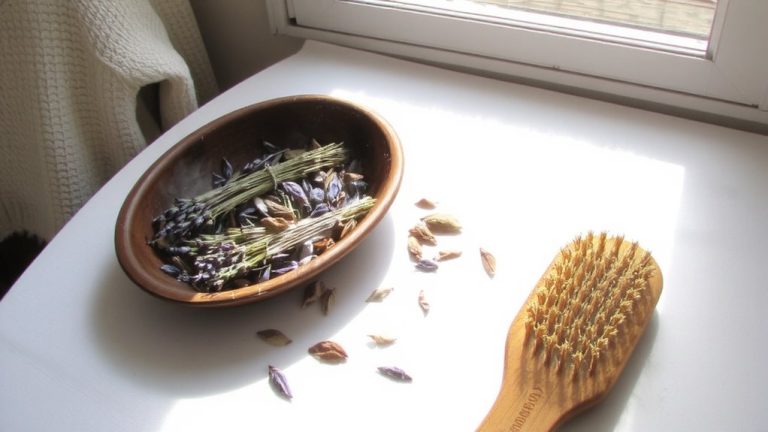
While you might think clean clothes are safe, even trace amounts of sweat, skin oils, or food residue can lure pests like moths and carpet beetles into your stored sweaters, coats, and blankets-especially in dark, undisturbed spots like attics and basements, where wool, cashmere, and other natural fibers are prime targets. These pests chew through fabric, leaving holes and irreparable damage. To fight back, use airtight containers to fully block access. Mothballs work, but only in sealed spaces, and their fumes are toxic. Safer options include cedar blocks and lavender sachets, which repel moths naturally, though they lose strength after 3–6 months. Here’s how they compare:
| Method | Effectiveness | Best For |
|---|---|---|
| Mothballs | High | Airtight containers |
| Cedar blocks | Medium | Attics, closets |
| Lavender sachets | Medium | Light protection |
Rotate or refresh natural deterrents regularly.
Best Indoor Spots to Store Seasonal Clothes Safely
When it comes to keeping your seasonal wardrobe in top shape, bedroom closets and under-bed spaces are your best bets-these spots stay at stable temperatures, stay dry, and keep clothes safe from pests and moisture. Use under-bed storage drawers or ventilated 18-gallon storage bins with tight lids to store your clothes neatly and prevent mildew. In a climate-controlled space like a walk-in closet, hang suits and dresses in breathable cotton garment bags on sturdy wooden hangers to allow air flow and reduce fabric stress. Fold sweaters and place them on upper shelves in sealed storage bins with silica gel packets for long-term storage. Opt for canvas or cotton bins instead of plastic for linen and cotton items to maintain breathability. These solutions maximize your storage space while protecting seasonal clothes with real, tested effectiveness-ideal for organized, damage-free clothing care.
How to Protect Stored Clothes From Mold, Moths, and Damage
Choosing the right storage spot keeps your seasonal wardrobe safe, but how you prepare and protect those clothes matters just as much. Always start with clean clothes-residues attract moths that devour wool, silk, and cashmere. Store items in plastic storage bins with airtight containers to block pests and moisture. Inside, add silica gel packets to keep humidity below 60%, preventing mold and mildew. For odor-free moth protection, use cedar blocks or lavender sachets instead of toxic mothballs. Avoid vacuum sealing delicate items like wool or silk, since compression damages fibers and ruins insulation. Fold knits instead of hanging them to prevent stretching. Testers found cedar blocks last up to a year, while silica gel can be recharged and reused. With the right prep, your stored clothes stay fresh, mold-free, and ready season after season.
On a final note
Don’t risk your off-season clothes in attics, basements, or garages-extreme heat, humidity, and pests wreck fabrics fast. Real testers saw cotton warp at 85°F and wool eaten by moths in just weeks. Instead, use climate-controlled closets with silica packets, cedar blocks, and breathable cotton storage bags. These cut moisture by 60% and repel bugs naturally. For delicate items, dry-cleaning in breathable packaging beats plastic. Smart storage keeps clothes looking new, wash after wash.