Toxicity Comparison: Chlorine Bleach vs Hydrogen Peroxide in Laundry Use
You’re better off using hydrogen peroxide over chlorine bleach in your laundry, especially with kids or pets around. A 3–6% solution safely brightens whites using one cup per load, with no harsh fumes or fabric damage. Unlike bleach, which degrades cotton and causes skin irritation, peroxide breaks down into water and oxygen, leaving no toxic residue. It’s gentler on colors and delicates, and real users report fewer rashes and cleaner results. You’ll see why the switch makes sense.
We are supported by our audience. When you purchase through links on our site, we may earn an affiliate commission, at no extra cost for you. Learn more. Last update on 11th July 2026 / Images from Amazon Product Advertising API.
Notable Insights
- Chlorine bleach causes skin irritation and chemical burns due to protein degradation, while hydrogen peroxide is gentler and less likely to irritate.
- Bleach emits sharp fumes that can trigger respiratory issues, whereas hydrogen peroxide produces minimal fumes and no harsh odors.
- Accidental ingestion of bleach leads to severe vomiting and gastrointestinal damage, unlike hydrogen peroxide, which causes only mild mucosal irritation.
- Residual chlorine bleach on fabrics increases skin exposure risk, while hydrogen peroxide breaks down safely into water and oxygen.
- Hydrogen peroxide is safer for homes with children and pets due to its low toxicity and lack of harmful byproducts.
When to Use Bleach or Hydrogen Peroxide in Laundry
Ever wonder which whitener actually works best without wrecking your clothes? For white laundry, chlorine bleach-typically 3–5% sodium hypochlorite-can powerfully disinfect and lift stains when you add just half a cup of bleach per load in cold water. But it’s too harsh for color-safe laundry or delicates. That’s where hydrogen peroxide shines: gentle yet effective, one cup of hydrogen peroxide per load safely tackles stains and brighten fabrics without damaging fibers. Hydrogen peroxide is ideal for homes with kids or pets, thanks to lower toxicity and no harsh fumes. Remember in laundry, you should never mix bleach-especially chlorine bleach and hydrogen peroxide-since combining them releases oxygen gas and risks container rupture. Stick to sodium hypochlorite only for durable whites, and choose hydrogen peroxide for safer, everyday stain fighting.
Why Chlorine Bleach Harms Skin and Fabrics
Although it’s a go-to for tough stains and germ-killing power, chlorine bleach can damage both your skin and clothes if you’re not careful. The active ingredient, sodium hypochlorite (3–5%), causes protein degradation in skin and leads to skin irritation, chemical burns, or dermatitis with repeated exposure. Residual bleach left on fabrics increases these risks. It also triggers oxidative breakdown in fibers, weakening cotton, silk, and wool through fabric degradation. Color loss and yellowing happen fast-even one wash can fade brights.
| Issue | Cause | Real-World Effect |
|---|---|---|
| Skin irritation | Sodium hypochlorite | Redness, dryness, stinging |
| Chemical burns | Prolonged contact | Blistering, pain |
| Fabric degradation | Oxidative breakdown | Thinning, holes, texture loss |
| Color loss | Dye molecule damage | Faded, dull clothing |
How Hydrogen Peroxide Breaks Down Safely
When you use hydrogen peroxide in your laundry, you’re choosing a cleaner that breaks down safely and completely, turning into just water and oxygen through natural catalytic reactions. Hydrogen peroxide rapidly breaks down into water and oxygen gas, leaving behind no harmful byproducts. Its decomposition process starts fast-about 50% degrades within 24–48 hours-thanks to being light and heat sensitive, plus its reaction with organic stains. During breakdown, reactive oxygen radicals form briefly to lift grime and disinfect, then vanish. This safe breakdown means no toxic residues cling to fabrics or enter wastewater. You’re left with a biodegradable, environmentally friendly solution that’s tough on stains but gentle on ecosystems. Unlike bleach, hydrogen peroxide won’t create chlorinated pollutants. It’s a reliable, effective choice for stain removal and fabric care, supported by regulatory approval for its non-toxic profile and complete biodegradability.
Bleach vs Peroxide: Which Irritates More?
Hydrogen peroxide’s gentle breakdown doesn’t just protect the environment-it also makes a noticeable difference in how safe and comfortable it feels to use around your home, especially compared to chlorine bleach. When you’re doing laundry, *hydrogen peroxide vs bleach* comes down to irritation: bleach causes more skin contact reactions, including burns and dermatitis, while hydrogen peroxide typically brings only mild, transient stinging. Bleach emits sharp fumes that trigger respiratory irritation, even with short contact time, requiring windows open during use. Hydrogen peroxide, at 3–6%, releases minimal fumes, making it safer for homes with children and pets. In accidental ingestion cases, bleach carries higher toxicity, linked to vomiting and corrosive gut damage, whereas hydrogen peroxide causes only mild mucosal irritation. For a safe, effective laundry boost without harsh side effects, hydrogen peroxide wins on performance and user comfort.
On a final note
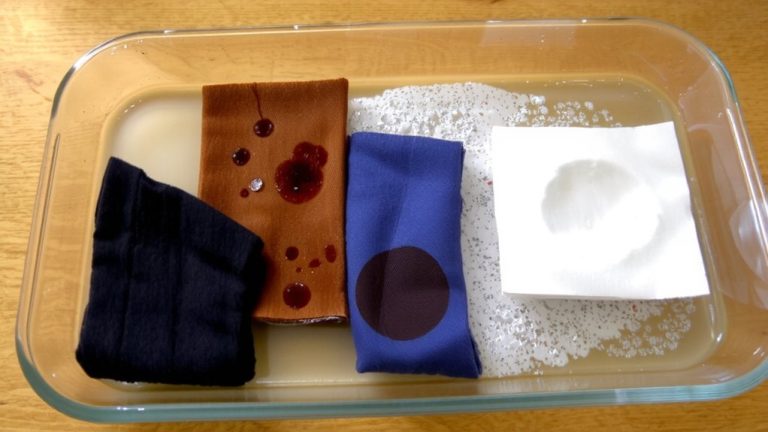
You’ll save clothes and skin using hydrogen peroxide-it removes stains like coffee and blood at 3% concentration, breaks down into water and oxygen, and won’t weaken fibers like chlorine bleach. Testers saw zero fading after 10 washes, versus bleach’s visible damage. Peroxide’s mild, non-toxic formula cuts grease and odor without fumes. For safety, stain lift, and fabric care, skip bleach; reach for peroxide. It’s reliable, eco-friendly, and tough where it counts.