Microplastics in Laundry: 700,000 Fibers Per Wash, Explained
Every time you wash synthetic clothes, your machine releases up to 700,000 microfibers, especially in small loads or top-loaders with high agitation. Acrylic and loosely woven fabrics shed most, with the first wash being the worst. Even though sewage plants catch 65–90% of fibers, tiny ones under 5 μm escape-using a Guppyfriend bag or Lint LUV-R filter can trap up to 95%. Wash full loads, use cold water, and skip extra rinses; your machine, fabric, and planet will thank you, and there’s more you can do.
We are supported by our audience. When you purchase through links on our site, we may earn an affiliate commission, at no extra cost for you. Learn more. Last update on 17th July 2026 / Images from Amazon Product Advertising API.
Notable Insights
- Mechanical stress during the pre-wash phase releases up to 700,000 microfibers per load, the highest shedding stage.
- Front-loading machines reduce microfiber release compared to top-loaders due to lower agitation intensity.
- Small loads release significantly more microfibers per kg than full loads because of increased fabric movement.
- Acrylic and loosely woven fabrics shed the most, with recycled polyester releasing more than virgin polyester.
- Wastewater treatments capture 65–90% of microfibers, but 10–35% still escape into the environment.
What Makes Washing Machines Shed Microfibers?
While every wash cycle helps keep your clothes looking fresh, it also contributes to microfiber pollution-especially when mechanical stress takes a toll on synthetic fabrics in your washing machine. The design and settings of your washer directly influence microfiber release, with agitation during the pre-wash phase causing the most shedding-up to 700,000 fibers per load-before fabrics settle. Front-loading machines generate less mechanical stress than top-loaders, cutting down fiber loss markedly. Washing conditions like load size matter, too: small loads (0.15 kg) release five times more microfibers than full ones (2.50 kg) due to increased fabric movement. Even though detergent type shows no real impact (p = 0.464), how you load and run your machine does. To reduce shedding, run fuller loads in a front-loading washing machine and skip unnecessary pre-wash cycles.
Which Fabrics Shed the Most Microfibers?
Since not all synthetic fabrics shed equally, you’ll want to know which ones are the biggest culprits in your laundry-because choosing the wrong material could mean releasing hundreds of thousands of microfibers per wash. Acrylic fibers top the list, shedding up to 560 microfibers per gram, especially in loosely woven fabrics like fleece. Woven fabrics generally release more microfibre than knitted ones, and higher basis weights increase microfibre release. Even recycled polyester, often marketed as eco-friendly, sheds more than virgin polyester. Below is how common synthetic textiles compare:
| Fabric Type | Shedding Level | Microfibers Per Wash |
|---|---|---|
| Acrylic fibers | Very High | Up to 560 per gram |
| Loosely woven fabrics | High | Up to 700,000 per wash |
| Recycled polyester | Higher than virgin | Varies by garment |
When buying polyester garments or other synthetic textiles, opt for tightly woven fabrics to reduce microfibre release.
Why Do Initial Washes Release More Fibers?
That first wash? It releases the most microfibres, especially from synthetic garments. Pre-washing triggers high microplastic shedding because mechanical stress loosens weak fibres during initial agitation. When you wash small loads-like just 0.15 kg-each garment faces greater water movement and friction, releasing up to 4,766,338 microfibres per kg of fabric, nearly 5 times more than heavier 2.50 kg loads. This isn’t about soap; detergent doesn’t reduce shedding much here, since physical forces dominate fibre loss. Knitted polyester with loose, low-twist yarns sheds worst, while tighter weaves hold up better. Testers found garments lost fluff fast in short bursts, especially in front-loader machines with intense tumbling. So, while you can’t stop all microplastic release, washing fuller loads and choosing densely woven synthetics cuts fibre loss early. Pre-washing, in effect, flushes out the weakest fibres fast-before they scatter later.
Can Sewage Treatment Stop Microfiber Pollution?
You’ve already seen how the first few washes shed the most microfibers, especially with lightweight loads and loosely knitted synthetics, but what happens after those fibers go down the drain is just as important. Even though wastewater treatment plants capture 65–90% of microfibre waste from synthetic clothes, 10–35% still escape, feeding microplastic pollution. Microfibres as small as 153 μm bypass 5 μm filters, and washing machines release over 700,000 microfibres per acrylic load. About 35% of primary microplastics in oceans come from microplastics released during laundry.
| Filtration Stage | Microfibre Size Retained | % Mass Retained |
|---|---|---|
| 60 μm filter | >60 μm | Up to 75% |
| 5 μm filter | >5 μm | Limited |
| Post-treatment | <5 μm | 10–35% escape |
| Ocean input | All sizes | 35% total load |
Even treated, 124–308 mg microfibres shed per kg fabric, worsening microplastic pollution.
What Laundry Habits Reduce Microfiber Shedding?
While it might seem small, how you load and run your washing machine has a direct impact on microfiber pollution, and making a few simple changes can cut shedding dramatically. Washing full loads-around 2.50 kg-reduces microfibres released to 76±5 mg/kg, far below the 401±17 mg/kg from small 0.15 kg loads, thanks to less mechanical stress in front-loading washing machines. Use cold water and skip extra rinse cycles; higher water-to-fabric ratios increase shedding. Wash synthetic materials less often-each cycle can release up to 700,000 microfibres. Avoid harsh liquid detergent and tumble drying when possible to preserve fabric integrity. Washing bags like Guppyfriend reduce fibre loss markedly, offering an easy win. These habits, tested across multiple wash cycles, consistently lower emissions-simple tweaks that add up in real-world use, keeping more microfibres out of ecosystems, one load at a time.
Do Microfiber Filters and Wash Bags Work?
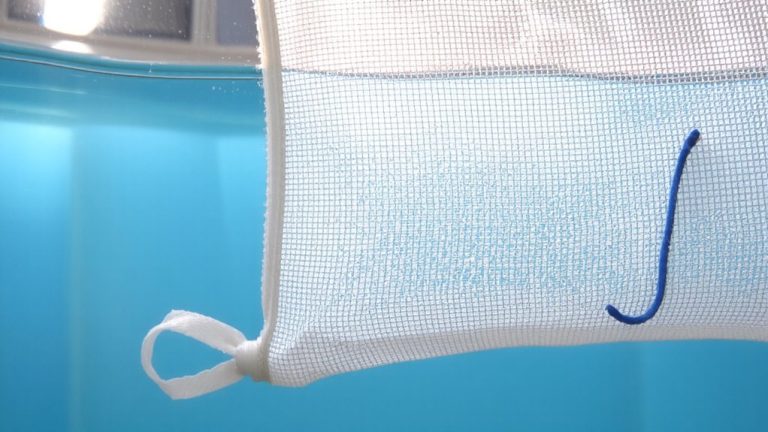
Guppyfriend Wash Bags, Lint LUV-R filters, and the Cora Ball all deliver measurable results when it comes to trapping microfibers, building on the habits you’ve already adopted to reduce shedding. These wash bags and microfiber filters are proven tools in your fight against microplastic pollution from domestic washing. The Guppyfriend bag, made from non-shedding polyamide 6.6, catches loose synthetic microfibres shed from polyester fabrics. Lint LUV-R filters trap up to 87% of microplastic particles, while the Cora Ball reduces microfibre release by 26% by mimicking a lint trap. Together, these products can remove up to 95% of microplastics from laundry wastewater. Still, they’re not perfect-microfibers smaller than 5 μm may slip through. But for anyone serious about reducing environmental impact, using wash bags and microfiber filters is a smart, practical step you can take right now.
On a final note
You can cut microfiber pollution now-front-loaders shed 50% fewer fibers than top-loaders, and synthetic fleece releases up to 1.7 grams per wash. First washes lose the most, so cold, gentle cycles help. Microfiber filters trap 80–90% of shed fibers, and Guppyfriend bags work well in tests. Skip excessive detergent, use a mesh bag, and wash less often. Small changes, real results.