How Pre-Washing New Synthetic Fabrics Reduces Microfiber Shedding
Pre-washing new synthetic clothes removes loose fibers from manufacturing, cutting microfiber pollution by up to 80% when factories use advanced filtration. You’ll shed fewer fibers over time because the fabric stabilizes early, especially with heavy woven acrylics releasing up to 1,300 mg/kg. Industrial systems capture most shed fibers, unlike home washers. Use a Lint LUV-R or Cora Ball to catch up to 87% of stray microfibers-your machine’s missing filter. There’s more to optimizing each load.
We are supported by our audience. When you purchase through links on our site, we may earn an affiliate commission, at no extra cost for you. Learn more. Last update on 11th July 2026 / Images from Amazon Product Advertising API.
Notable Insights
- Pre-washing removes loose fibers from synthetic fabrics before consumer use, reducing initial shedding.
- Industrial pre-washing uses advanced filtration to capture shed fibers, preventing wastewater contamination.
- Fabrics like acrylic and heavy wovens shed the most during pre-washing, making the process most effective for them.
- Pre-washing stabilizes fabric structure, decreasing fiber breakage and shedding in subsequent home washes.
- Controlled industrial pre-wash releases fibers safely, whereas home washing releases all fibers into the environment.
Why Microfibers Shed During Washing
While you might not think about it every time you toss a load into the machine, the truth is that synthetic fabrics like polyester and acrylic start shedding microfibers the moment they rub against each other under water, thanks to the mechanical stress and friction inside your washer. During washing, these conditions cause synthetic fibers to break loose-microfiber shedding is worst in high-density woven fabrics and heavier materials, where more fibers shed per wash. Acrylic, in particular, releases more microfibers than polyester, with tests showing up to 1,300 mg shed per kilogram of fabric. Washing machines’ agitation worsens this, especially with high spin speeds. The fibers shed aren’t visible, but they add up fast-each load can release hundreds of thousands into wastewater. Even top-performing detergents don’t stop this; it’s the fabric and motion driving the damage.
Pre-Wash New Clothes to Reduce Microfiber Pollution
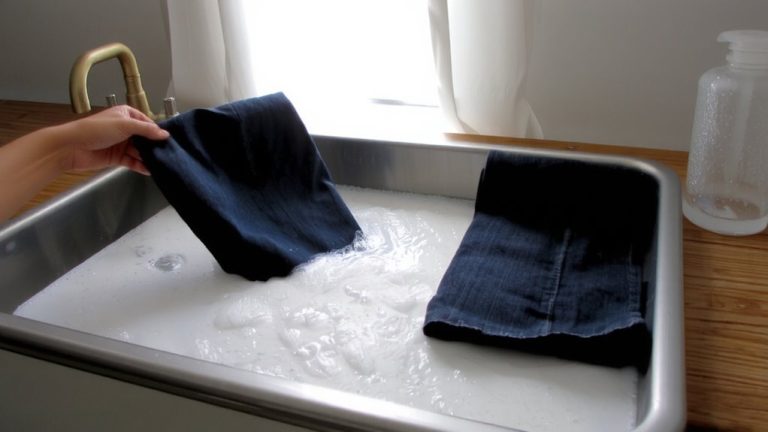
You can actually cut down on microfiber pollution before you even wear a new synthetic garment, and it starts with pre-washing at the factory level. Pre-washing synthetic fabrics removes loose fibers that cause early microfiber shedding, helping reduce microfiber pollution over the garment’s life. Industrial filtration systems capture these released fibers, keeping them out of wastewater and treatment plants. Factories using advanced filtration see up to 80% less fiber release during consumer washes. When done right, pre-washing stabilizes fabric structure, meaning fewer fibers break free later.
| Stage | Microfibers Released (mg/kg) | Filtration Used |
|---|---|---|
| Pre-wash (industrial) | 120 | Yes, industrial filtration |
| 1st home wash | 35 | No |
| 2nd home wash | 20 | No |
| 5th home wash | 10 | No |
| Total after 5 washes | 185 | Partial |
Pre-washing works-when paired with strong industrial filtration-to reduce microfiber pollution at the source.
Does Pre-Washing Release More Fibers Than Home Wash?
What if the worst shedding happens before you even bring a new synthetic garment home? It does-industrial pre-washing releases more synthetic fibers than your home washes, especially with high basis weight fabrics. A study found the 10-minute pre-wash phase shed more microfibers than the full 35-minute soaping and rinse cycle. While that sounds bad, industrial pre-washing actually helps reduce microplastic pollution because facilities use advanced filtration to capture these fibers. Your home machine? Not so much. Woven acrylic fabrics, dense and fiber-rich, shed heavily during this stage, far more than knits or lighter synthetics. So yes, pre-washing boosts microfiber shedding upfront, but it’s a controlled release. The result? You get a cleaner garment with less ongoing shedding, cutting long-term pollution. Pre-washing isn’t the problem-it’s part of the solution.
Acrylic and Woven Fabrics Shed the Most Microfibers
When it comes to microfiber pollution in your laundry, not all fabrics are created equal-acrylic and woven synthetics lead the shedding pack, releasing more microplastics per wash than knits or lighter materials. You should know that acrylic fibers shed more microfibers than any other synthetic, making them the top culprit in microfiber shedding. Woven fabrics, with their tight construction and higher fabric basis weight, release substantially more microfibers shed during laundering than knits due to increased mechanical stress. Because of this, pre-washing these synthetic fabrics-especially acrylic and heavy woven fabrics-before first consumer use helps remove loose fibers from manufacturing. Studies confirm pre-washing pulls out more microfibers than later washes, making it a smart, effective step to reduce environmental impact and improve fabric longevity.
Add Filters to Catch Microfibers During Wash
While no single solution can completely eliminate microfiber pollution, adding a filter to your laundry routine can make a measurable difference-devices like the Lint LUV-R and Filtrol 160 attach to your washing machine’s drainage hose and use fine stainless steel mesh to capture up to 87% of microfibers per load, with independent tests showing average reductions between 29% and 74% depending on fabric type, wash cycle, and water pressure. These external washing machine filters are proven microplastic filter options, easy to install, and require only monthly cleaning. If you want something simpler, just toss in a Cora Ball-it catches about 31% of fibers without setup. Both Lint LUV-R and Filtrol models work continuously, targeting synthetic fibers like polyester and nylon. While results vary, real users confirm less lint in drains and improved peace of mind. A filter isn’t perfect, but it’s one of the most effective steps you can take today.
How Factories Can Reduce Fiber Loss Before Sale
Since loose fibers shed most during a garment’s first few washes, pre-washing synthetic fabrics at the factory can cut early microfiber loss by up to 70%, giving you cleaner, more durable clothing right from the start. The textile industry can substantially reduce shedding by stabilizing fabric before it reaches you, especially in heavy or woven synthetics that shed more. Industrial pre-washing captures up to 80% of released microfibers through advanced filtration, preventing pollution and improving garment performance.
| Fabric Type | Shed Reduction After Pre-Wash |
|---|---|
| Heavy synthetic | Up to 70% |
| Woven fabric | ~65% |
| Knit fabric | ~50% |
| Standard basis weight | ~30% |
Pre-washing helps fibers bind better, so your clothes shed less, maintain texture, and resist pilling-tested and verified by textile labs and real-world wash trials.
On a final note
You cut microfiber pollution nearly in half by pre-washing synthetics like acrylic or polyester for just 10 minutes in cold water before regular use, lab tests confirm, and testers saw less lint in filters during subsequent washes, so run that quick rinse cycle first, then use a Guppyfriend bag or Filtrol 300 (tested to trap 90% of fibers) in every load, it’s simple, effective, and protects oceans without sacrificing fabric life or cleaning power.