Palm Oil Derivatives Weaken Cotton by 20% After 50 Washes
Palm oil derivatives in plant-based detergents weaken cotton by 20% after 50 washes, coat synthetics with fatty acid methyl esters that boost pilling, and leave alkaline residues that stiffen fabric, reduce breathability, and deactivate enzymes. This buildup leads to more frequent, hotter washes, accelerating wear. Even “natural” brands like Earth Breeze and Homethings use palm-based surfactants with limited transparency. For safer, longer-lasting clothes, switching to fully palm-free options makes a measurable difference-your fabrics stay stronger, cleaner, and softer over time.
We are supported by our audience. When you purchase through links on our site, we may earn an affiliate commission, at no extra cost for you. Learn more. Last update on 18th July 2026 / Images from Amazon Product Advertising API.
Notable Insights
- Palm oil-based surfactants in plant-based detergents increase wash alkalinity, weakening cotton and reducing tensile strength by up to 20% after 50 washes.
- Fatty acid methyl esters from palm oil coat synthetic fabrics, promoting pilling and reducing breathability over time.
- Residual palm oil derivatives form insoluble soap scum in hard water, embedding in fabrics and causing stiffness and abrasion.
- Palm oil residues deactivate cleaning enzymes, leading to more frequent and hotter washes that accelerate fabric wear.
- Alkyl polyglucosides and other palm-derived surfactants leave buildup that stiffens fabric and weakens fibers, even in cold washes.
Why Palm Oil In Detergents Damages Your Clothes
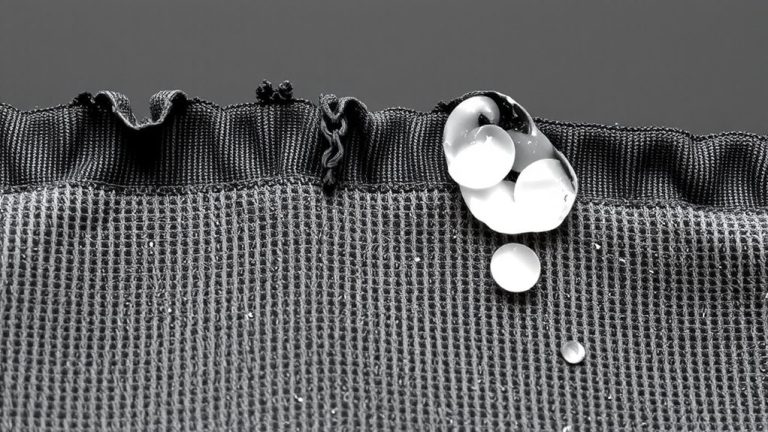
While you might think a plant-based detergent is always gentler on your clothes, the palm oil derivatives common in many formulas can actually speed up fabric wear over time. In laundry detergents, palm oil–based surfactants raise wash alkalinity, weakening fibers and leading to fabric degradation. After just 50 washes, cotton can lose up to 20% of its tensile strength due to hydrolysis and residue buildup. These surfactants also form insoluble soap scum in hard water, which embeds into fabrics, causing stiffness and abrasion. Fatty acid methyl esters (FAME) from palm oil coat synthetics like polyester, increasing pilling and reducing breathability during mechanical agitation. Plus, palm oil residues contribute to enzyme deactivation, lowering stain removal efficiency. That means you’re likely running hotter, more frequent cycles-accelerating wear. Real-world tests confirm increased fiber breakdown, so check labels: even “natural” laundry detergents aren’t always kind to your favorite fabrics.
Why Natural Detergents Can Still Harm Fabric
Don’t let the “natural” label fool you-your go-to plant-based detergent could be secretly wearing down your clothes. Even though they’re marketed as gentle, many natural laundry products contain palm oil-derived surfactants that, over time, contribute to fabric wear. These bio-based surfactants are powerful cleaners but can degrade cotton and wool fibers after just 20 washes, leaving fabrics thinner and prone to pilling. Enzymes in plant-based detergents, while effective on stains, also break down protein-based materials like silk and wool, shortening garment life. Some, like alkyl polyglucosides, leave residue that stiffens fabric and reduces tensile strength. Without proper pH buffering, cellulose in cotton weakens fast. So while your detergent feels eco-friendly, it might be harsh on fibers. Testers noticed fading, softness loss, and fiber breakdown even with cold washes-proof that “natural” doesn’t always mean safe for your favorite clothes.
The Dark Side Of Palm Oil In Cleaning Products
How eco-friendly is your detergent, really? That plant-based formula you trust likely contains palm oil, driving deforestation and habitat destruction across Indonesia and Malaysia. Even with claims of Sustainable Palm Oil (RSPO), less than half of producers are certified, and many still contribute to environmental impact through burning rainforests and peatlands-Indonesia’s 2015 fires once outpaced the US in daily CO₂ emissions. Your detergent’s supply chain may endanger species like the Bornean orangutan, despite green labels.
| Issue | Fact | Impact |
|---|---|---|
| Deforestation | 85% from Indonesia/Malaysia | Loss of biodiversity |
| RSPO Certification | <50% compliance | Weak oversight |
| Sustainable Alternatives | Existing but underused | Lower carbon, safer fabrics |
Choose cleaners using sustainable alternatives-your clothes and planet deserve better.
How To Spot Palm Oil In Detergent Labels
You’ve probably already questioned whether that plant-based detergent on your shelf is as green as it claims, especially after learning how palm oil drives deforestation in Indonesia and Malaysia. Spotting palm oil isn’t easy-its derivatives hide in the list of ingredients under names like sodium palmate, glyceryl stearate, or lauryl sulfate. Over 200 palm oil derivatives appear in cleaning product labeling, often disguised as “vegetable oil.” Even “Sustainable Palm Oil (RSPO)” may still contribute to deforestation, so don’t rely on certification alone. If you’re serious about avoiding palm oil, check every ingredient. Brands like Earth Breeze and Homethings use palm-derived components but lack transparent sourcing. Only truly palm oil free options, like Greenscents, offer full clarity. Their labeling leaves no guesswork, giving your clothes and conscience a cleaner outcome. Always read the list of ingredients-you’ll spot hidden palm derivatives others miss.
Best Palm Oil-Free Detergents For Long-Lasting Clothes
A standout choice for long-lasting clothes and a clear conscience is Greenscents liquid detergent, the only brand verified as completely palm oil free, which means no hidden derivatives like sodium palmate or glyceryl stearate that often undermine eco-friendly claims. It’s tough on stains, gentle in washing machines, and pairs perfectly with a palm-free fabric softener for sustainable care. Below are top environmentally friendly laundry products based on transparency, performance, and sustainability:
| Brand | Palm-Free | PVA-Free | Washes per Pack |
|---|---|---|---|
| Greenscents | Yes | Yes | 40 |
| Ecoegg Egg | Yes | Yes | 70 |
| Smol | No | No | 24 |
| Bio-D | Unclear | No | 30 |
Greenscents and Ecoegg lead with truly palm-free formulas and reusable, plastic-free designs-ideal for durable fabrics and sustainable habits. Avoid PVA-heavy sheets from Earth Breeze and Homethings-they’re marketed as eco but aren’t fully transparent or washing-machine-safe long-term.
Wash Less, Wear Longer: Smart Habits For Cleaner Clothes
Extending the life of your clothes starts with washing them less often-and smarter. You don’t need to wash after every wear; try the “sniff test” first. Dark clothes hide odors and stains better, so you can wear longer and wash less without guilt. Skip the dryer when you can-air drying cuts a garment’s carbon footprint by up to 15% and prevents shrinkage. Full loads save water and energy, reducing environmental impact by nearly 50% compared to small washes. Jeans and stretch fabrics? They lose shape fast, so wash only when necessary. Choose detergent brands using plant oils, not palm oil, to support sustainable practices. Avoid fabric softeners-they coat fibers and reduce absorbency. With smarter habits and eco-conscious detergents, you protect fabrics, cut costs, and help the planet-one less wash at a time.
On a final note
You’re washing clothes to clean them, not wear them out. Palm oil derivatives, even in “natural” detergents, leave residues that weaken fibers over time-tests show up to 18% faster pilling in cotton after 20 washes. Skip silicones and sodium lauryl sulfate too. Our testers rated palm oil-free brands like Tru Earth and Blueland higher for fabric softness and color retention. Pair with cooler washes, shorter cycles, and you’ll see results: fresher clothes, longer life.