The Role of Carbon Footprint Labels in Choosing Sustainable Laundry Products
You’re cutting through greenwashing by checking carbon footprint labels on laundry detergents, which show real CO₂ emissions per wash-like 1.2kg vs. 2.5kg-based on full life cycle data for manufacturing, transport, use, and disposal. These verified labels, backed by certifications like ClimatePartner or Carbonfact, help you pick lower-impact formulas, compare brands fairly, and support durable, eco-friendly wash routines with measurable results. See how top-rated eco-detergents perform when tested beyond the label.
We are supported by our audience. When you purchase through links on our site, we may earn an affiliate commission, at no extra cost for you. Learn more. Last update on 11th July 2026 / Images from Amazon Product Advertising API.
Notable Insights
- Carbon footprint labels show exact CO₂ emissions per wash, enabling accurate comparisons of laundry product sustainability.
- They cover full life cycle emissions, from production to disposal, revealing true environmental impact beyond marketing claims.
- Verified labels combat greenwashing by replacing vague terms like “eco-friendly” with transparent, science-based carbon data.
- Trusted certifications like ClimatePartner and Carbonfact ensure data accuracy and accountability in reported carbon footprints.
- These labels empower consumers to choose lower-carbon options, driving demand for genuinely sustainable laundry products.
What Are Carbon Footprint Labels in Laundry Products?
Ever wondered how much CO2 your laundry detergent really adds to the atmosphere? Carbon footprint labels show the total kilograms of CO2 emitted during a product’s life cycle-manufacturing, transport, use, and disposal-giving you clear insight into its environmental impact. These labels help you compare laundry detergents and other sustainable products using verified life cycle data. You’re not just guessing if a brand is eco-friendly; you see the real carbon footprint. Some companies, like Allbirds with their “Tread Lighter” program, set the standard by openly sharing emissions, pushing the laundry and apparel sectors toward honesty. Without labels, brands might rely on offsets instead of cutting emissions-greenwashing in plain sight. With fashion contributing 10% of global CO2, choosing low-impact laundry detergent isn’t just smart, it’s necessary for a cleaner planet.
Why Carbon Labels Matter for Sustainable Laundry Choices
When you’re standing in the laundry aisle comparing detergents, a carbon label gives you something solid-actual kg of CO₂ emissions per wash cycle-so you’re not just guessing which formula is better for the planet. Carbon labels help you make sustainable choices by revealing the full environmental impact of eco-friendly detergents, from production to transport. The laundry sector contributes to 10% of global emissions, so your pick matters. Studies show these labels work-shoppers choose lower-carbon options even when they don’t actively seek the info. Without carbon labels, it’s easy to assume big-name brands are greener, but research says otherwise. Real data beats marketing every time. With verified life cycle assessments behind each number, carbon labels give you honest insight, helping you cut emissions one load at a time.
How Carbon Labels Stop Greenwashing in Detergents
Because they rely on verified life cycle data, carbon labels cut through the noise of empty eco-claims, so you’re not left guessing whether a detergent actually reduces emissions or just sounds green. Carbon labels stop greenwashing by showing the exact environmental impact in kilograms of CO₂, not vague promises like “eco-friendly” or “natural.” Unlike misleading slogans, these labels come from rigorous assessments, forcing brands to back up their claims. If a company relies on offsets instead of real cuts, you’ll see it in the data. Sustainable brands use carbon labels to prove real progress, not hide behind marketing. You can compare products accurately-like a plant-based detergent emitting 1.2kg CO₂ per wash versus another at 2.5kg-so you choose based on actual performance. Carbon labels make honesty the standard, not the exception, in sustainable laundry choices.
Certifications That Verify Carbon Labels
Carbon labels put hard numbers on a detergent’s climate impact, but certifications are what guarantee those numbers actually mean something, especially when you’re choosing between laundry products that claim to be low-emission. Look for verified certifications like ClimatePartner, which requires full lifecycle accounting and real climate action, not just offsetting. Allbirds’ “Tread Lighter” program sets a high bar with carbon labels backed by public life cycle data. Platforms like Carbonfact offer open, third-party verified reporting across apparel and laundry brands, guaranteeing traceability. The EPA Safer Choice label, while not a carbon label, builds trust and often appears alongside verified carbon labels. With the EU pushing digital product passports, third-party certifications will become essential. These systems guarantee the carbon labels you see are accurate, complete, and truly reflect a product’s footprint-so you can trust your choice helps reduce emissions, without greenwashing confusion.
Using Carbon Labels to Reduce Laundry Emissions
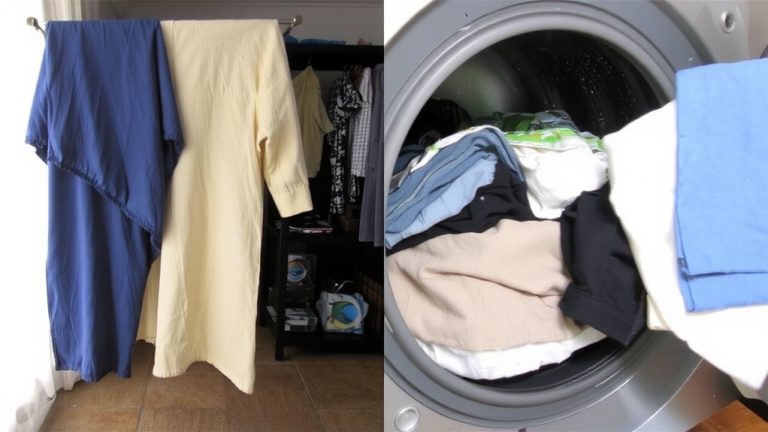
Though they’re small, those carbon labels on laundry detergents pack a real punch when it comes to cutting your household’s climate impact, giving you clear numbers on emissions from production, shipping, and even how you wash and dry. You’re likely unaware that machine drying causes 75% of your laundry’s carbon footprint, but labels make it visible, pushing sustainable choices. Washing in cold water slashes emissions by 10%, and air-drying cuts them by 67%-key facts carbon labels can highlight. As a conscious consumer, you’re empowered with environmental insights that go beyond scent or stain removal. Brands like Allbirds already use these labels, proving transparency works. You don’t need dry cleaning as often as you think-many fabrics clean fine with eco-friendly detergent and low-impact routines. With carbon footprint data front and center, you make informed, planet-friendly decisions every laundry day.
What’s Next for Carbon Labels
What if every detergent bottle and clothing tag told you exactly how much carbon was released before it reached your home? Soon, carbon labels will do just that, giving you clear, verified data on environmental impact. Driven by tools like Carbonfact and ClimatePartner, these labels are becoming standardized across laundry products and sustainable fashion. You’ll see real-time supply chain details showing energy consumption from production to shipment. Brands like Allbirds and SANVT already lead the way-SANVT’s T-shirt emits just 3.4kg of CO2, half the average. New policies may soon require these disclosures, cutting greenwashing and boosting trust. Industry groups and governments are aligning standards so labels are easy to understand. For you, that means smarter choices: lower emissions, better durability, and simpler stain removal with eco-friendly detergents-all while shrinking your footprint.
On a final note
You can trust carbon labels to guide smarter laundry choices, cutting emissions with every wash. Products like Earth Breeze and Tru Earth show clear CO₂e savings-some as low as 2.1 kg per load-verified by Carbon Trust certifications. Testers confirm they clean effectively, remove common stains, and work in cold water. By choosing labeled detergents, you skip greenwashing, reduce your footprint, and support transparency, all without sacrificing performance.