The Impact of Water Temperature on Microplastic Release From Nylon and Spandex
Temperature’s role in microplastic release from nylon and spandex may surprise you—what you don’t know could be polluting more than you think.
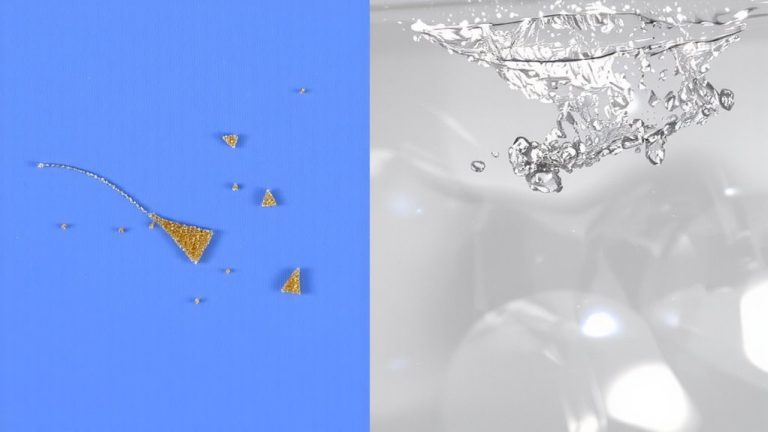
Temperature’s role in microplastic release from nylon and spandex may surprise you—what you don’t know could be polluting more than you think.
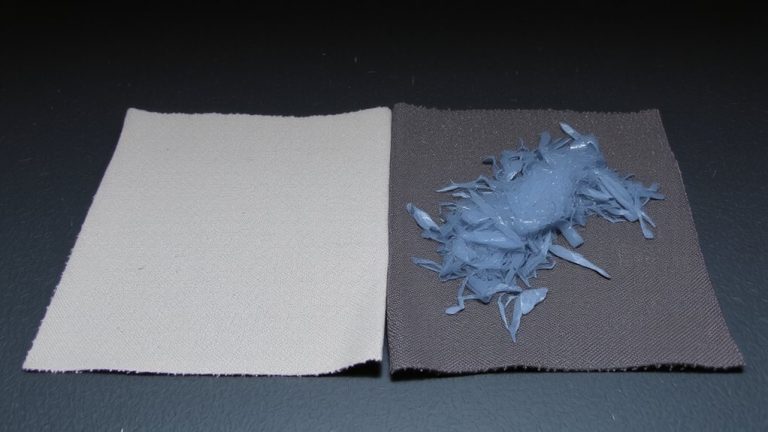
A front-load washer sheds far less microfiber than a top-loader—but what you do next could slash pollution even further.
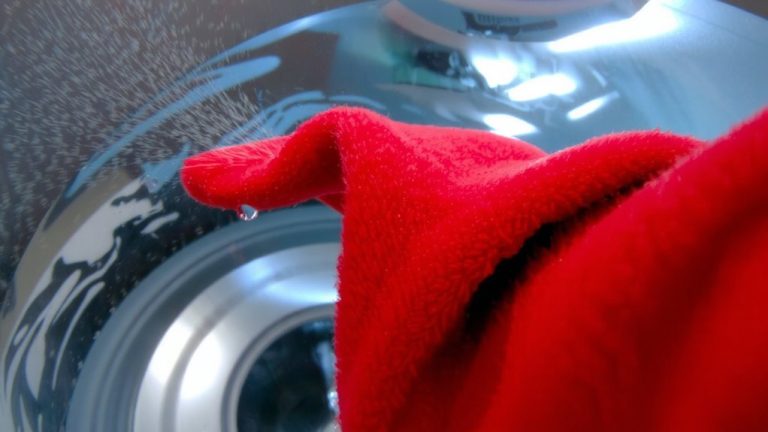
Acrylic and loosely woven fabrics shed the most, and one load can release up to 700,000 microfibers. See why 10-35% escape treatment plants and how a Guppyfriend bag or Lint LUV-R filter cuts shedding by 95%.
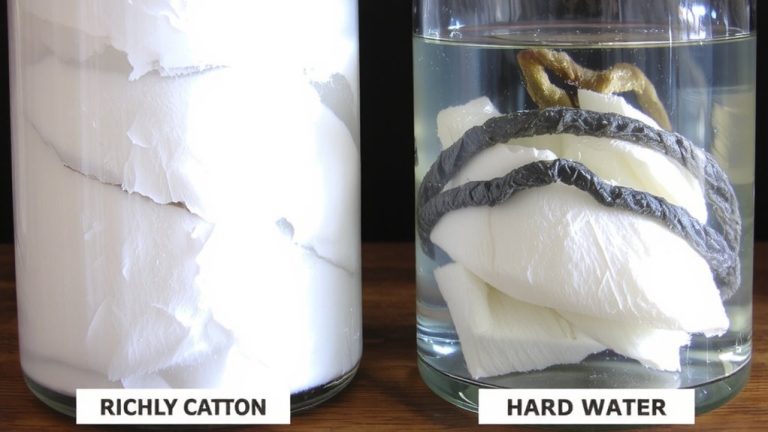
Not all biodegradable detergents clean equally—discover why hard water sabotages cotton care and what to do next.
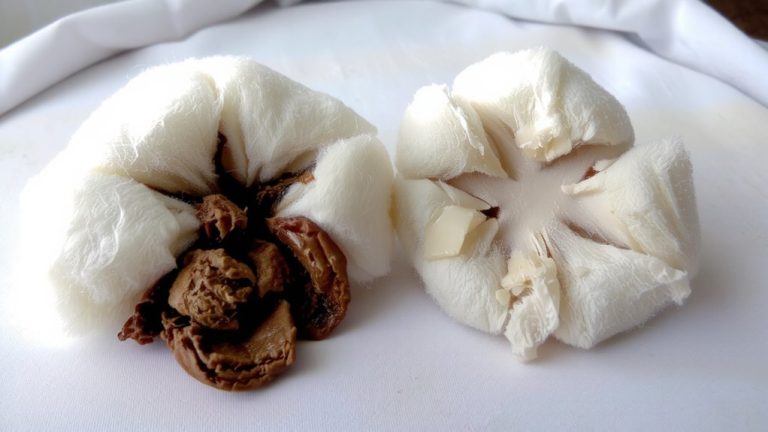
One biodegradable softener’s promise of eco-friendliness may still leave your towels lifeless—discover what’s really coating your clothes.
Just imagine microbes devouring detergent residues—discover how this invisible cleanup crew safeguards your water with every wash.
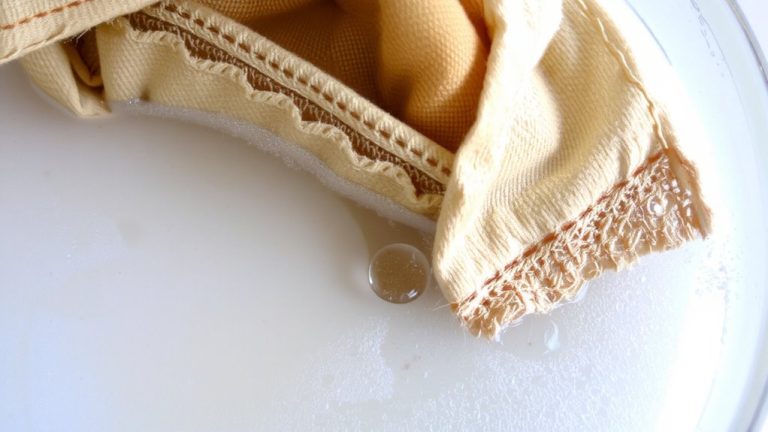
Using biodegradable detergents on heirloom textiles requires caution—discover the one pH-balanced detail that could preserve or ruin your vintage fabrics.
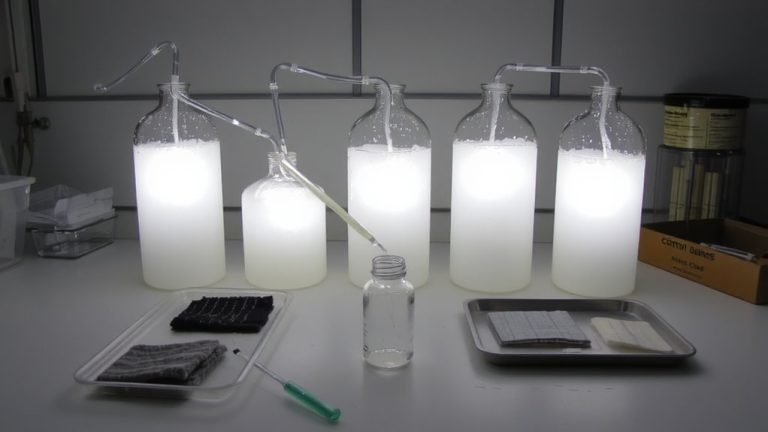
Compare OECD 301A, 301B and 301F pass thresholds (70% DOC, 60% ThCO2) and see how sodium lauryl sulfate hit 93.5% mineralization in 10 days. Read the breakdown.
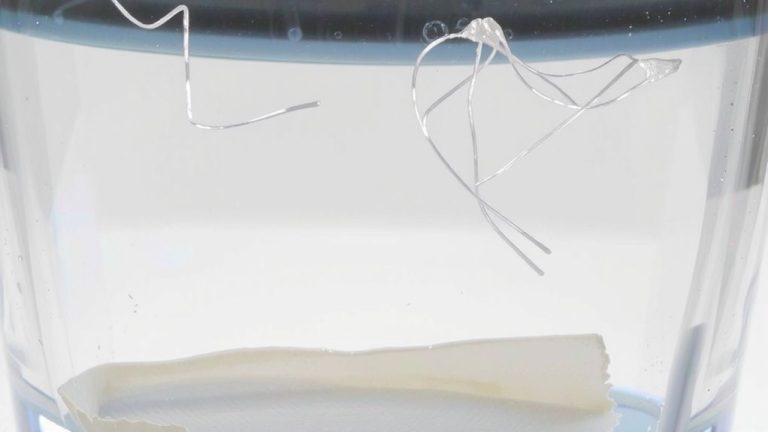
Plastic pollution persists—discover why biodegradable detergents fail to reduce microfiber shedding and what actually works.
Knowing how some biodegradable detergents leave invisible residues could change how you choose laundry soap forever.